Flu Crisis Deepens: 30 US States Hit 'Very High' Activity as New Variant Spreads
30 US States in Worst Tier for Flu Activity

Health authorities in the United States are sounding the alarm as the nation grapples with an intensifying and severe influenza season. Fresh data from the US Centers for Disease Control and Prevention (CDC) reveals that thirty states are now reporting 'very high' levels of flu activity, marking a significant and worrying escalation.

A Season Surpassing Last Year's Harsh Epidemic

The latest government figures, covering the week up to Christmas, indicate that by several key measures, this winter's flu outbreak has already overtaken the harsh epidemic of the 2024-2025 season. That previous season was one of the most severe in recent memory. The surge accelerated over the holiday period, with 45 states reporting high or very high activity in the Christmas week, a sharp rise from 30 states just one week earlier.

While COVID-19 infections are also on the rise according to separate federal data, they remain less prevalent than influenza at this time. The CDC estimates that this flu season has already resulted in a staggering 11 million illnesses, 120,000 hospitalisations, and 5,000 deaths.

The Threat of a Mismatched Virus Variant

Public health experts suggest the specific type of flu virus circulating is a major driver of the high numbers. The A(H3N2) strain, known for causing the most hospitalisations and deaths among older individuals, is the most frequently reported type so far this season. An even greater concern has emerged from laboratory analysis: more than 90% of the H3N2 samples tested belong to a new version called the subclade K variant.

Critically, this predominant subclade K variant is antigenically different from the H3N2 strain included in this year's flu vaccines, creating a concerning mismatch. It is too early to predict the full impact of this discrepancy, as flu seasons typically peak in January or February.

The symptoms of influenza, which often appear suddenly, include:

  • Fever, chills, or feeling feverish
  • Cough and sore throat
  • Runny or stuffy nose
  • Muscle or body aches and headaches
  • Fatigue and tiredness
  • Vomiting and diarrhoea (more common in children)

Pediatric Concerns and Ongoing Risks

The severity of the situation is further highlighted by its impact on children. The percentage of emergency department visits for flu-like illness among children has already exceeded the peak seen during the entire previous season. Tragically, nine paediatric flu deaths have been reported so far this season. This follows the devastating 2024-2025 season, which saw 288 child flu deaths—the highest recorded in a regular US flu season.

The states currently reporting 'very high' flu activity are:

Alabama, Alaska, Arkansas, Colorado, Connecticut, Florida, Georgia, Idaho, Indiana, Kansas, Kentucky, Louisiana, Maine, Massachusetts, Michigan, Minnesota, Missouri, Nebraska, New Hampshire, New Jersey, New Mexico, New York, North Carolina, North Dakota, Ohio, Rhode Island, South Carolina, Tennessee, Texas, and Virginia.

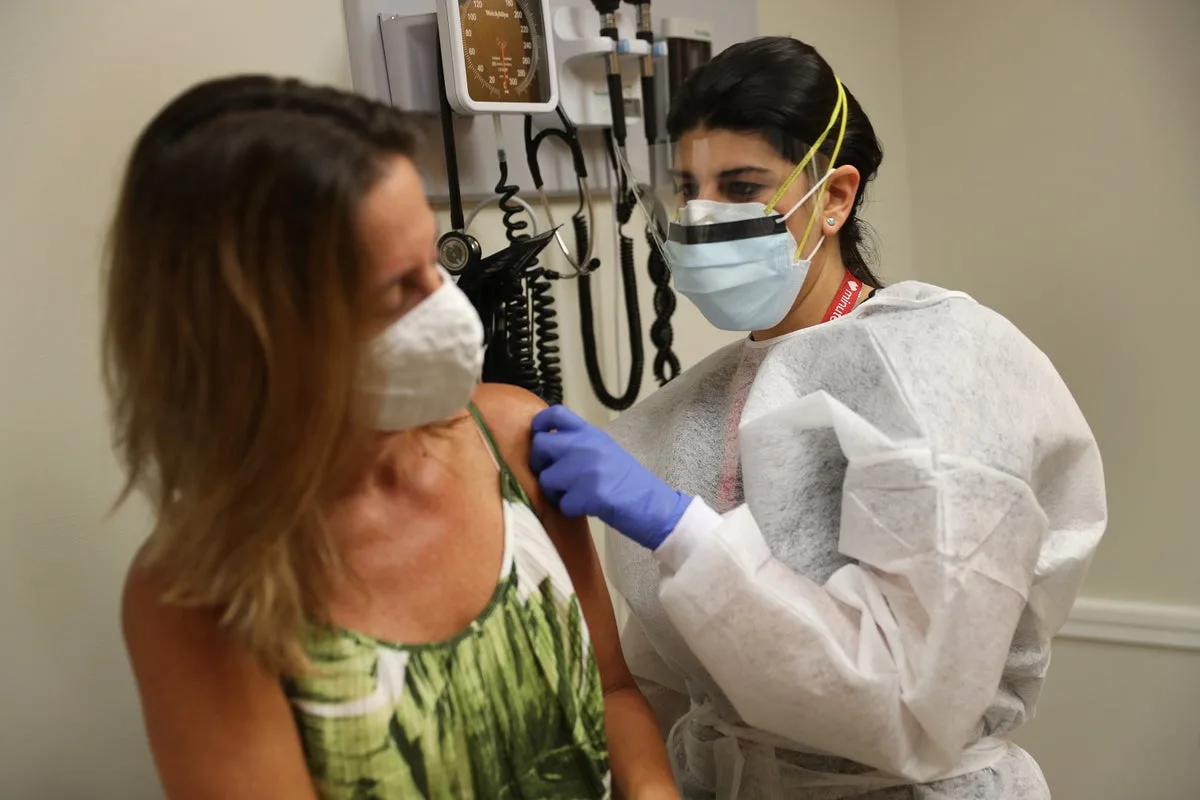
With the season far from over, the CDC continues to strongly recommend that everyone aged six months and older who has not yet been vaccinated should receive their annual influenza shot. Vaccination remains the best defence against severe illness, even with the current strain mismatch.