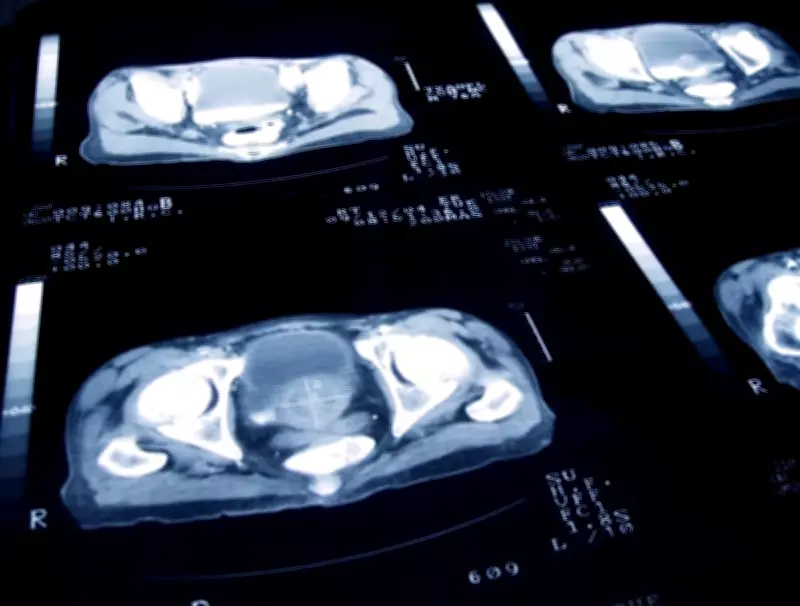
Groundbreaking research from the World Health Organisation and its International Agency for Research on Cancer has unveiled a stark reality: a significant proportion of cancer cases worldwide could have been avoided. The study, published in early 2026, estimates that out of 18.7 million new cancer cases diagnosed globally in 2022, a staggering 7.1 million were preventable. This represents a major public health challenge, highlighting the urgent need for targeted interventions.
Global Analysis of Preventable Cancer Causes
The comprehensive analysis examined 30 distinct risk factors, identifying smoking, infections, and alcohol consumption as the primary drivers of the global preventable cancer burden. These factors collectively account for the majority of cases that could have been mitigated through lifestyle changes or public health measures. The findings underscore the critical role of environmental and behavioural influences in cancer development, beyond genetic predispositions.
UK-Specific Insights and Statistics
In the United Kingdom, the impact of preventable factors is particularly pronounced. The research reveals that over 148,000 new cancer cases in 2022, which equates to 32.6 per cent of the total, were attributed to avoidable risks. Leading the list is tobacco smoking, responsible for 16.2 per cent of UK cancer cases, making it the foremost cause. This is followed by excess body fat at 4.2 per cent and ultraviolet radiation at 3.6 per cent, highlighting diverse areas for public health focus.

Expert Commentary and Policy Recommendations
Dr Andre Ilbawi of the WHO emphasised the importance of shifting the narrative from individual blame to systemic solutions. He stressed that effective prevention strategies should concentrate on risk reduction through policy initiatives, such as tobacco control, obesity management programmes, and sun safety campaigns. By addressing these modifiable factors, health authorities can significantly reduce avoidable illness and mortality, improving population health outcomes.
Practical Steps for Risk Reduction
To combat these preventable causes, experts recommend a multi-faceted approach. For smoking, cessation support and stricter regulations are key. Managing body weight through balanced nutrition and regular physical activity can mitigate risks associated with excess fat. Additionally, public awareness about UV protection, including sunscreen use and avoiding excessive sun exposure, is crucial. These measures, combined with robust healthcare policies, offer a pathway to lowering cancer incidence in the UK and globally.