A top cancer surgeon has issued a stark warning that too many men remain unaware of the crucial warning signs for one of the UK's most common male cancers, leading to preventable deaths.
The Silent Killer: Why Symptoms Are Often Missed
Mr Tim Dudderidge, a consultant urological surgeon and lead for prostate cancer trials at University Hospital Southampton, stresses that prostate cancer is frequently a silent disease in its early, most treatable stages. One man dies from prostate cancer every 45 minutes in the UK, with over 12,200 fatalities annually. Despite more than 63,000 diagnoses each year, making it the second most common cancer in men, it remains widely misunderstood.
"The reason we are so keen on screening programmes is that fundamentally this is a disease that arises in its most lethal and most curable phase at a time when you don't typically have symptoms," Mr Dudderidge told the Daily Mail. Alarmingly, over 45% of men are unaware the disease can present without physical symptoms, leading to late diagnosis and a bleaker prognosis.

Know Your Risk: Who Should Get Tested and When?
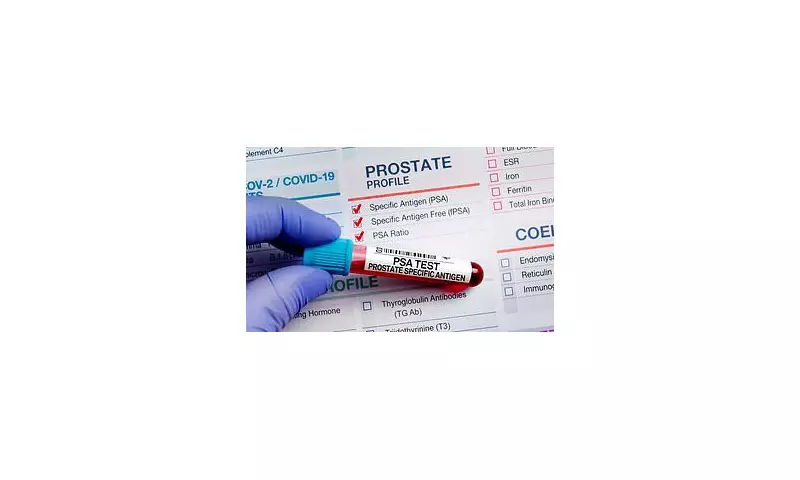
While risk increases with age, Mr Dudderidge advises all men to request a Prostate Specific Antigen (PSA) blood test from their GP upon reaching 50. However, certain groups face higher risk and should act sooner. Men of black descent are around twice as likely as white men to develop and die from prostate cancer. Those with a close family history of prostate, breast, or ovarian cancer, or who carry the BRCA1 or BRCA2 gene variants, are also at greater risk and are advised to begin testing from age 45.
Contrary to popular belief, symptoms like difficulty urinating are often linked to non-cancerous conditions like an enlarged prostate, not early-stage cancer. Signs of more advanced disease include:
- Unexplained weight loss and fatigue.
- Persistent back, bone, hip, or thigh pain or stiffness.
- A sudden onset of erectile dysfunction without clear cause.
- Blood in the semen.
"Men often ignore this if it happens only once, but it should always be checked," Mr Dudderidge emphasised.
The Screening Controversy: National Advice vs. Expert Urging
This warning comes amid a heated debate on national screening. Last week, the UK National Screening Committee (NSC) decided not to recommend a routine screening programme for all men, stating the "harms would outweigh the benefits" due to over-diagnosis of slow-growing cancers. Instead, they proposed targeted screening every two years for men aged 45-61 with known BRCA gene mutations.
This decision was met with "deep disappointment" from charities and doctors. Laura Kerby, CEO of Prostate Cancer UK, called it a "blow" to campaigners, though noted it was the first time the committee had recommended any prostate cancer screening.
Mr Dudderidge, highlighting that screening slashes the risk of dying from prostate cancer by 13%, urges men to educate themselves. "Essentially men need to make themselves aware—and if they decide they do want testing, and they can accept the downstream risks of testing—the NHS should still honour that," he said. He also mentioned private MRI scans and home testing kits as options for concerned individuals.
With over 85% of men surviving at least ten years if diagnosed early, the push for awareness is critical. "Currently, there are too many men dying of this disease and that's what keeps me going every day," Mr Dudderidge concluded.