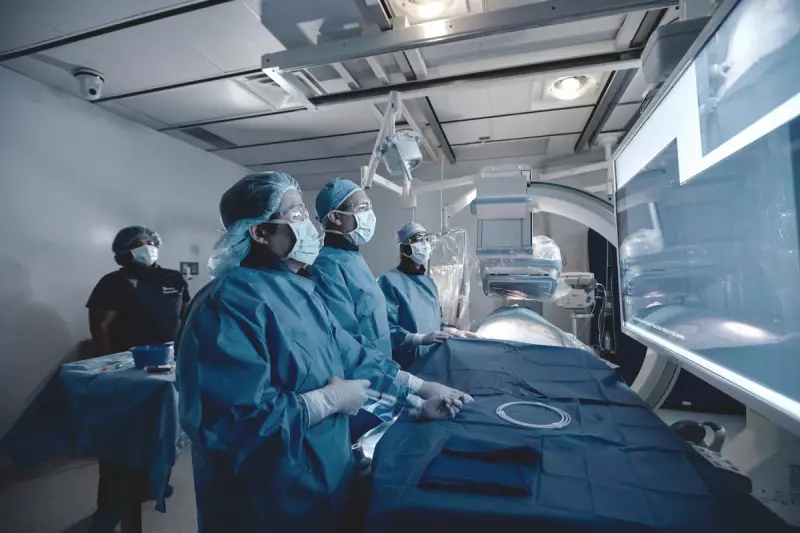
A pioneering cancer treatment that can help patients avoid major surgery has been officially recommended for use on the National Health Service. The National Institute for Health and Care Excellence (NICE) has given the green light for the Papillon treatment, a move hailed as a "great victory" for patient care.
What is the Papillon Treatment?
The Papillon technique is a specialised form of brachytherapy. It delivers low-energy X-rays directly to rectal tumours. This targeted approach means healthy surrounding tissue is spared from high radiation doses. The treatment is specifically approved for fit patients with tumours measuring 3cm or less who either choose not to undergo traditional surgery or are considered at high risk from an operation.
A key benefit of this method is its potential to allow patients to avoid surgery altogether and, crucially, the need for a stoma bag. NICE emphasised that avoiding a stoma substantially improves a patient's quality of life. The guidance also notes that people with larger tumours could become eligible for Papillon if initial treatments successfully reduce the size of their cancer.

Clinical Success and NHS Impact
The treatment was pioneered by Professor Sun Myint, a leading clinical oncologist. He celebrated the NICE decision, stating it represents a significant advance in cancer care. Clinical evidence supporting the approval is robust, showing an impressive 93 per cent organ preservation rate in relevant cases.
Beyond the direct benefit to patients, the adoption of Papillon is expected to have a positive impact on the wider NHS. By providing a non-surgical alternative for suitable candidates, it is anticipated to reduce surgical waiting lists and lower treatment costs for the health service. This decision, published on Tuesday 2 December 2025, marks a shift towards more personalised and less invasive oncology options within the UK's public healthcare system.
A New Path for Patients
This approval opens a new chapter for eligible rectal cancer patients in England and Wales. It provides a clinically effective alternative that prioritises quality of life outcomes. For many, the prospect of avoiding life-altering surgery and managing a stoma is a profound relief. The integration of Papillon into NHS treatment pathways demonstrates a continued commitment to adopting innovative technologies that meet both clinical and patient-centred goals.