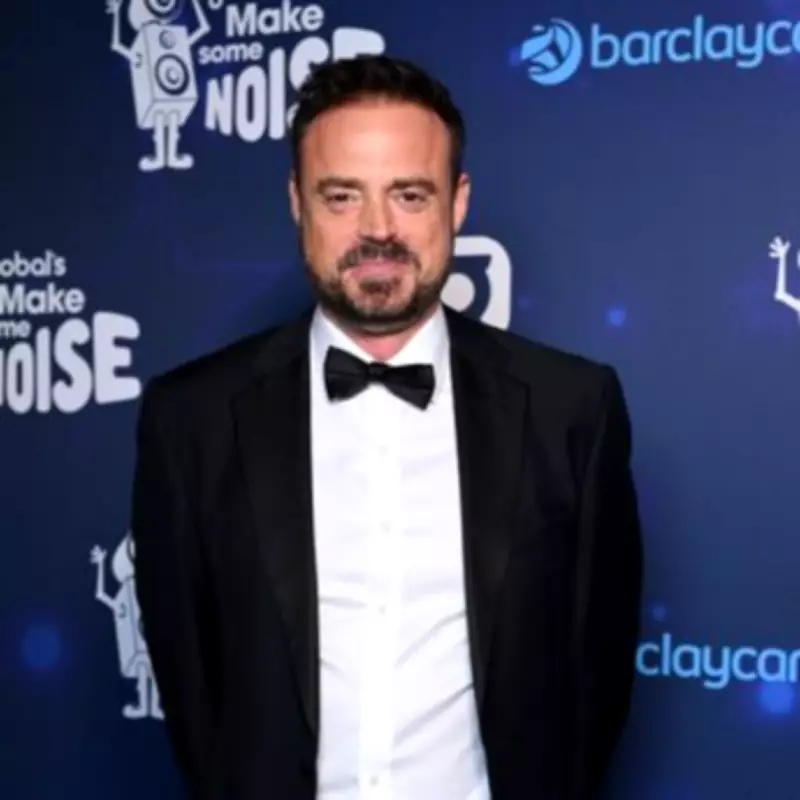
Heart Radio Breakfast presenter Jamie Theakston has delivered a poignant and personal update on his health battle, marking World Cancer Day with a powerful message about the importance of not taking wellbeing for granted. The broadcaster, who was diagnosed with stage one laryngeal cancer in August 2024, shared candid reflections on his ongoing journey during the morning show, describing the psychological toll of living with the fear of recurrence.
A Journey of Surgery and Surveillance
Jamie Theakston, aged 55, revealed that he opted for surgical intervention over chemotherapy when faced with his diagnosis. The lesion on his vocal cords was discovered after colleagues and listeners expressed concern about changes in his voice, leading him to seek medical evaluation. Following three successful surgeries, he announced he was cancer-free in January 2025 and returned to his hosting duties.
However, Theakston emphasised that his recovery is an ongoing process. "Because I had surgery, I then had to get monthly check-ups for a year," he explained. "I’m still in that cycle. In year two I now go for check-ups every two months, and so far everything is fine." This rigorous schedule of medical surveillance underscores the prolonged nature of cancer treatment even after initial success.

The Emotional Weight of 'Ringing the Bell'
During the broadcast, Theakston discussed the symbolic act of ringing a bell to mark the end of chemotherapy or radiotherapy, a tradition he has felt reluctant to participate in. "Well yeah, because it can come back," he admitted when co-host Amanda Holden described the ongoing check-ups as "scary." "There’s always that fear, so I’m almost slightly reluctant to ring it. Technically, I’m still in treatment, but I also feel like if it inspires anyone else, then we should all give it a go."
This hesitation highlights the complex emotional landscape faced by cancer survivors, where celebration can be tempered by anxiety about the future. Theakston's openness about these feelings provides a rare glimpse into the psychological challenges that accompany physical recovery.
A Personal Plea: 'Don't Wait to Live'
Drawing from his own experience and the loss of his mother to breast cancer in 2021, Theakston issued a heartfelt warning to listeners. "Stop assuming that bad things happen to other people," he urged. "Don’t wait to live." This message resonates particularly on World Cancer Day, which aims to raise global awareness about the disease and its far-reaching impacts.
Amanda Holden echoed this sentiment, encouraging the audience to seek medical advice promptly if they notice any unusual changes in their bodies. This collaborative emphasis on early detection and proactive healthcare underscores the show's commitment to public health education.
Recognising the Signs: NHS Guidance on Symptoms
While cancer symptoms vary widely depending on the type, the NHS identifies several general signs that warrant medical attention. These include:
- A new lump or swelling anywhere on the body
- Heavy sweating, particularly at night, or persistent high temperatures
- Unexplained fatigue that doesn't improve with rest
- Unusual bruising or bleeding, such as blood in urine, vomit, or stools
- Persistent or unexplained pain anywhere in the body
- Unintentional weight loss or loss of appetite
- Changes in urinary habits, including increased frequency, urgency, or pain
Medical professionals advise that anyone experiencing symptoms or changes that aren't normal for them should consult a GP without delay. If cancer is suspected, patients may receive an urgent referral for further tests or specialist assessment, potentially improving outcomes through early intervention.
Jamie Theakston's story serves as a powerful reminder of the importance of listening to one's body and seeking help when something feels amiss. His journey from diagnosis through surgery to ongoing monitoring illustrates both the advances in cancer treatment and the enduring challenges faced by survivors. By sharing his experience so openly, Theakston not only raises awareness but also offers solidarity to others navigating similar health battles, reinforcing the crucial message that timely action can save lives.