In an exclusive insight, a leading medical expert has tackled the pervasive confusion surrounding diet and cancer, settling debates on common food fears and pinpointing the critical lifestyle factor that many people dangerously underestimate.
Cutting Through the Noise on Cancer and Diet
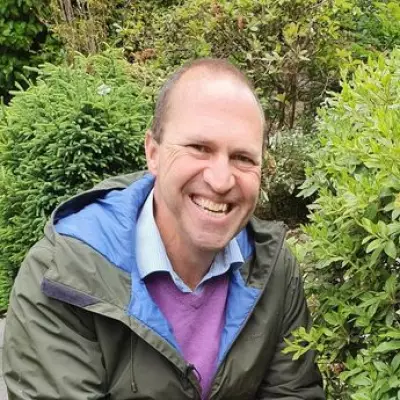
With World Cancer Day observed on February 4th, Dr Emil Gadimali, founder of the health platform CutKilo, has provided timely clarity on the complex relationship between what we eat and cancer development. The doctor, who engages hundreds of followers on Instagram, addressed widespread anxieties that often lead people to unnecessarily fear certain foods based on circulating rumours.
"People often worry that one specific food will cause cancer," said Dr Emil. "In reality, cancer risk is shaped by long-term patterns over years, not a single meal or ingredient." This perspective comes as part of a broader effort to shift public focus towards evidence-based risks rather than unsubstantiated myths.

The Foods That Are Often Blamed Unfairly
Dr Gadimali systematically addressed several common dietary scapegoats, separating fact from fiction. While there is established evidence linking regular consumption of processed meats like bacon, sausages, ham, and salami to a higher risk of bowel cancer, he emphasised that this is very different from claiming an occasional bacon sandwich is dangerous.
Regarding sugar, he stated: "Sugar doesn’t directly cause cancer, and the idea that cancer cells ‘feed on sugar’ is a myth. However, diets high in sugary foods and drinks like fizzy drinks, sweets, and pastries can contribute to weight gain, and excess weight does increase cancer risk."
Ultra-processed foods, including ready meals, packaged snacks, and takeaways, are another frequent target of concern. "Quite surprisingly, there isn’t strong evidence that ultra-processed foods directly cause cancer," Dr Emil added. "The issue is that they’re often high in fat, salt, and sugar, which can lead to obesity over time."
Other myths that people worry about unnecessarily include:
- Genetically modified (GM) foods
- Microwaved meals
- Food stored in plastic containers
- Burnt or charred foods like toast
"Despite the scare stories, good quality studies in humans haven’t shown a clear link between eating burnt food, such as charred toast, and cancer," the doctor clarified.
The Overlooked Cancer Risk That Demands Attention
According to Dr Emil, excess weight stands as one of the most significant yet underestimated cancer risks in modern society. "Being overweight and obesity are the second biggest preventable cause of cancer in the UK," he revealed, highlighting a stark public health reality.
This condition is linked to at least thirteen different cancers, including breast, bowel, liver, pancreatic, and kidney cancer, with the risk doubling in some instances. Dr Gadimali explained the biological mechanism: "Excess fat cells constantly send out signals which release extra growth hormones and sex hormones and increase levels of inflammation. This encourages cells to divide more often than normal, which increases cancer risk."
What Actually Lowers Cancer Risk?
Doctors emphasise that the most effective preventive steps are well-established and focus on holistic lifestyle habits rather than fixating on individual foods. Key recommendations include:
- Maintaining a healthy weight through balanced nutrition and regular physical activity
- Avoiding smoking entirely
- Limiting alcohol consumption to moderate levels
- Protecting your skin from excessive UV exposure
- Eating a varied diet rich in vegetables, fruit, pulses, nuts, and wholegrains
- Taking up HPV prevention options where appropriate, such as vaccination
"The bottom line is simple," continued Dr Emil. "Focus on proven cancer risks, not food myths. Consistent, long-term habits matter far more than worrying about individual foods."
It is important to acknowledge that nothing can completely eliminate cancer risk, as factors like genetics and environment also play roles. However, adopting these evidence-based lifestyle practices can substantially reduce overall vulnerability. If individuals have specific health concerns, consulting with a general practitioner for personalised advice remains crucial.

This expert guidance arrives as World Cancer Day prompts global reflection on prevention, treatment, and support, offering a clear path through the maze of dietary misinformation towards actionable health strategies.