
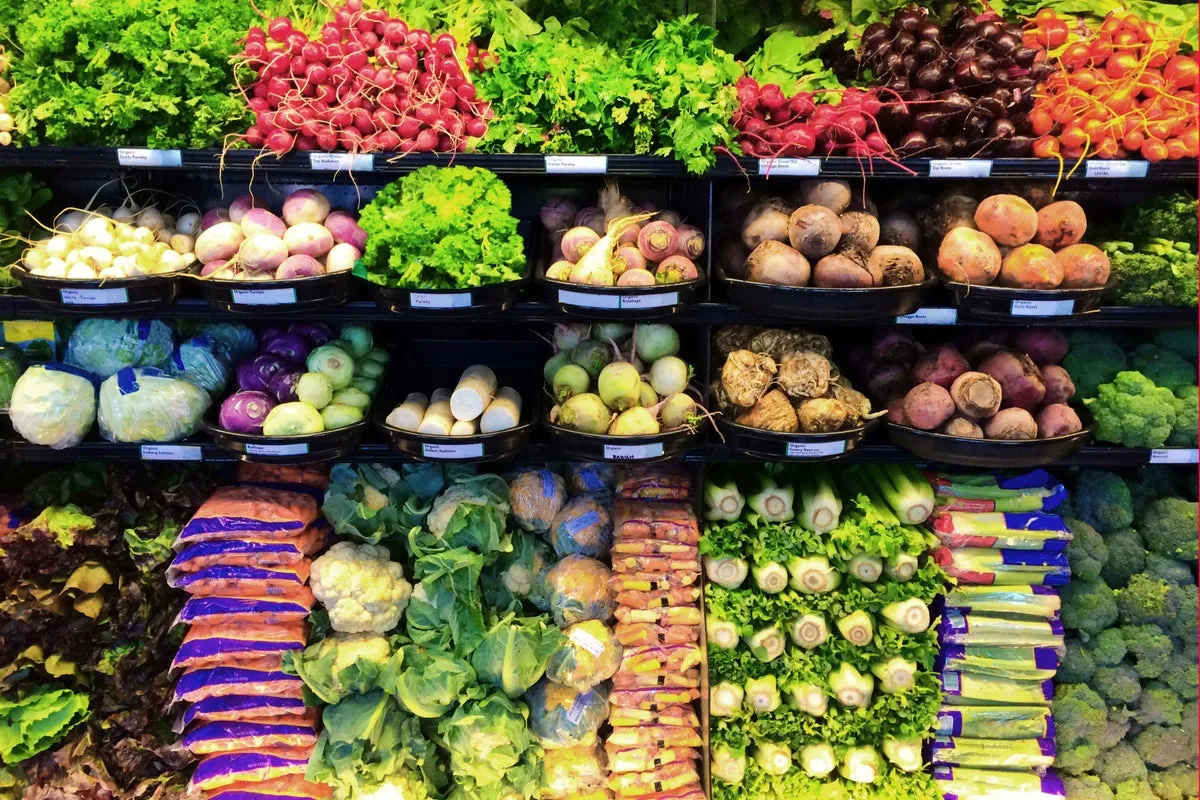
A diet rich in vegetables and probiotics, including broccoli, turmeric, and ginger, could help slow the growth of low-risk prostate cancer, according to a new study published in the European Urology Oncology journal.
Researchers from the University of Bedfordshire, Cambridge University Hospitals, and Bedford Hospital, along with collaborators in the US and Australia, recruited 212 men with low-risk prostate cancer. Half received a supplement made from broccoli, turmeric, pomegranate, green tea, ginger, and cranberry, plus a placebo; the other half received the same supplement and a specially designed probiotic containing Lactobacillus.
The team measured prostate-specific antigen (PSA) levels in the blood, a marker for prostate conditions. They found that the rate of PSA progression slowed significantly in both groups, but the reduction was significantly greater in the group receiving the probiotic. MRI scans showed that among those taking the supplement and probiotic, 85.5% had stable disease and 6.7% exhibited disease regression, compared to 82% stable disease and no regression in the supplement-only group.
Lead author Professor Robert Thomas, consultant clinical oncologist, said: 'This study shows, for the first time, that improving the balance of bacteria in the gut can slow prostate cancer activity while also improving important aspects of men’s health such as urinary symptoms, inflammation and physical strength.' The authors noted that a quarter of men reported improvements in urinary symptoms.
The researchers suggest that alongside exercise, quitting smoking, and a diet rich in omega-3, these supplements and probiotics could help men remain on active surveillance, avoiding unnecessary treatment. However, they stressed the study period was only four months and called for longer-term studies to confirm the findings.




