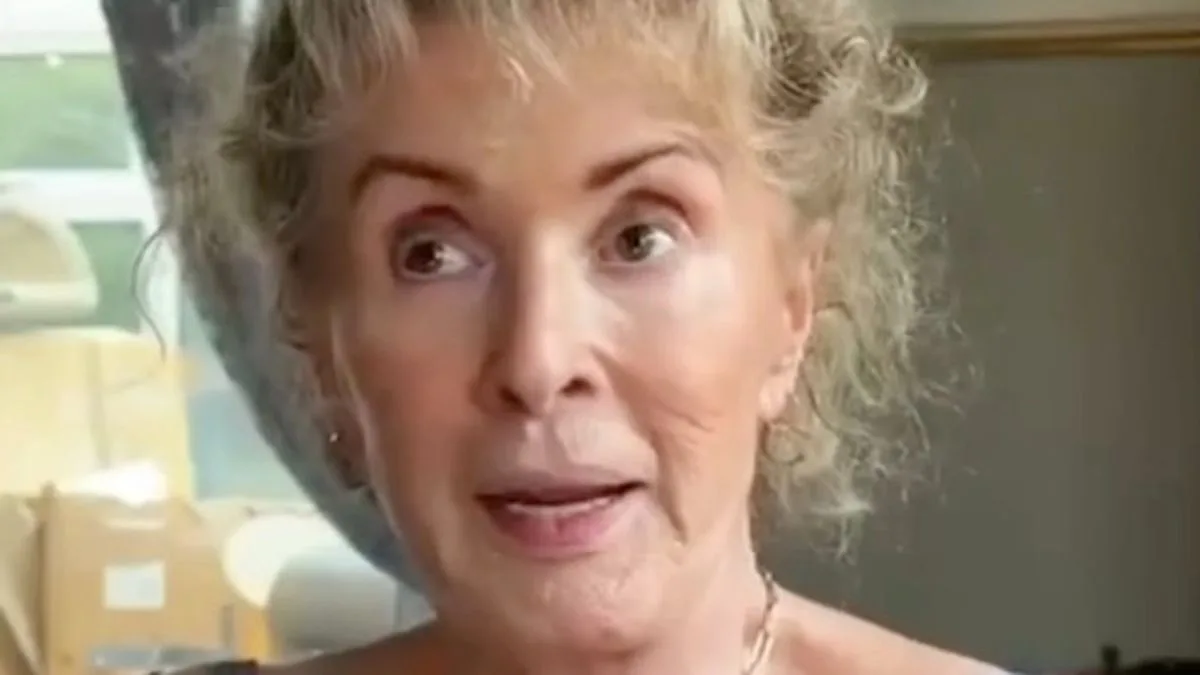
Beverley Callard has opened up about feeling sore, queasy, and deeply emotional in a heartfelt update following her recent breast cancer surgery. The Coronation Street actress, aged 68, disclosed her diagnosis earlier this month after being diagnosed just as she relocated to Dublin to begin a new role on the Irish soap Fair City.
Emotional Social Media Post
Taking to X on Friday, Beverley shared a candid clip with her followers, becoming visibly emotional as she described her recovery. She explained that it had been a week since her operation, stating, "I woke up this morning and I put on yesterday's clothes, which were dropped on the floor last night when I went to bed. I have not cleaned my teeth, I have not combed my hair. I cannot answer my phone because if someone says a kind word to me, I cry."
She added, "I am sore, I am feeling absolutely rubbish today. And I have been like that all day. I am really tired, I keep feeling a bit queasy, and I have no idea why." Beverley admitted she hesitated to post on social media the previous day, fearing she might make others feel "miserable."
Heartfelt Gift from a Stranger
During her update, Beverley showed a heart-shaped cushion and a touching card sent to her by a stranger in the post. The cushion was intended to ease pain under her arm, and she became emotional while discussing it, revealing plans to regift it after use. This gesture highlighted the support she has received during her difficult time.
Previous Surgery Update
Beverley's latest post follows an earlier update where she described crying "like a baby" after her dressings were removed for the first time on Wednesday. She refused to let her husband of 15 years, Jon McEwan, accompany her to the appointment, despite his pleas. Reflecting on the experience, she said, "I had to do that by myself. I got there. I was really nervous and I sat there in the waiting room of the breast clinic. I just looked around at the women in there. It went from all walks of life from a teenage to a little old lady. I just thought to myself, 'we are so brave. This is amazing'. Cancer touches everybody in some way."
However, when the nurse removed the dressing, Beverley felt overwhelmed, stating, "I looked down and saw myself for the first time and I just thought: 'I can't do this'." She avoided looking in the mirror and later broke down in tears with her husband, saying, "I went downstairs and out of the hospital. Jon was there waiting for me. I got in the car and cried my heart out like a baby. I wasn't strong at all then. I'd lost the whole lot."
Despite this, she found strength, adding, "I did come home and I did look at myself and I did show Jon. I did get through it in the end. If anybody else is going through that part of it now, god love you. You can do this."
Understanding Breast Cancer
Breast cancer is one of the most common cancers globally, affecting over two million women annually. In the UK, there are more than 55,000 new cases each year, with 11,500 deaths, while in the US, it strikes 266,000 and kills 40,000 annually.
What is Breast Cancer?
It originates from a cancerous cell in the lining of a duct or lobule in the breast. When it spreads into surrounding tissue, it is termed 'invasive'. Some diagnoses involve 'carcinoma in situ', where cancer cells remain confined. Most cases occur in individuals over 50, but younger women and, rarely, men can be affected. Staging indicates size and spread, with Stage 1 being early and Stage 4 involving metastasis. Cancerous cells are graded from low (slow growth) to high (fast-growing), with high-grade cancers having a higher recurrence risk.
Causes and Symptoms
The exact cause is unclear but involves genetic damage leading to uncontrolled cell multiplication. Risk factors include genetics. The primary symptom is often a painless lump, though many are benign cysts. Spread typically first occurs to lymph nodes in the armpit, causing swelling.
Diagnosis and Treatment
Diagnosis involves an initial assessment with examinations and tests like mammograms, followed by a biopsy to confirm cancer. Further tests assess spread. Treatment options include:
- Surgery: Breast-conserving or removal based on tumour size.
- Radiotherapy: Uses radiation to kill cancer cells, often combined with surgery.
- Chemotherapy: Employs anti-cancer drugs to stop cell multiplication.
- Hormone Treatments: Targets oestrogen-sensitive cancers to inhibit growth.
Treatment Success
Prognosis is best with early diagnosis and treatment, where surgical removal can offer a good chance of cure. Routine mammography for women aged 50 to 71 aids in early detection and intervention.
For more information, visit breastcancernow.org or call the free helpline on 0808 800 6000.




