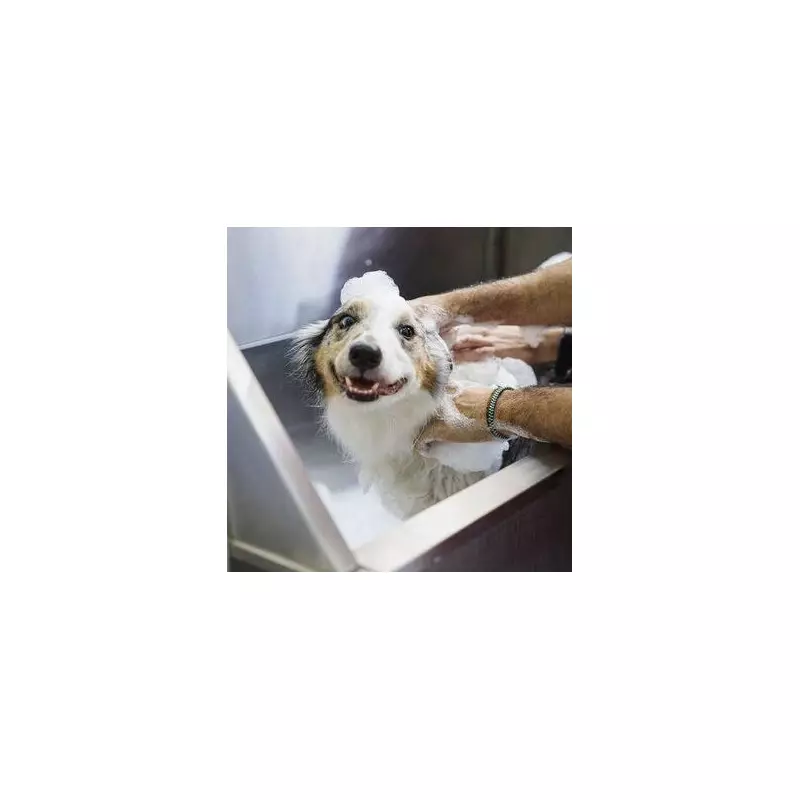
If your beloved canine companion has started emitting a distinctly fishy odour, you are not alone in noticing the unpleasant scent. According to pet specialists, this unusual smell is rarely linked to actual seafood and is more likely a red flag for underlying health problems that require attention.
The Primary Culprit: Anal Gland Issues
Experts from the fresh dog food brand Years.com point to a dog's anal glands as the most common source of the pungent, fish-like smell. These glands naturally produce a strong-smelling fluid used for marking territory and typically empty themselves when a dog defecates.
The problem arises when these glands fail to drain properly, becoming impacted or blocked. The PDSA confirms that while blockages can be occasional, some dogs are more prone to recurring issues. Those with particularly narrow gland openings, chronic soft stools, skin allergies, or those who are overweight face a higher risk.

Alyssa Ralph, a Clinical Animal Behaviourist and Canine Nutritionist at Years.com, explained the link to digestive health. "Loose stools can prevent the anal glands from naturally expressing, leading to a build-up of fluid and that classic fishy smell," she stated.
Owners should watch for key warning signs that their dog's anal glands may be obstructed, including:
- Scooting their rear along the floor.
- Excessive licking or biting at the anal area or base of the tail.
- Showing signs of pain during defecation or when the hindquarters are touched.
- Straining to pass a stool.
- Suddenly sitting down or turning to look at their rear in discomfort.
Another Potential Source: Oral Health Imbalance
The fishy odour might not always originate from the rear. A condition known as dysbiosis of the oral microbiome—an imbalance in the bacteria and microorganisms in the mouth—can also be to blame. A healthy mouth maintains a balance of good and bad bacteria, but when this is disrupted, harmful bacteria can overgrow.
"Oral microbiome imbalances and plaque can also produce a fishy odour from the 'head end'," commented Alyssa Ralph. "Brushing your dog's teeth and using supplements can help restore balance."
How to Prevent and Address the Problem
Simply washing your dog will not resolve these underlying issues. Proactive care is essential for prevention. Dog owners are advised to monitor their pet's stool consistency, avoid feeding rich or unsuitable foods, and maintain a good dental hygiene routine.
Most importantly, consulting a veterinarian is crucial if a persistent fishy smell occurs, as it may indicate a health problem needing professional treatment.
Alyssa Ralph concludes with reassuring advice for concerned owners: "With the right diet, hygiene, and attention, you can solve the mystery of fishy-smelling dogs. It's not just about smelling fresher, it's about keeping your dog healthy."