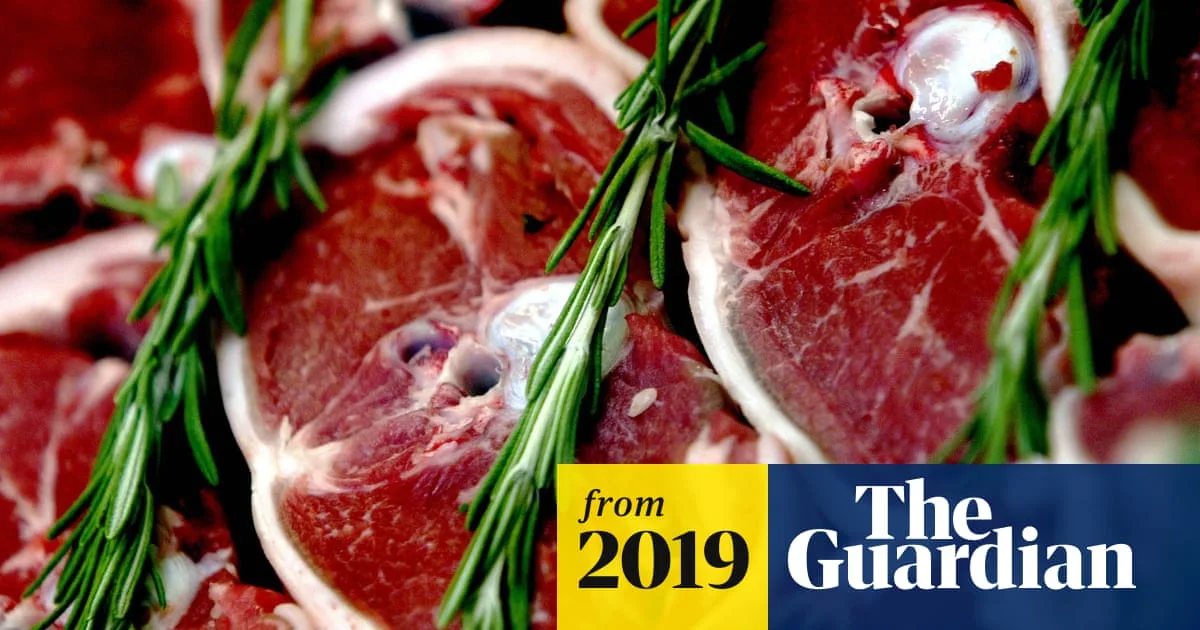
A new study claiming red and processed meat poses no significant health risk has sparked fierce debate among experts, who warn the findings could undermine public health advice. The research, led by Bradley Johnston of Dalhousie University, concluded that there is insufficient evidence to link meat consumption to cancer, diabetes, or heart disease.
The study, published in the Annals of Internal Medicine, analysed data from 12 randomised controlled trials involving about 54,000 individuals and found no statistically significant association between reduced meat intake and lower disease risk. However, critics argue the evidence is weak and that the research ignores environmental concerns and established cancer links.
Walter Willett, professor at Harvard TH Chan School of Public Health, called the study "the most egregious abuse of evidence that I have ever seen," noting that replacing red meat with healthy protein sources can reduce disease risk similarly to cholesterol-lowering drugs. The World Cancer Research Fund also rejected the findings, urging the public to follow current recommendations of no more than three portions of red meat per week and avoiding processed meat.

While some scientists acknowledged the study's thorough methodology, they cautioned against dismissing potential harms. Gunter Kuhnle of the University of Reading said the weak evidence of risk should not be ignored, and that small dietary changes like a high-fibre diet can mitigate effects. Public Health England continues to advise limiting red and processed meat intake to reduce cancer risk.