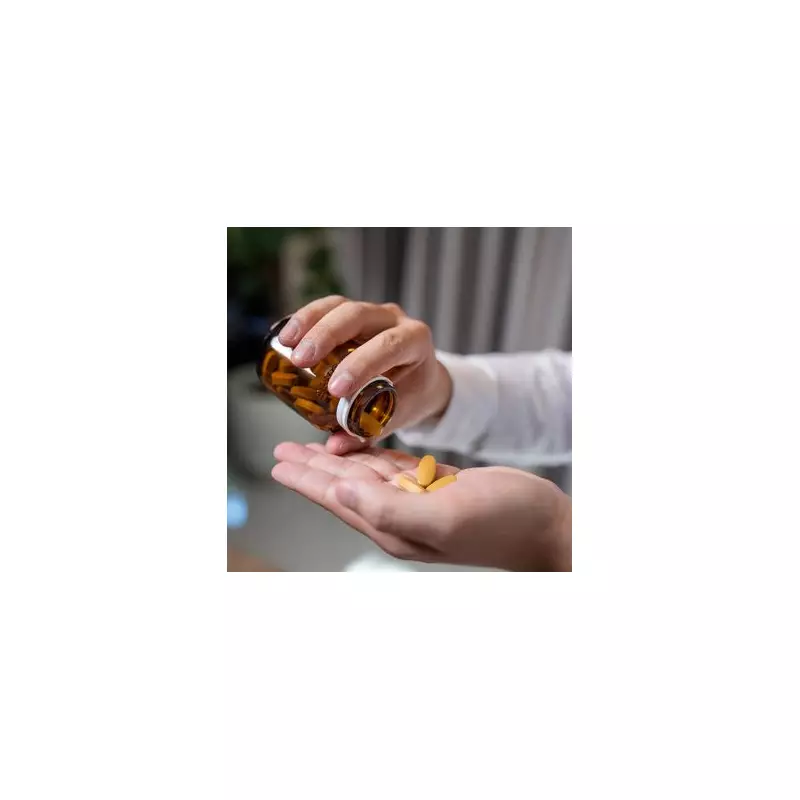
A prominent health expert has pinpointed a single daily supplement that could be a game-changer for those looking to combat the visible signs of early ageing. Dr Eric Berg, a physician with a vast online following, insists this addition could help protect against collagen depletion and even 'reverse' ageing markers.
The Science Behind Collagen and Ageing
The natural ageing process varies dramatically between individuals, with some noticing changes as early as 30. A significant factor in how old we look is collagen, the protein responsible for skin's plumpness and elasticity. Dr Berg notes that by the age of 40, we may have lost around 25% of the collagen in our connective tissue. This decline leads to thinner, more lined skin that is more vulnerable to damage.
While the market is flooded with anti-ageing creams and invasive procedures like Botox, Dr Berg advocates for a foundational nutritional approach. He identifies several culprits that accelerate collagen breakdown, including certain antibiotics, ultraviolet radiation, high sugar consumption, and a poor diet.

Vitamin D: The Anti-Ageing Powerhouse
The supplement Dr Berg consistently champions is vitamin D. In a popular video viewed by millions, he explained its protective role. "Vitamin D helps protect you against the loss of collagen and premature ageing," he stated. For this reason, he recommends that everyone consider taking at least 10,000 IU of vitamin D daily, citing its multiple health benefits with anti-ageing being a key one.
His advice finds support in broader scientific research. The National Institutes of Health confirms that adequate vitamin D intake can delay processes linked to ageing and age-related diseases. It works by restoring mitochondrial function and counteracting oxidative stress and inflammation, a combination sometimes termed 'oxi-inflamm-ageing'.
Beyond Supplements: Lifestyle Tips for Youthful Skin
Dr Berg's protocol extends beyond supplementation. He strongly advocates for physical activity to boost the body's own collagen production. Simply "using the body more" through gentle, consistent movement—like planking—can signal the body to produce more collagen, he emphasised.
He also shared a more unconventional tip involving the cultivation of a specific microbe in a milk culture. Consuming half a cup daily, he claims, can stimulate the vagus nerve, leading to the release of the anti-stress hormone oxytocin in the brain. This reduction in stress, coupled with improved sleep, can create an internal environment conducive to rejuvenating skin and muscles.
The response from Dr Berg's audience has been overwhelmingly positive. One follower, a physician of 30 years, commented on learning new information to share with patients. Another, aged 53, claimed to feel as if they were in their 20s after following his advice.
As with any significant change to diet or health regimen, it is crucial to consult with your own doctor before beginning new supplements. However, the evidence presented suggests that addressing vitamin D levels could be a simple yet powerful step in nurturing healthier, more resilient skin as we age.