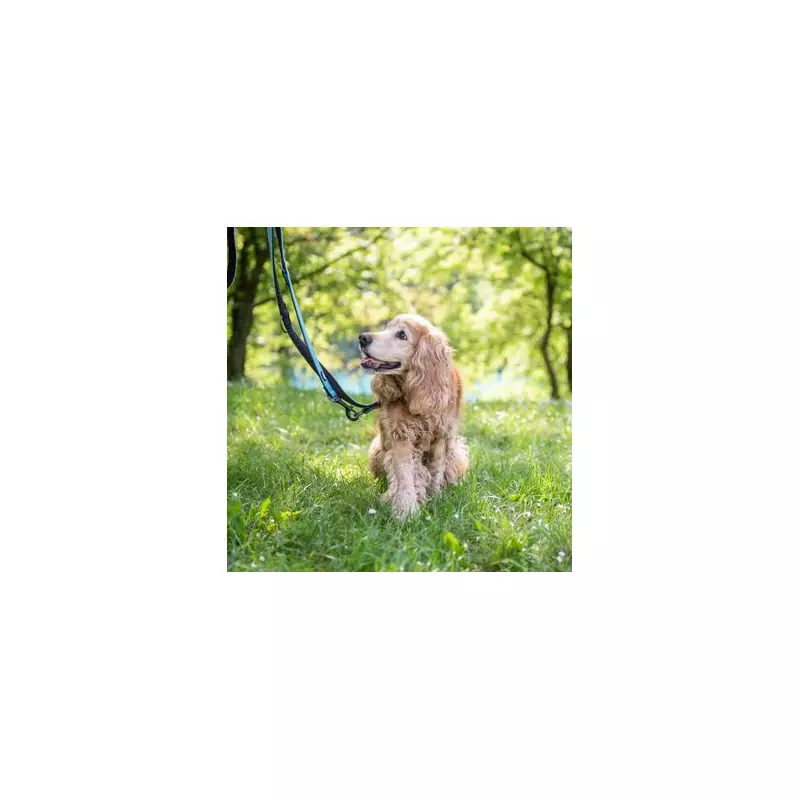
As a nation of dog lovers, ensuring our canine companions get the right amount of exercise is a daily priority for millions of owners across the UK. However, a leading veterinary expert has highlighted that many may not be walking their pets for long enough, with crucial variations needed depending on age, breed, and health.
The Golden Rule for Puppy Exercise
Vet Dr Nicole Rous provides a clear, easy-to-follow formula for exercising young dogs. The guideline is five minutes of exercise per month of age, twice a day. This means a four-month-old puppy would require around 20 minutes of activity, twice daily.
"That includes walks and things like that, but it also includes exercise in the back yard and games you're playing," Dr Rous explained. This balanced approach helps protect developing joints while fulfilling a puppy's need for stimulation and play.

Adult and Senior Dog Walking Requirements
For fully-grown dogs, the needs become more varied. Adult dogs typically need between 30 to 60 minutes of exercise each day, but this is highly dependent on their breed and energy levels.
"If you've got a really active breed like a Border Collie, you're probably looking at one to two hours," Dr Rous said. "If you've got a more sedentary breed, you might be looking at two 20 minute walks a day rather than the full hour."
Senior dogs, while still requiring 30 to 60 minutes of activity, need special consideration. The type of exercise is crucial to protect their ageing joints. Low-impact activities and considering the walking surface are vital. Dr Rous also recommends exploring hydrotherapy, describing it as a "really good exercise" to include in an older dog's routine.
Tailoring Walks to Your Dog's Needs
While general advice suggests a typical dog needs 20 to 30 minutes per walk, with most requiring at least one outing daily, the ideal is often two. The final decision, however, must be based on your individual pet.
Key factors to monitor include:
- Breed: High-energy working breeds need significantly more exercise than companion breeds.
- Age: Follow the puppy formula and adjust for senior mobility.
- Health: Underlying conditions can drastically alter exercise tolerance.
It is essential to observe your dog's energy levels and adjust walk lengths accordingly. If you are ever uncertain about the right amount of exercise for your pet, conducting thorough research and seeking direct advice from your vet is always the best course of action.