For years, the Mediterranean diet has been the gold standard for those seeking better health and sustainable weight loss. But groundbreaking new research suggests a different dietary approach may yield superior results.
The Head-to-Head Diet Comparison
A study published in the journal Frontiers has directly compared the Mediterranean diet against a low-fat vegan regimen. The research involved 62 adults who were divided into two groups for a 16-week period.
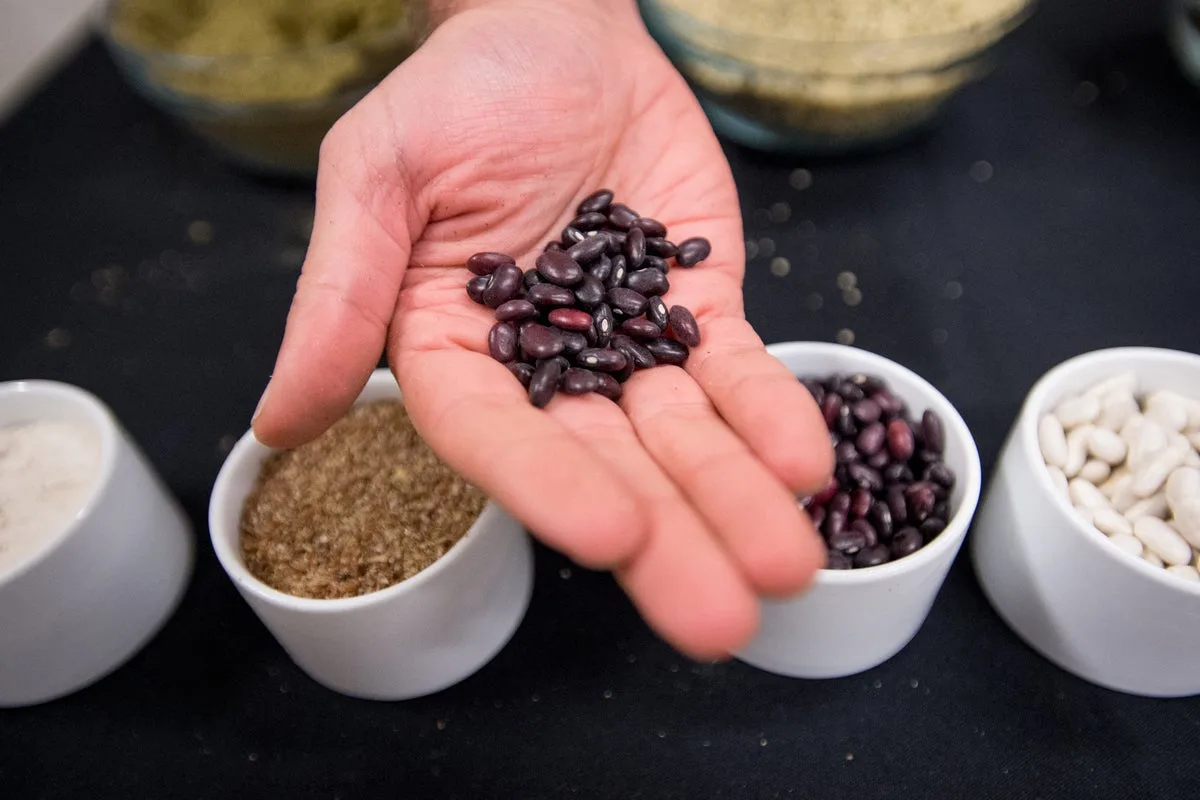
One group followed the traditional Mediterranean diet, rich in fresh produce, fish, and extra virgin olive oil. The other group adopted a low-fat vegan diet consisting of grains, beans, and fresh fruits and vegetables. After the initial period, participants returned to their regular eating habits for four weeks before switching to the opposite diet for another 16 weeks.
Surprising Weight Loss Results
The findings revealed that participants lost significantly more weight while following the low-fat vegan diet compared to the Mediterranean approach. Researchers used the Plant-Based Diet Index (PDI) to measure how consumption of plant-based foods correlated with weight loss.
The study distinguished between healthful plant foods (hPDI) - including fruits, vegetables, whole grains, nuts, legumes, oils, coffee, and tea - and less healthful plant options (uPDI) such as potatoes, sweets, fruit juices, sugar-sweetened beverages, and refined grains.
PDI scores increased substantially during the vegan phase but remained largely unchanged during the Mediterranean diet period. Interestingly, while consumption of unhealthful plant foods decreased on the Mediterranean diet, it actually increased during the vegan phase - yet participants still lost more weight following the vegan regimen.
The Science Behind the Success
Researchers noted that the weight loss benefits likely stemmed from replacing animal products with plant-based alternatives, even when some of those alternatives were considered less healthy. Replacing animal products with plant-based foods appears to be a successful strategy for weight loss, regardless of the health quality of those plant foods.
The mechanism behind this effect involves several factors. Plant-based foods are typically richer in fibre and have a lower energy density, meaning you can eat more food for fewer calories. These foods also stimulate the secretion of glucagon-like peptide-1 (GLP-1), a hormone that enhances feelings of fullness.
This finding is particularly relevant given the current popularity of GLP-1 medications like Ozempic and Wegovy, which work by mimicking this natural hormone to regulate hunger and promote satiety.
The research suggests that simply shifting toward plant-based eating, while reducing consumption of oil and nuts, may provide effective weight management benefits without pharmaceutical intervention.