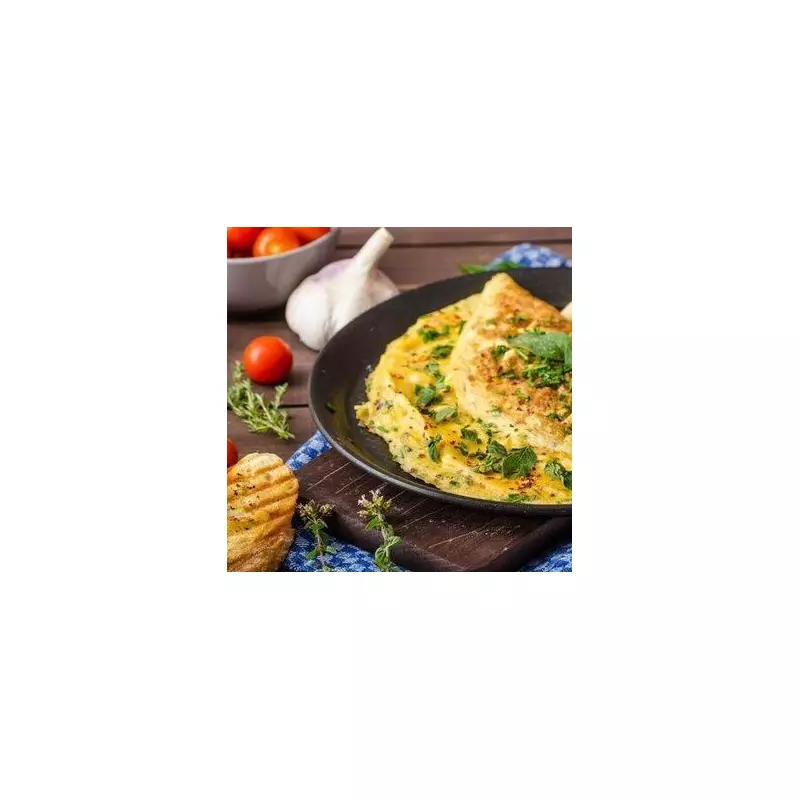
An omelette might appear deceptively simple, but achieving that perfect, pillowy texture is a culinary art many home cooks struggle to master. A rubbery, overcooked result can turn this comforting dish into a bland and dry disappointment.
The Universal Chef's Secret: Whisking is Key
In a quest for omelette perfection, numerous acclaimed chefs and food experts were consulted. While they offered a variety of hints and methods, every single professional emphasised one non-negotiable step: whisking the eggs thoroughly before they hit the pan.
Henry O'Connor, egg expert and founder of the British brand Better Eggs, explained that proper whisking is often overlooked. "A well-whisked mixture introduces air, creating the light, fluffy texture that separates a great omelette from a flop," he stated. He advises seasoning the eggs at this stage to ensure the flavour is distributed throughout.

For the cooking process, O'Connor recommends a medium-low heat to allow the eggs to "set gently so the omelette is tender and melt-in-the-mouth." He champions butter over oil, melted until foamy, and cautions against overloading with fillings. "A sprinkle of cheese, a handful of fresh spinach... Too much filling and your omelette becomes a mess, rather than a masterpiece."
Techniques from the Top: From Lazy to Luxe
Celebrated chef José Pizarro, a leading name in Spanish cuisine in the UK, also advocates for a gentle whisk. "I whisk the eggs briefly, just enough to break them up. I like the texture, silky and natural, no over-whisking," he said. He shared his method for a "lazy omelette," which involves sliding the softly set eggs straight onto a plate without folding, often topped with 5J jamón.
At London's The Wesley, head chef Sergio Martino recommends whisking until smooth but not overly frothy. He provided a recipe for a seasonal mushroom and Parmesan omelette, stressing the importance of low heat and adding the cheese just before the eggs fully set for a soft, creamy finish.
Private yacht chef Barry D'Arcy uses three room-temperature eggs lightly beaten with a tablespoon of crème fraîche. His technique involves gently pushing the setting eggs from the edges towards the centre. "Stop stirring, tilt the pan at a 45-degree angle... and gently fold the omelette in half. The colour should look glossy but without looking brown," he instructed.
Advanced Methods and Flavourful Twists
Martyn Nail, culinary director at The Dorchester Hotel, employs a distinctive method. After allowing the beaten eggs to form a initial shell in the pan, he removes it from the heat and whisks vigorously with a fork inside the pan. This creates a creamy, almost scrambled centre, which is then spread out to firm up into the classic omelette shape. He aims for the French ideal of "baveuse" – a soft, slightly runny consistency.
Michelin-recognised chef Simon Bonwick, of The Crown at Bray, also starts with fork-whisked eggs, combined with cream and butter. He champions the wild cep mushroom as a filling and recommends serving the finished dish with a glass of Aligoté wine.
Adding a vibrant, spicy twist, chef Mehak Kansal of Bindas in Mayfair shared her masala omelette recipe. She avoids cream, using an extra egg for richness, and beats in mature cheddar, red onion, green chilli, cumin, turmeric, and coriander. She fries the mixture in ghee until crispy and golden, serving it with buttered toast for what she calls "pure comfort on a plate."
From the essential whisk to the gentle fold, the consensus is clear: mastering a few simple, careful techniques is the true secret to transforming humble eggs into a restaurant-quality omelette.