
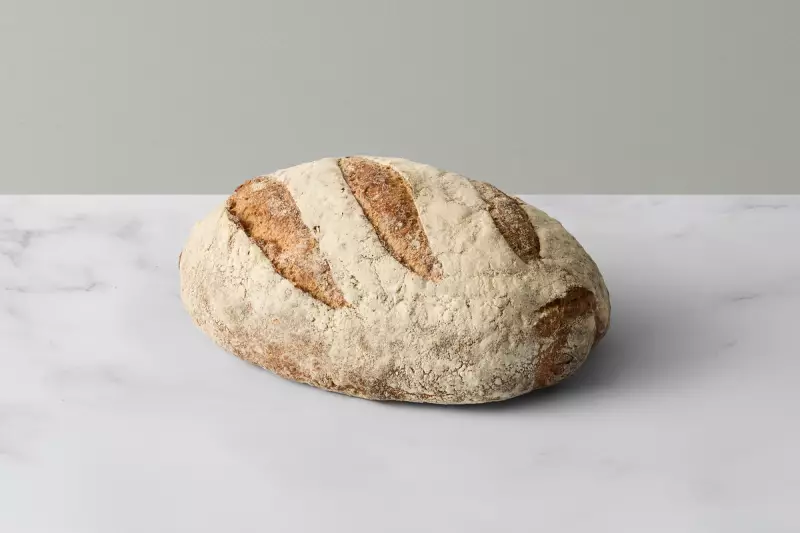
Forget what you thought you knew about bread. The humble sourdough loaf, a staple in artisan bakeries, is now being hailed for its significant health advantages, with recent research pointing to its potential for reducing blood pressure.
The Science Behind Sourdough and Blood Pressure
A 2024 study provided compelling evidence, observing noticeable reductions in blood pressure among participants who made a simple dietary switch. They replaced their usual daily bread with sourdough over a two-month period.
The secret lies in sourdough's unique fermentation process. This natural method breaks down the bread's proteins into smaller compounds called peptides. These specific peptides are believed to help relax blood vessels, which in turn contributes to lower blood pressure readings.
More Than Just Blood Pressure: The Glycaemic Advantage
The benefits of this fermented favourite extend beyond cardiovascular health. Sourdough bread boasts a lower glycaemic index (GI) compared to standard white bread.
This means that when you eat sourdough, your body experiences a slower, more controlled rise in blood sugar levels. This avoids the sharp spikes and subsequent crashes associated with high-GI foods, providing more stable energy throughout the day.
Choosing the Best Sourdough for Maximum Benefit
While all sourdough offers advantages, experts advise being selective for optimal results. Nutritionists recommend opting for whole-wheat sourdough whenever possible.
The reason is simple: higher fibre content. The extra fibre in whole-wheat varieties not only supports healthy digestion but also acts as a prebiotic, feeding the good bacteria in your gut and promoting overall gut health.
So, next time you're at the bakery, consider reaching for a whole-wheat sourdough. This small change could be a delicious step towards a healthier you.