
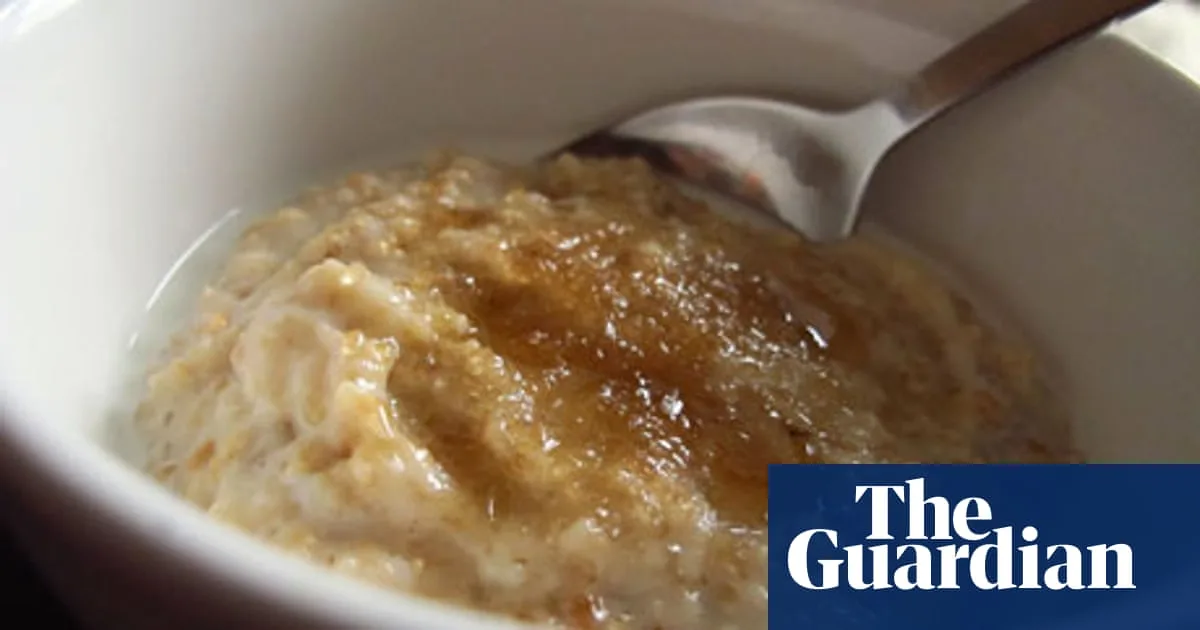
As winter temperatures drop, Britons can finally return to one of their greatest culinary achievements: the breakfast table. Porridge, a traditional British breakfast staple, is high in fibre and protein, proven to lower cholesterol and protect against heart disease, and is low GI, meaning it releases energy slowly and keeps you feeling fuller for longer.
To achieve perfect porridge, the key is to use milk instead of water. While some Scottish traditionalists insist porridge should contain only oats, water and salt, this approach can be depressingly dour. Experimentation is encouraged: after all, if no one had ever tried new methods, we would still be eating bland versions of this classic dish.
The type of oats used also matters. Rolled oat flakes are often tasteless and pappy; instead, opt for oatmeal. Oat groats can be processed into pinhead oats, ordinary flakes, or ground into coarse, medium or fine oatmeal. Non-steamed oats retain a stronger flavour and more interesting texture. A mixture of pinhead and medium oatmeal provides the ideal balance of chewiness and creaminess.
Finally, cooking porridge in a pan rather than a microwave yields superior results. While microwaving may be convenient, it often leads to a messy clean-up and less satisfying texture. Taking the time to cook porridge on the stove with milk produces a creamy, comforting breakfast worth the extra effort.




