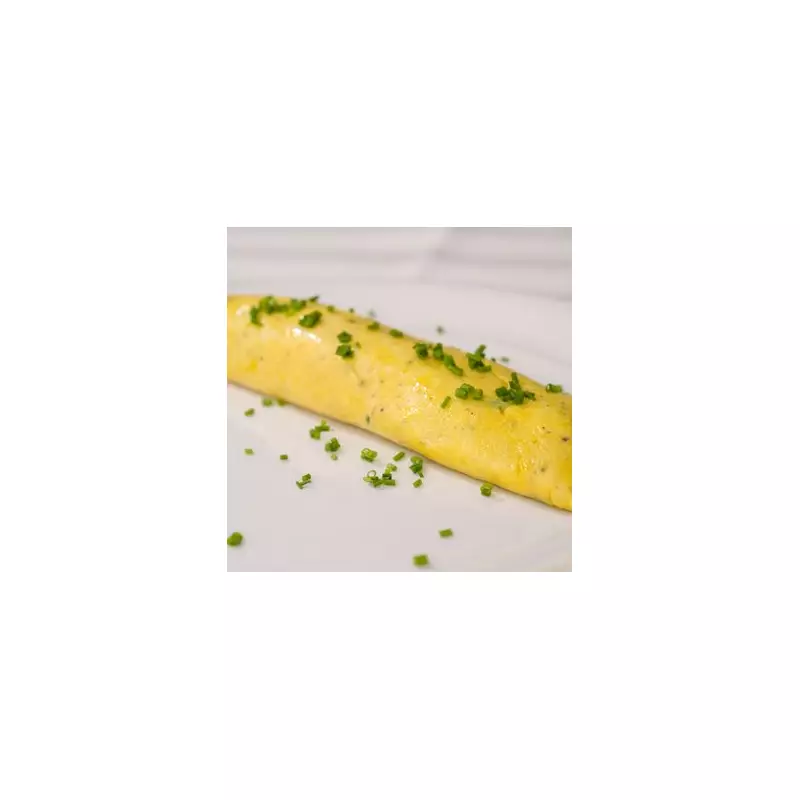
A chef has unveiled the single, simple ingredient that holds the key to creating the perfect French omelette, promising a texture that is moist, creamy, and silky rather than dry or rubbery.
The Hallmark of French Culinary Finesse
For generations, French chefs have been celebrated for mastering the delicate art of the omelette. The ideal version is a study in subtlety: a tender, golden envelope with a smooth exterior and a soft, almost runny interior of softly scrambled egg. It is a dish defined by its succulent and velvety consistency, often served plain to highlight the quality of the eggs themselves.
Now, an expert from the culinary publication Serious Eats has shared the secret to replicating this classic bistro staple in any home kitchen. The revelation focuses on a crucial step performed before the eggs even touch the pan.

The Crucial Pre-Pan Ingredient
So, what is the mystery element that guarantees a professional result? According to the specialist, the answer is one tablespoon of unsalted butter blended directly into the whisked eggs.
This method, distinct from merely melting butter in the pan, is credited with giving the cooked omelette its signature satiny finish and rich flavour. The chef explained that a true French omelette is "a tidy package of finesse and delicacy," where the interior remains "moist and creamy."
Mastering the Method: Tips from a Pro
The guidance extends beyond the secret ingredient. To preserve the eggs' moisture during cooking, the chef strongly recommends seasoning them with salt before they are cooked. "Salt actually helps eggs retain moisture," the expert noted, countering the belief that it makes them watery.
The full method for an authentic French omelette, as shared on 6 January 2026, calls for three large eggs, butter, kosher salt, and pepper. The process involves whisking the seasoned eggs until frothy, incorporating the tablespoon of butter, and then cooking in a pre-buttered non-stick pan over medium-low heat.
The technique requires constant, gentle agitation with a spatula to form tiny, soft curds. Once the eggs are nearly set but still creamy on top, the omelette is folded into its characteristic oval shape. The chef advises not to fret over slight browning, stating that while the classic version has none, "a little bit won't hurt."
The final, vital instruction is to serve the omelette immediately, ensuring the centre remains gloriously lush and creamy. With this one-ingredient trick and careful technique, the elegance of a Parisian café breakfast is now within any cook's reach.