A culinary expert has revealed the simple yet transformative secret to achieving the perfect French omelette, promising a result that is consistently moist, creamy, and silky.
The Hallmark of a Perfect French Omelette
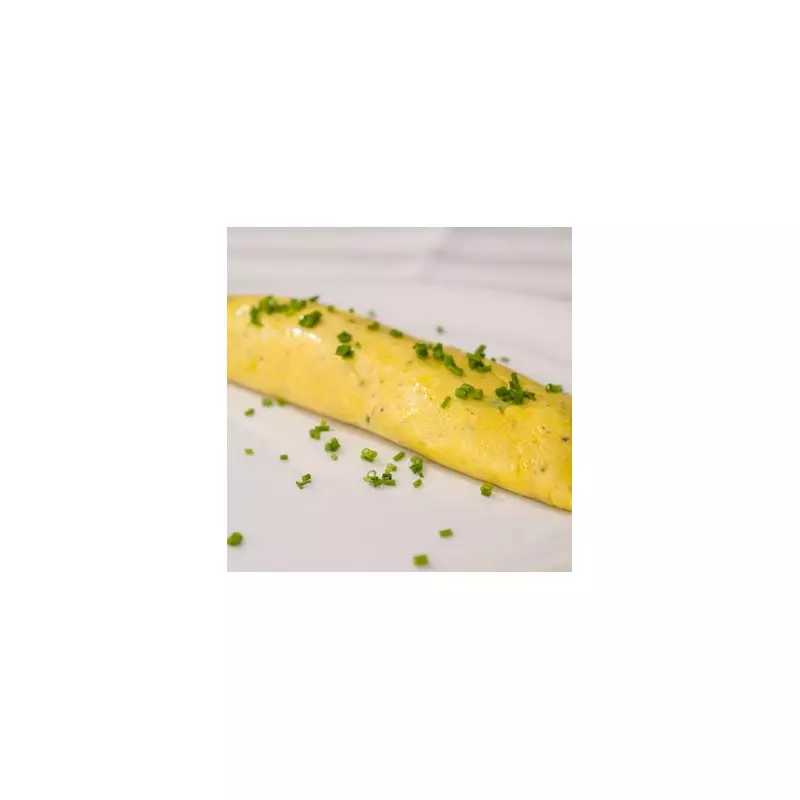
For generations, French chefs have been celebrated for mastering the delicate art of the omelette. The ideal version is not dry or overloaded with fillings. Instead, it is a succulent and velvety package of softly scrambled egg, renowned for its finesse and a texture that melts on the tongue.
An authority from the culinary publication Serious Eats has now disclosed how home cooks can replicate this classic consistency. They explained that a true French omelette should have a smooth exterior and a tender, creamy interior.

The One Secret Ingredient You Need
So, what is the key to this luxurious texture? The answer is surprisingly straightforward. Before your eggs hit the pan, you need to incorporate one tablespoon of unsalted butter into the whisked mixture.
This single step is credited with creating that signature satiny finish. Furthermore, the specialist advises seasoning the eggs with a dash of salt prior to cooking, as this actually helps the eggs retain moisture during the cooking process.
How to Craft Your Own French Omelette
Ingredients:
- Three large eggs
- One tablespoon of unsalted butter
- Kosher salt
- Freshly ground white or black pepper
Method:
First, crack the eggs into a bowl, season gently with salt and pepper, and whisk them thoroughly until they are completely blended and lightly foamy. For a basic omelette, add the tablespoon of butter to the egg mixture now and whisk to combine.
If you desire additional flavour, you can incorporate herbs, cheese, or other seasonings into the whisked eggs at this stage.
Next, warm a non-stick pan over a medium-low heat. Pour in the egg and butter mixture. Begin stirring immediately with a spatula or fork whilst gently jiggling the pan. This constant motion is crucial for forming the tiny, soft curds that give the omelette its characteristic creamy texture.
Once the eggs are nearly set but still slightly runny and velvety on the surface, stop stirring and smooth the top. Then, angle the pan and carefully fold the omelette in half, tucking it into a neat oval shape.
The chef notes that while the classic French ideal has no browning, a little bit is not a disaster. If the top needs a moment more to cook, let it linger over the heat briefly.
Finally, slide the finished omelette onto a plate and serve it immediately, ensuring the centre remains gloriously lush and creamy.