
The assertion that animals have a right to life is both nonsensical and unnecessary for improving their welfare, according to a new argument set to be debated in Sydney. Philosopher Carl Cohen's claim that animal rights entail a right not to be killed implies a duty on humans to refrain from harming animals. But such a right would logically require preventing animals from hunting one another, which is unworkable.
Peter Singer, a founding figure of the animal rights movement, does not actually advocate a right to life for animals. His seminal work Animal Liberation focuses on the duty to stop unnecessary suffering, notably that caused by intensive farming. This means boycotting cruel practices, but also opens the door to choosing ethically sourced and slaughtered animal products rather than an exclusively vegetarian or vegan lifestyle.
Data cited in the argument show that only 1.5% of people are willing to try or maintain a vegetarian or vegan diet, a figure that has remained stable over time. Given this, promoting an ethically carnivorous life may be far more effective in reducing animal suffering than insisting on total abstention.
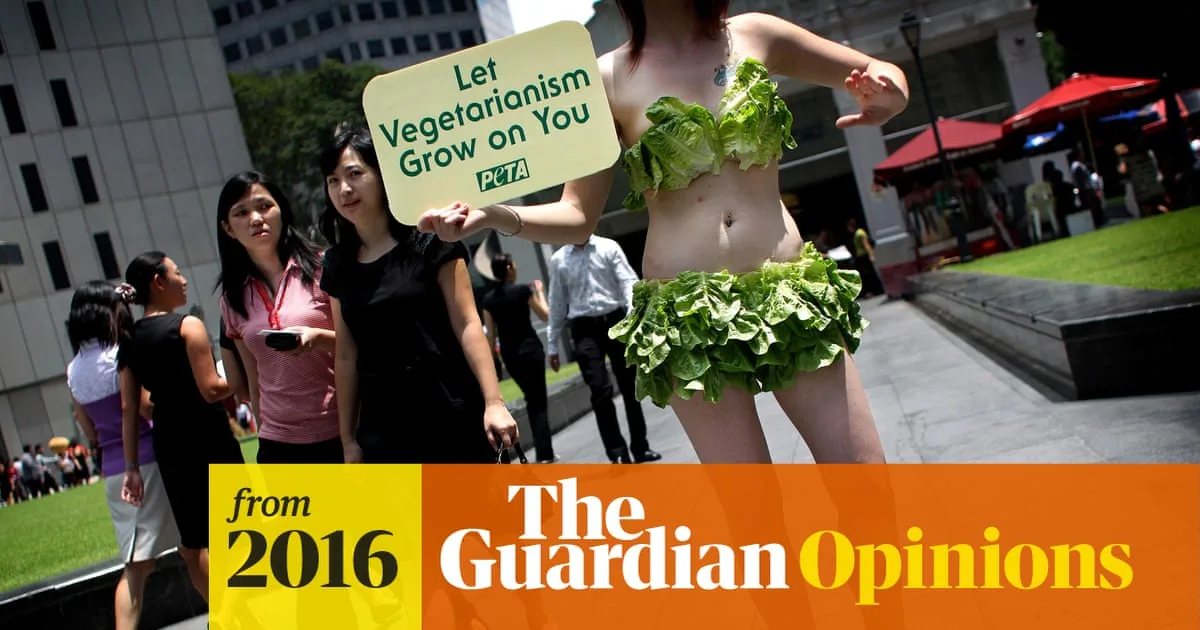
The article criticises animal rights groups for continuing to present vegetarianism and veganism as the only legitimate response. A 2014 study found that 70% of Australians agreed humans have an obligation to avoid harming all animals, leading many to buy free-range and cruelty-free products. Yet the study's authors still advised advocates to press for complete abstention, rather than encouraging incremental improvements.
This raises the question of whether the promotion of vegetarianism is genuinely about animal welfare or about feeling morally superior. The article draws a parallel with climate change communications, which often prompted powerlessness rather than action due to a self-righteous tone. It suggests that a more pragmatic approach, embracing ethical carnivory, might achieve greater change.




