A leading pharmaceutical expert has detailed the impressive health benefits of a classic festive food, revealing its potential to support heart health, manage cholesterol, and even combat infections.
Writing for The Conversation, Dipa Kamdar, a Senior Lecturer in Pharmacy Practice at Kingston University, highlighted the significant properties of the humble cranberry. Often served as an accompaniment to Christmas turkey, this tart red berry is packed with beneficial compounds.
"From festive sauces to brightly coloured juices, cranberries have long been part of our diets," Ms Kamdar stated. "Beyond their tart flavour and seasonal appeal, these red berries are often described as a superfood with several potential health benefits."

The Power of Cranberry Antioxidants
Ms Kamdar explained that cranberries are rich in powerful antioxidants, including anthocyanins, proanthocyanidins, and quercetin. These substances help protect the body's cells from damage caused by unstable molecules known as free radicals.
Research indicates that cranberry juice or extracts can improve several key risk factors for heart disease. The berries are associated with raising levels of HDL ('good') cholesterol, which helps remove excess cholesterol from the bloodstream. They may also lower LDL cholesterol, particularly in people with diabetes.
Furthermore, cranberry antioxidants "may also improve flexibility in blood vessels, reduce blood pressure and lower homocysteine, an amino acid linked to inflammation at high levels," the expert added.
Preventing Infections and Exploring Anti-Cancer Properties
Cranberries are perhaps best known for their role in helping to prevent urinary tract infections (UTIs). They contain specific compounds called proanthocyanidins.
"These compounds appear to stop bacteria such as E. coli from sticking to the lining of the urinary tract, which is one of the first steps in developing an infection," Ms Kamdar said. This explains why cranberry products may help prevent UTIs, though they do not treat established infections.
Research supports this preventive role, especially for women with recurrent infections and for children. One study found that both cranberry juice and tablets reduced UTI rates in women, with tablets being slightly more effective and cost-efficient. Both forms also led to reduced antibiotic use compared to a placebo.
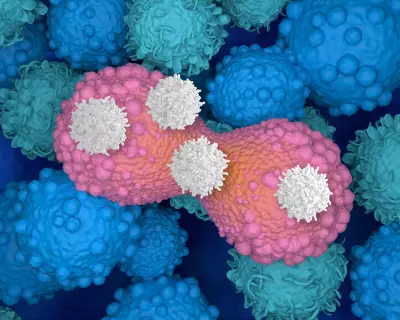
Researchers are also investigating cranberries for a possible role in cancer prevention. Laboratory and animal studies show that compounds like ursolic acid may slow tumour cell growth. A clinical trial found that cranberry juice may help reduce the risk of stomach cancer by blocking the H. pylori bacterium from attaching to the stomach lining.
How to Consume Them and Important Cautions
While supplements are available, Ms Kamdar emphasised that the best way to consume cranberries is in their fresh, whole form. "Supplements cannot replace a balanced diet, and whole cranberries provide additional nutrients and fibre that extracts cannot match," she advised.
However, some people should exercise caution. Large amounts of juice or supplements can cause stomach upset or diarrhoea. Cranberries contain oxalates, which may contribute to kidney stones in prone individuals. Sweetened juices can also negate health benefits by adding excessive sugar.
The most significant safety concern involves potential interactions with certain medications. "Some case reports suggest cranberry juice may enhance the blood-thinning effect of warfarin, which increases the risk of bleeding," Ms Kamdar warned. Evidence is inconsistent, but people on warfarin are usually advised to avoid large quantities. There may also be interactions with other drugs processed by the liver.
For most people, however, cranberries are a safe and highly beneficial addition to the diet when consumed in moderation, offering a festive boost to year-round wellness.