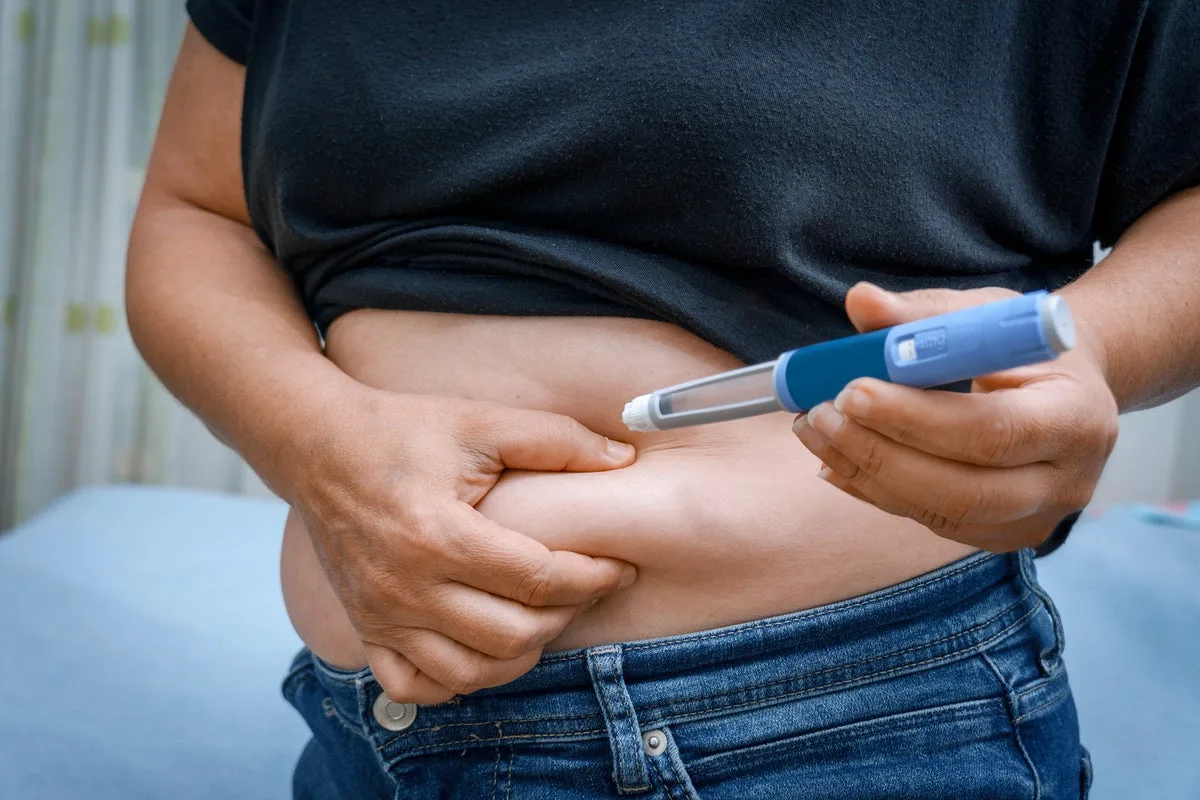
The rise of GLP-1 weight-loss medications, such as Ozempic and Wegovy, is reshaping the restaurant industry as chains respond to the growing number of customers with reduced appetites. Many national brands are now offering scaled-down portions or protein-packed meals to cater to this trend.
Smoothie King was among the first to capitalise on the shift, introducing a dedicated GLP-1 Support Menu in 2024. Developed with a registered dietitian, the menu features smoothies high in protein and fibre with zero grams of added sugar. Other chains, including Olive Garden, Shake Shack, Subway and Chipotle, have since followed suit with their own lighter or protein-focused options.
Olive Garden, owned by Darden Restaurants, added a 'lighter portion' section to its menu in December, offering smaller and more affordable entrees. Ricardo Cardenas, Darden's CEO, said the change was designed to give guests more choices and 'just so happens to benefit consumers that might want smaller portions that are on GLP-1 medications.'
Chipotle introduced a high-protein menu featuring a 'High Protein Cup' with 32 grams of protein, inspired by viral customer 'hacks' for protein-rich orders. Subway launched 'Protein Pockets,' snack wraps with over 20 grams of protein, while Shake Shack added a 'Good Fit Menu' offering lettuce-wrapped burgers. These moves reflect a broader shift towards protein-forward diets and smaller, snack-sized portions.
The trend is reinforced by new US dietary guidelines announced earlier this month by the Trump administration, which recommend increasing daily protein intake from 0.8 grams per kilogram of body weight to 1.2–1.6 grams, while reducing sugar and processed foods. With 12 percent of Americans now reporting use of GLP-1 drugs, this convergence of health trends is likely to keep influencing restaurant menus.