Oatzempic Trend: Dietitians Debunk Viral 'Natural Ozempic' Weight Loss Drink
Oatzempic: Dietitians Reveal Truth on Viral Weight Loss Drink

Social media platforms like TikTok and Instagram are currently awash with videos promoting a simple blended drink dubbed "Oatzempic," with users claiming it offers effortless weight loss and a natural alternative to prescription medication. The trend, which surged in early 2026, involves blending rolled oats with water or juice. However, leading dietitians and health researchers are now separating the facts from the hype.

The Science Behind the Sensation

There is no single official recipe for Oatzempic, but most demonstrations use one to two tablespoons of rolled oats mixed with water, sometimes with added lemon, lime, or cinnamon. The proposed benefit is that consuming this drink induces a feeling of fullness, thereby reducing overall appetite and calorie intake.

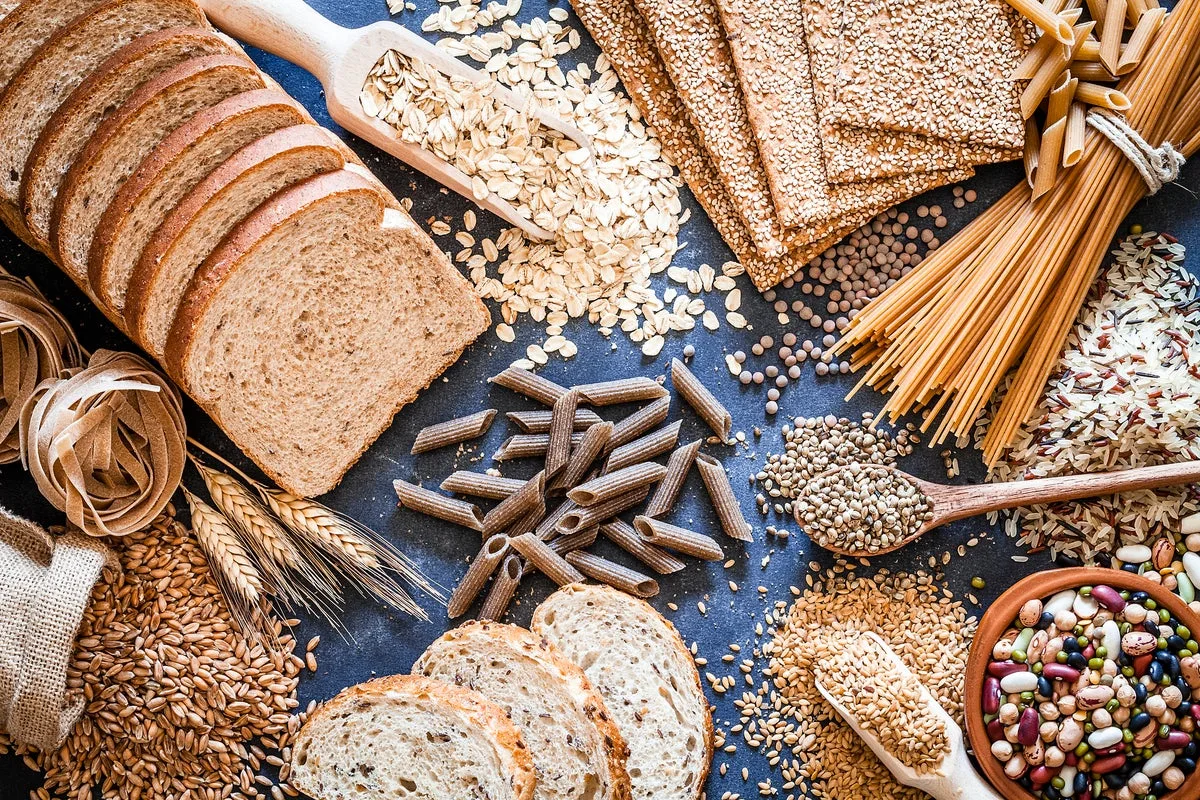
Lauren Ball, Professor of Community Health and Wellbeing at The University of Queensland, and Emily Burch, an Accredited Practising Dietitian at Southern Cross University, explain the kernel of truth within the trend. Oats are rich in beta-glucan, a viscous soluble fibre that forms a gel in the gut. This slows digestion, promoting satiety. Research, including a randomised crossover trial, confirms that oat fibre can increase feelings of fullness and modestly improve appetite control.

Furthermore, meta-analyses show oat beta-glucan can help regulate LDL cholesterol and post-meal blood glucose levels. However, these benefits are not unique to oats; apples, barley, flaxseeds, and legumes also provide similar soluble fibres.

Why Oatzempic Is Not a Magic Bullet

Crucially, no scientific studies have tested the "Oatzempic drink" specifically for weight loss or long-term health outcomes. The experts emphasise that feeling full is not synonymous with achieving meaningful or sustainable weight reduction. Any weight loss reported by users is likely due to a broader reduction in calorie intake or other lifestyle changes, not the drink itself.

From a nutritional standpoint, the typical Oatzempic recipe is low in protein, healthy fats, and essential vitamins and minerals. If it regularly replaces balanced meals, it could lead to nutrient deficiencies. The name itself is problematic, as it misleadingly implies a drug-like effect comparable to Ozempic, a prescription medication that works on appetite-controlling hormones in a far more potent way.

Potential Risks and Better Alternatives

While generally safe in small amounts, the Oatzempic trend carries several risks. A sudden increase in fibre intake can cause bloating and gastrointestinal discomfort, especially without adequate fluid. More seriously, relying on such fads may delay people from seeking evidence-based medical or dietary advice.

For those seeking a convenient breakfast, the dietitians suggest a more nourishing alternative. "You’d get a greater nutritional benefit by making a simple smoothie with oats, a banana or berries, a spoonful of nut butter, and milk or yoghurt," they advise. This provides a balanced mix of protein, healthy fats, and micronutrients.

For sustainable weight management, evidence supports a holistic approach: cooking healthy meals focused on protein and fibre, reducing processed foods and added sugar, consistent physical activity, proper hydration, and managing sleep and stress. Anyone needing personalised advice should consult their GP or an accredited practising dietitian.




