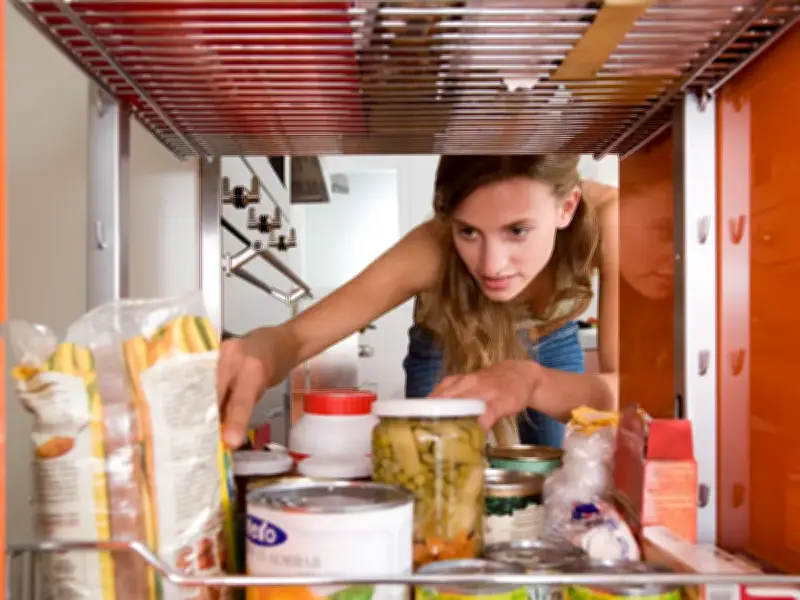
Britons are being advised to keep an emergency food supply at home, and nutritionist Rob Hobson has explained which long-lasting foods are best to store. His guidance follows the Government's 'Be Ready' campaign, launched after Prime Minister Andy Burnham advised households to prepare for temporary disruption to everyday services with three days of key supplies.
The advice includes three days' worth of bottled water and non-perishable food, a battery or wind-up FM radio to receive updates during outages, and cash in case electronic payments or cash machines are disrupted. The subject of what food to store has generated debate given the high cost of groceries during the cost-of-living crisis and ongoing high inflation.
What foods to stockpile
Hobson explained that there are plenty of healthy food options which can be combined to make a tasty meal without needing to cook them. He said: "So, what would I stock up on in preparation for a crisis? Well, the first thing for me is tinned beans, chickpeas, and lentils. You can eat them straight from the tin, or you can mix them with other ingredients like roasted peppers, olive oil, and some of this lemon juice, bottled lemon juice, for a quick salad."
"The next thing for me is ready-to-eat rice and grains. Some are flavoured. You can mix those with, say, tinned lentils, tuna, sundried tomatoes, and olives to make a really nice, tasty lunch. Just check that your grains can be eaten cold."
"Tinned fish, another option, high in protein. You've got tuna, salmon, sardines, and mackerel. And also don't forget tinned and jarred fruits and vegetables: sweetcorn, roasted peppers, artichokes, fruit in fruit juice, they're all great options."
Other essentials and practical tips
He added: "I'd also keep UHT milk and fortified cereals, along with dried fruit, nuts, seeds, and nut butters. Also, you've got crackers, oats, and crispbreads. They're really useful to make quick meals. You can top them with anything, like tinned sardines and roasted peppers."
"And then you've got long-life wraps that last quite a few months, and they're brilliant for making lunches with things like tuna, beans, and jarred vegetables."
"And finally, don't forget your flavours: soy sauce, chilli jam, pesto, mayo. They can all make basic meals much more interesting. And for mayo, those perishable goods, maybe get the sachets if you haven't got a fridge that you can keep them in. So the idea here, really, is to have foods that you can combine together to make quick, nourishing meals without cooking."
"Emergency food planning doesn't have to mean stockpiling loads of tins. It's about having a sensible selection of everyday foods that last well and can be combined into nourishing meals without cooking," he continued. "Choose smaller tins and packs. If you're cooking for one or two people, smaller tins of beans, fish and vegetables can be more practical. Without a working fridge, you may not be able to store leftovers safely."
"Don't forget drinking water. It's just as important as food. Keep a supply of bottled water and remember you may need extra for basic hygiene. Keep a manual tin opener. It sounds obvious, but it's easy to overlook, especially if you normally use an electric one!"
"Think about pack sizes. Individual cartons of UHT milk and sachets of mayonnaise or other condiments are useful when you can't refrigerate anything once opened."
"Check what can actually be eaten cold. Not all rice and grain pouches are suitable for eating straight from the packet. Look for products that are fully cooked and labelled ready to eat."
"Make flavour a priority. Olive oil, dried herbs, spices, soy sauce and individual condiment sachets can make basic cupboard meals much more enjoyable."
"Check and rotate your supplies. You don't need a separate cupboard full of emergency food. Buy things you normally eat, use them regularly and replace them as you go. And remember, if you're preparing for a situation without electricity, choose foods that don't need cooking, heating or refrigeration."
Retail sales surge and Government response
Major UK retailers have reported a dramatic increase in the sale of essential goods in the wake of the Government campaign. According to BBC Newsnight, the Iceland supermarket chain saw a 40% increase in sales of tinned products over the weekend.
The programme also reported Robert Dyas had a 160% increase in sales of radios compared with last week. Meanwhile, Maplin said radio sales rose by 92%, torches rose by 284% and the sale of power banks has risen by 106% covering the period since the Government's announcement last week compared with the same period last month.
A spokesperson for Iceland told BBC Newsnight: "It's clear consumers have listened to the Government's message as we have seen a 40% increase in sales of tinned products over the weekend and strong sales of bottled water too. Our supplies of these products remain healthy."
Defence Secretary Wes Streeting told the programme: "It's encouraging that people are taking practical steps to be ready."
"Having a few everyday essentials at home, from tinned food to torches, helps households prepare for disruption, whether that's flooding, power cuts or burst pipes," he said. "We can all play our part in making Britain more resilient."
The Government advice marks the first stage of a three-year campaign which aims to make households feel better prepared for disruptive events, such as severe weather, and comes in the wake of heatwaves, drought and fires that hit the UK during the summer. The steps advised include checking you have essentials such as three days' worth of food and water as well as checking eligibility and signing up for the priority services register for specific support during outages.