Eating a 12p portion of pearl barley could help lower 'bad' LDL cholesterol and potentially reduce the need for statins, according to a preventive cardiologist. Dr Francesco Lo Monaco, founder of The National Heart Clinic, highlighted the affordable staple as an overlooked food with genuine heart-health benefits.
Statistics from HEART UK and the British Heart Foundation show that almost half of all adults in the UK are living with high cholesterol, a condition that damages blood vessels and increases the risk of heart attack or stroke. Dietary changes can lower cholesterol and, for some, reduce or eliminate the need for medication.
How Pearl Barley Works
Pearl barley contains beta-glucan, a soluble fibre that reduces cholesterol absorption in the gut. When digested, it forms a gel-like substance that binds to cholesterol and bile acids, preventing their absorption into the bloodstream. The liver then pulls extra cholesterol from the blood to replace lost bile acids, lowering overall and LDL cholesterol levels.
A 500g bag of pearl barley costs £1.20 at Sainsbury's, making a 50g dry portion just 12p. Consuming 3 grams of beta-glucan daily is clinically recognised by health authorities for these benefits. Dr Lo Monaco said: "Pearl barley is a brilliant example of an overlooked food that offers real nutritional value without costing a fortune."
Impact on Medication
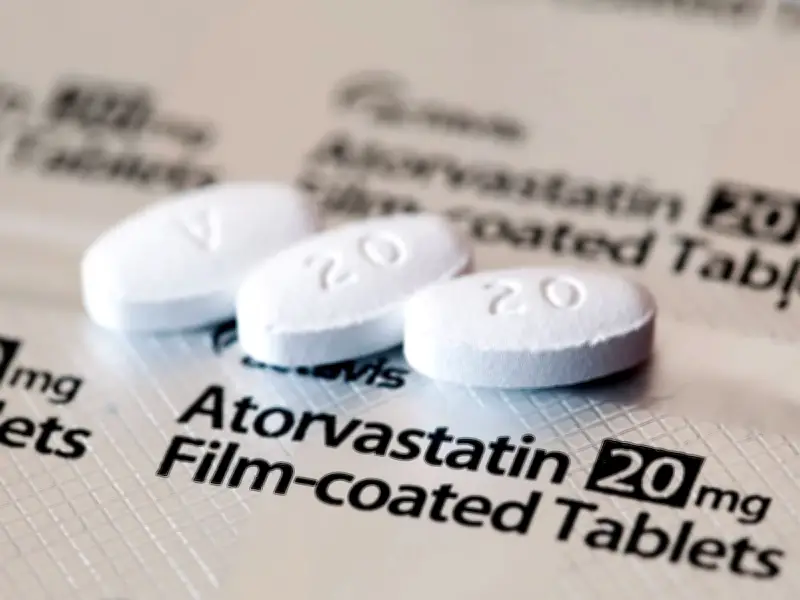
Eating pearl barley may help lower LDL cholesterol before medication is needed, but its effectiveness depends on individual cholesterol levels and overall heart risk. For those with mildly elevated cholesterol and no history of heart problems, dietary changes are often the first recommendation. However, if cholesterol is largely genetic or heart disease risk is high, diet alone may not suffice, and statins may still be prescribed alongside healthy foods.
Other Cholesterol-Lowering Foods
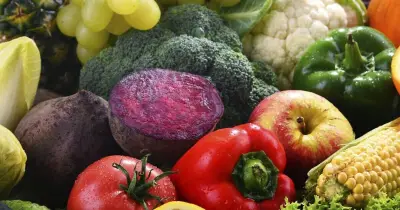
Dr Lo Monaco also recommended beans and lentils, ground linseed, carrots, and apples as affordable fibre-rich options. Beans and lentils are cheap sources of fibre and plant protein, while ground linseed provides fibre and plant-based omega-3. Carrots offer soluble fibre, and apples contain pectin, another soluble fibre that helps lower cholesterol.
Dr Lo Monaco stressed that diet is only part of the picture, as high cholesterol often causes no symptoms and requires a blood test to detect. "Changing what you eat can help, but it is not a substitute for medication when medication is needed," he said.
A broader approach, such as the Portfolio Diet, can lower LDL cholesterol by 13% to 30% within 2 to 12 weeks by combining soluble fibre, plant sterols, tree nuts, and soy or plant proteins, alongside reduced saturated fat intake and at least 150 minutes of weekly aerobic exercise. While foods like pearl barley are beneficial, they are a modest measure rather than a full replacement for statins in high-risk individuals.