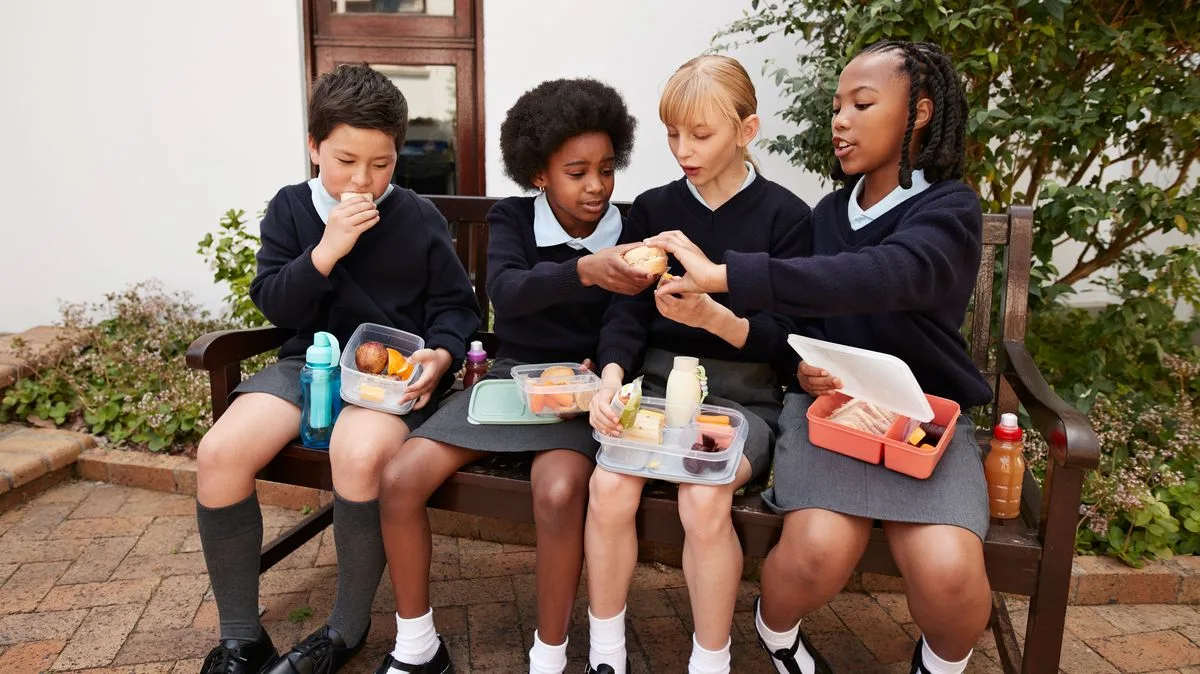
The NHS has recommended that parents add a small pot of reduced-fat hummus to children's lunchboxes to encourage them to eat more vegetables. The advice, shared on the NHS Better Health website, suggests that including a dip alongside vegetable sticks can make them more appealing to children.
According to the NHS, cherry tomatoes, carrot sticks, cucumber, celery, and peppers all count towards a child's five-a-day. Adding a dip like hummus may help children eat these vegetables, the health body explained.
The NHS also advised parents to pack fruit in lunchboxes, such as chopped apple, peeled satsuma segments, strawberries, blueberries, halved grapes, or melon slices. A squeeze of lemon juice can prevent the fruit from turning brown. Tinned fruit in juice, rather than syrup, is another option, but fruit bars should generally be avoided.
Dried fruit like raisins, sultanas, and dried apricots are healthier and cheaper than processed fruit bars, but the NHS cautioned that they should be kept to mealtimes as they can be bad for teeth.
The Eatwell Guide recommends that most people base meals on higher-fibre starchy foods, include dairy or alternatives, eat beans, pulses, fish, eggs, meat, and other protein, and choose unsaturated oils. The NHS noted that many people in the UK consume too many calories, saturated fat, sugar, and salt, and not enough fruit, vegetables, oily fish, or fibre.