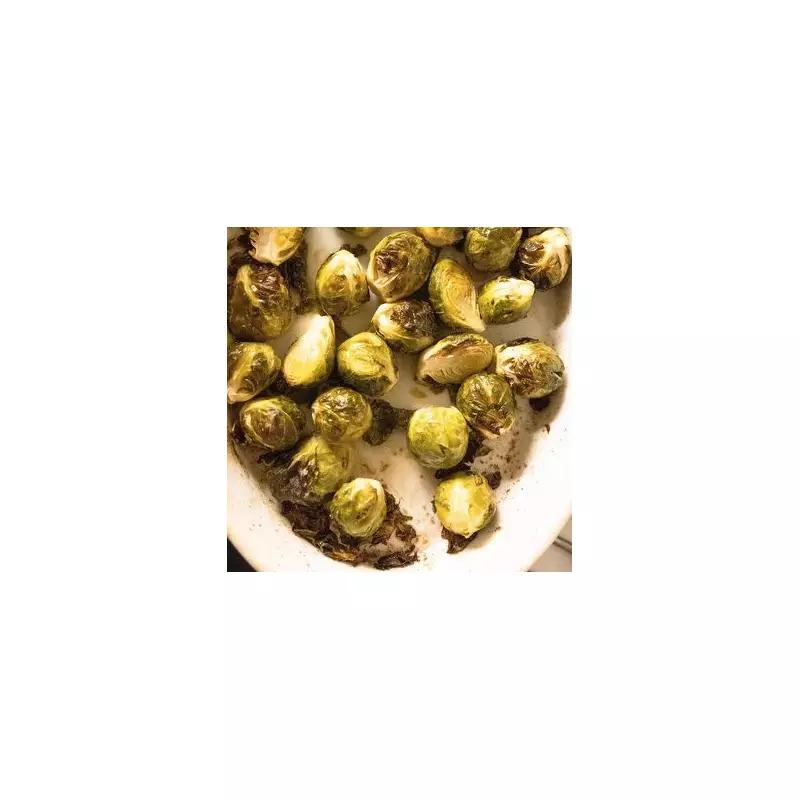
For many families across the UK, the humble Brussels sprout is the most divisive item on the Christmas dinner plate. Often relegated to the status of a soggy, bitter afterthought, this green vegetable has suffered a reputation crisis for generations. But what if the problem isn't the sprout itself, but how we cook it?
The One Cooking Mistake You're Probably Making
According to culinary experts, the cardinal sin committed in kitchens up and down the country is overcooking the sprouts. Boiling them for too long in a vast pot of water is the primary route to a mushy, sulphurous, and deeply unappealing side dish. This method leaches out their flavour, destroys their texture, and amplifies the bitter compounds that so many people dislike.
"The number one reason people say they don't like sprouts is because they've only ever eaten them boiled to death," explains one chef. The good news is that rectifying this festive faux pas is simpler than you might think and requires just a small shift in technique.

The Five-Minute Prep Secret for Superior Sprouts
The transformative tip is all in the preparation. Instead of boiling whole sprouts for 10-15 minutes, the pro method involves a quick blanch followed by a high-heat roast.
First, bring a pan of salted water to a vigorous boil. While you're preparing the sprouts by trimming the bases and removing any outer leaves, score a shallow cross into the bottom of each sprout with a sharp knife. This little step is crucial, as it allows heat to penetrate the dense core more evenly, ensuring the inside cooks at the same rate as the outside.
Next, plunge the prepared sprouts into the boiling water for exactly five minutes—and no longer. This brief blanching process starts the cooking and tames some of the raw bitterness. Immediately after, drain them thoroughly and give them a quick refresh under cold water to halt the cooking process. This is the step that locks in a vibrant green colour and a firm texture.
From Soggy to Sensational: The Final Roast
Once blanched, the sprouts are ready for their flavour transformation. Toss them in a generous amount of hot goose fat, duck fat, or a good quality olive oil until they are well coated. Season liberally with salt and pepper. For extra festive flavour, you can add crushed garlic, chopped bacon lardons, or chestnuts at this stage.
Spread the sprouts out in a single layer on a pre-heated baking tray. The key is to ensure they aren't crowded, which would cause them to steam instead of roast. Place them in a hot oven at around 200°C (400°F, Gas Mark 6) for 20-25 minutes. You're aiming for a result that is tender on the inside but beautifully caramelised and crispy on the outside.
Give them a shake or a turn halfway through cooking to ensure an even, all-over colour. The final product should be golden-brown, with some of the outer leaves deliciously charred and crispy. This combination of textures—soft interior, crunchy exterior—along with the deepened, nutty flavour from roasting, is what converts even the most ardent sprout sceptic.
This Christmas, ditching the prolonged boil in favour of a quick blanch and a hot roast could be the small change that makes a monumental difference to your festive feast. It’s a simple method that respects the ingredient, unlocks its true potential, and might just settle the great sprout debate at your dinner table once and for all.