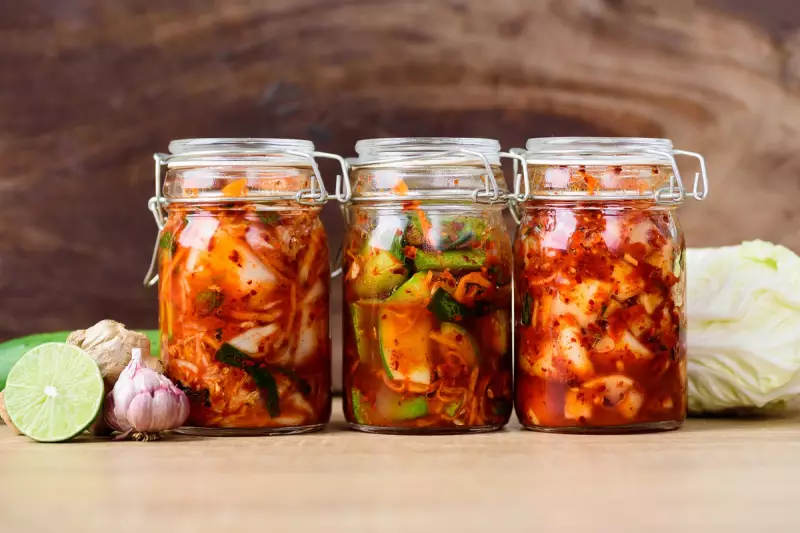
Could a daily spoonful of spicy Korean kimchi be a secret weapon for your immune system? A new scientific study provides compelling evidence that this fermented cabbage dish does more than tantalise the taste buds—it may actively enhance the body's defence mechanisms at a cellular level.
The Science Behind the Spice: A Targeted Immune Response
The research, involving 13 overweight adults over a 12-week period, delivered intriguing results. Participants were split into three groups: one received a placebo, while the other two consumed different types of kimchi powder in capsule form. The daily dose was equivalent to eating 30 grams of fresh kimchi.
Using advanced blood analysis techniques, scientists observed that kimchi consumption led to a targeted modulation of the immune system. Crucially, it increased the activity of antigen-presenting cells (APCs). These are the immune system's crucial 'alarm raisers'; they ingest pathogens, break them down, and display fragments on their surface to alert the body's helper T cells.

"The study found kimchi helps these alarm cells send clearer signals," the research indicates. Furthermore, genetic changes were observed in the helper T cells themselves, priming them to react more swiftly to threats. Since these T cells orchestrate the overall immune response, this enhancement means the body is better prepared to coordinate an effective defence against infections.
Balance is Key: Benefits Without Excessive Inflammation
An important finding was the specificity of kimchi's effect. Most other immune cells remained unchanged, showing that kimchi targets helper T cells rather than causing a broad, non-specific activation of the entire immune system. This balance is vital, as an overactive immune response can lead to harmful inflammation and tissue damage.
Both types of kimchi powder used in the study produced these positive effects. One was fermented using natural environmental microbes, and the other used a selected starter bacterial culture. The starter-culture version showed a marginally stronger impact, while the placebo group experienced no immune changes.
Senior Lecturer in Physiology, Rachel Woods from the University of Lincoln, notes that while this study was small and focused on cellular changes rather than real-world health outcomes, it provides a strong molecular explanation for how fermented foods influence immunity. It moves beyond observational data to show a direct link between a common food and measurable immune cell activity.
Beyond Kimchi: Building a Fermented Food Habit
Kimchi is not the only fermented food with potential immune and gut health benefits. The family of probiotic-rich foods includes yoghurt, kefir, sauerkraut, miso, and kombucha. Each contains live microbes and metabolites that can positively influence the gut microbiome, which is intimately linked to immune function.
Experts suggest that including a variety of fermented foods is likely more beneficial than relying on just one type, as different foods host different microbial communities. There is no official recommended daily amount, but the study's feasible 30-gram portion of kimchi offers a practical starting point.
As research continues to unfold, incorporating these foods into your diet is a simple and enjoyable strategy. Try new options, keep favourites stocked in the fridge, and find easy ways to add them to meals. These small, regular habits could be a tasty step towards supporting your gut and immune health.