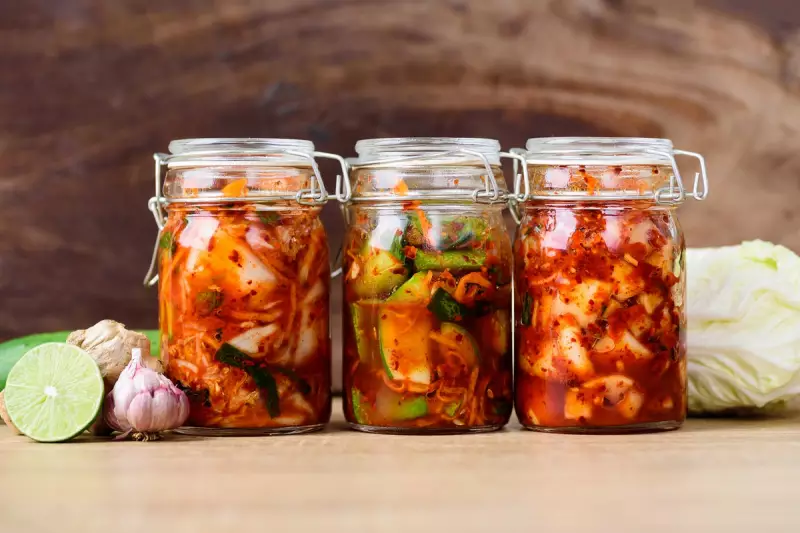
Could a daily spoonful of spicy Korean kimchi be a simple secret to supporting your immune defences? New scientific research suggests this fermented cabbage dish, a staple in Korean cuisine for centuries, may do more than tantalise the taste buds. A focused study indicates it can positively influence key immune cells, offering a potential dietary strategy for enhancing immune regulation.
Targeted Immune Response from Fermented Food
The investigation, which focused on 13 overweight adults over a 12-week period, provides a detailed molecular look at how kimchi consumption might affect the body. Participants were split into three groups: one received a placebo, while the other two took daily capsules containing different types of freeze-dried kimchi powder. The daily dose was equivalent to eating about 30 grams of fresh kimchi.
One kimchi powder was fermented using traditional, natural environmental microbes. The other used a specific starter bacterial culture. Using advanced blood analysis techniques, scientists examined individual immune cell behaviour before and after the study period, rather than just average measures.

How Kimchi Appears to Prime Defences
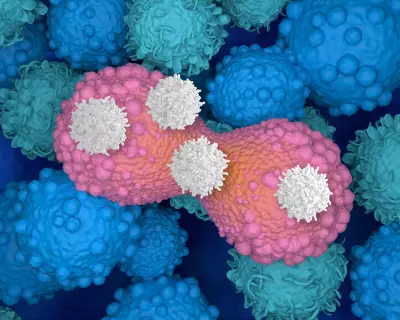
The results, published via The Conversation by Rachel Woods, a Senior Lecturer in Physiology at the University of Lincoln, revealed a targeted effect. Kimchi consumption increased the activity of antigen-presenting cells (APCs). These crucial cells act as the immune system's scouts, ingesting pathogens and displaying fragments of them to alert the body's defensive forces.
Furthermore, the study found kimchi prompted genetic changes in helper T cells, the coordinators of the immune response, making them react more swiftly to threats. Importantly, most other immune cells remained unchanged, suggesting kimchi helps fine-tune the system rather than causing a broad, potentially inflammatory, activation. Both types of kimchi produced these effects, with the starter-culture version showing a marginally stronger impact. The placebo group saw no changes.
Broader Implications for Diet and Health
While promising, experts caution that this was a small study measuring cell function, not real-world health outcomes like reduced infection rates. Therefore, it's not yet proven that eating kimchi in this way directly prevents illness. However, it provides a strong, plausible biological mechanism for how fermented foods can interact with our immunity.
Kimchi is not alone in this potential. Other fermented foods like yoghurt, kefir, sauerkraut, miso, and kombucha also contain live microbes and beneficial metabolites that may support the gut microbiome and immune function. The effects can vary based on the specific microbes, fermentation method, and an individual's unique gut flora.
There is no official recommended daily intake for fermented foods, but the 30-gram serving used in the study is a feasible amount for most people to incorporate into their diet. As research continues, including a variety of these foods may be a simple and enjoyable way to explore benefits for both gut and immune health.