When a federal budget impasse led to an unprecedented freeze on crucial food assistance payments last November, a swift and innovative cash relief programme delivered a vital, if modest, lifeline to hundreds of thousands of American families.
A Sudden Crisis for Millions
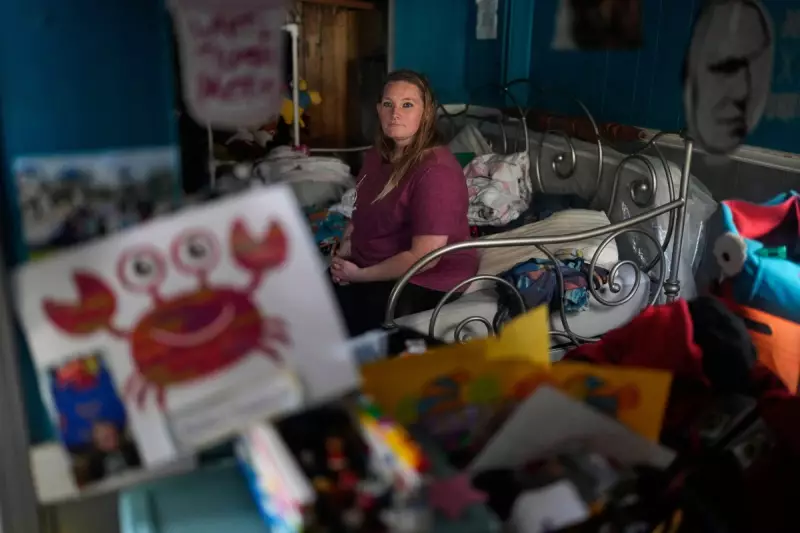
The financial strain was already mounting for Jade Grant, a 32-year-old certified nursing assistant from Palm Bay, Florida, as she approached the year-end holiday season. With three children, including one requiring a gluten-free diet and another with multiple allergies, her grocery bills were high. The situation became critical when President Donald Trump froze November payments for the Supplemental Nutrition Assistance Program (SNAP), which supports nearly 42 million lower-income Americans.
"Everything is right there. And then, boom. No food stamps," Grant recounted, describing the moment her family's safety net vanished. With her youngest child's sixth birthday approaching, she faced the stark reality of how to put food on the table.

Digital Innovation Enables Rapid Response
Hope arrived through an unexpected digital channel. Grant, like over 5 million others, uses the Propel app to manage her electronic benefit transfers. Logging in, she saw a pop-up banner inviting her to apply for emergency relief. Within a minute of completing a survey, she was enrolled, and roughly two days later received a virtual $50 gift card.
This was the work of a partnership between the anti-poverty nonprofit GiveDirectly and the for-profit software company Propel. The organisations leveraged Propel's verified user base to identify families who had not received their SNAP deposits and GetDirectly's model of direct cash transfers to provide immediate aid.
More than 246,000 families ultimately received the $50 injection, making it GiveDirectly's largest non-pandemic disaster response. The initiative raised $12 million from over 5,000 individual donors, plus major gifts from Propel and the New York nonprofit Robin Hood.
Why $50? A Strategic 'Stopgap'
Faced with a "man-made disaster" impacting more people than a typical geographically isolated event, organisers had to make difficult choices. SNAP costs approximately $10 billion monthly, so replacing lost benefits entirely was impossible.
"We wanted a 'stopgap' that represented a meaningful trip to the grocery store," explained Dustin Palmer, GiveDirectly's US Country Director. The team targeted families with children receiving the maximum SNAP allotment, aiming their limited resources at those missing the most support. The median donation from the public was $100, a figure Palmer saw as a sign the issue resonated deeply. "You and I know SNAP recipients. Maybe we've been SNAP recipients," he said.
The need for speed was evident. While recipients usually split evenly between physical and virtual prepaid cards, over 90% chose the instant virtual option this time. "To me, that speaks to the speed and need for people," Palmer noted.
Eroding Trust and Lasting Consequences
For recipients like Dianna Tompkins, a gig worker from Demotte, Indiana, the benefit freeze triggered panic. She meticulously watches her usual $976 SNAP deposit, which feeds her toddler and eight-year-old. The $50 bought milk and bread—a "big help" when local food pantries proved inconsistent.
The disruption damaged more than just short-term budgets. Jimmy Chen, CEO of Propel, said their research indicates the freeze severely eroded recipients' trust in the government. "Now it's introduced this seed of doubt for people that this really fundamental thing they use to pay for food may not be there when they need it," Chen stated.
The financial ripple effects were significant. Jade Grant was forced to delay payments for her electricity bill and car insurance. Propel estimates just over half of SNAP recipients received benefits late, prompting GiveDirectly to launch a subsequent "mop-up" campaign for over 8,000 people still struggling.

Reflecting on the experience, Grant captured the paradox of the aid: "It's not a lot. But at the same time, it is a lot. Because $50 can do a lot when you don't have anything." The initiative highlighted both the fragility of public assistance systems and the potential for agile, private-sector partnerships to provide a crucial buffer in times of crisis.