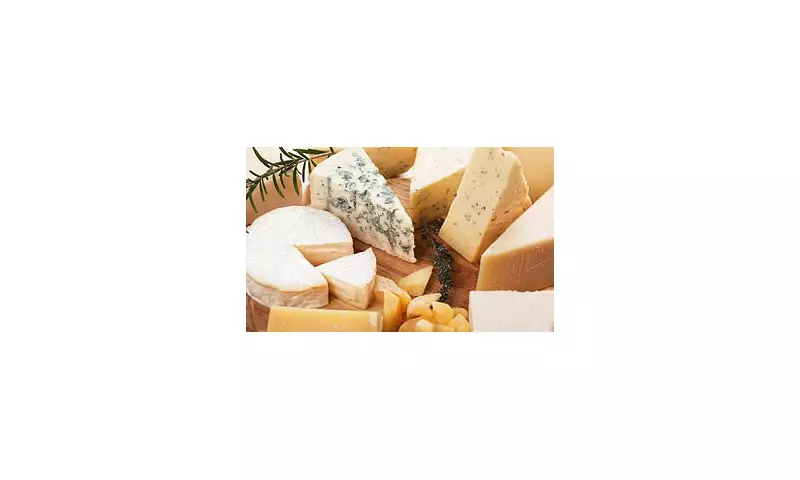
A major new study suggests that regularly enjoying high-fat dairy products like cheese and cream could be linked to a significantly lower risk of developing dementia.
The Swedish Study's Surprising Findings
Researchers from Lund University in Sweden tracked the health and dietary habits of over 27,000 middle-aged adults for a period of 25 years. Their findings, published in the journal Neurology, challenge some long-held assumptions about fat and brain health.
The data revealed that participants who consumed around 20 grams of high-fat cream daily—equivalent to roughly one and a half tablespoons—had a 16% lower risk of dementia compared to those who consumed none. Meanwhile, eating 50 grams of cheese per day was associated with a 13% reduced risk versus those who ate less than 15 grams daily.

Over the quarter-century follow-up, 3,207 people in the study developed dementia. After accounting for other influencing factors, the analysis showed that those who ate more high-fat cheese had a striking 29% lower risk of vascular dementia, the second most common form after Alzheimer's. A lower risk of Alzheimer’s disease was also noted, but this was only observed in individuals not carrying the APOE e4 gene variant, a known genetic risk factor.
Experts Urge Caution Over Results
While the results are intriguing, independent experts not involved in the research have urged the public to interpret them with care. They highlight that the study is observational, meaning it can show a link but cannot prove that cheese and cream directly cause the reduced risk.
Professor Naveed Sattar, an expert in cardiometabolic medicine at the University of Glasgow, pointed out a potential confounding factor: "Individuals who consumed more high-fat cheese and cream were, on average, better educated. This raises the possibility that other 'healthy' characteristics... may explain the lower dementia rates observed."
He and others stressed that proven strategies for reducing dementia risk—such as maintaining a healthy weight, controlling blood pressure, not drinking excessively, and preventing heart disease—should remain the priority.
Balancing the Dietary Advice
Professor Emily Sonestedt, a nutrition and public health expert at Lund University and co-author of the study, reflected on the implications. "For decades, the debate over high-fat versus low-fat diets has shaped health advice, sometimes categorising cheese as an unhealthy food to limit," she said. "Our study found that some high-fat dairy products may actually lower the risk of dementia, challenging some long-held assumptions."
The researchers theorise that cheese may contain specific nutrients that support brain function, but they acknowledge that more studies are needed to confirm this. It is also important to note current NHS guidance, which recommends limiting cheese intake to around 30 grams per day due to its saturated fat and salt content.
The study found no protective association between dementia and low-fat dairy products, milk, butter, or fermented milk.
Dementia is a pressing issue in the UK, affecting roughly one in 11 people over 65 and claiming an estimated 76,000 lives annually. The Alzheimer's Society estimates the condition costs the UK economy a staggering £42 billion per year, a figure projected to double by 2040.