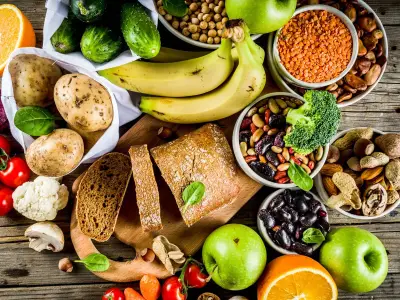
Blueberries, kale, and quinoa dominate the superfood conversation, but experts argue that several traditional British foods, once staples of the national diet, offer comparable nutritional benefits. Peas, prunes, and other overlooked ingredients are being rediscovered for their health potential, challenging the notion that superfoods must be exotic or trendy.
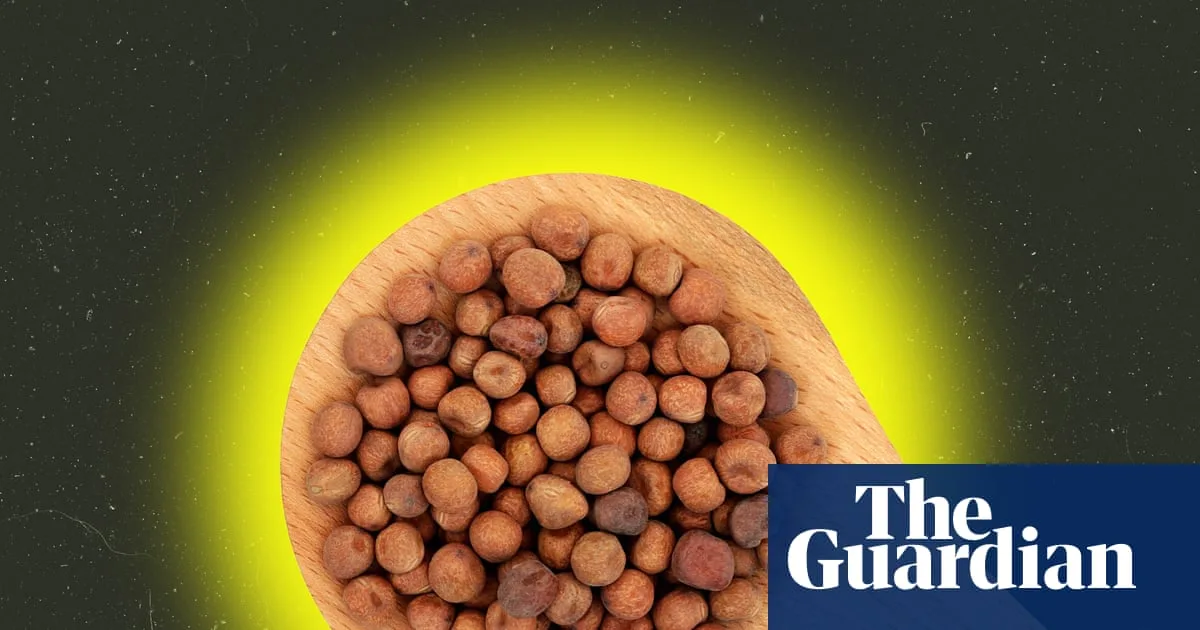
Dried peas, particularly carlin and marrowfat varieties, are described as 'criminally overlooked' by Josiah Meldrum, co-founder of Suffolk-based pulse specialist Hodmedod's. Carlin peas, a dark-skinned pea common across northern Europe, are high in fibre and plant-based protein. Marrowfat peas, used for mushy peas, can be treated like avocado on toast. Meldrum notes that peas were among the first crops grown by Neolithic farmers in the UK but became stigmatised due to their association with poverty as the country industrialised.
Prunes, often dismissed as old-fashioned, were popular during Elizabeth I's reign and in Victorian England as devils on horseback. Nutritional therapist Xuxa Milrose highlights their high fibre and polyphenol content, along with sorbitol, which aids digestion. Registered dietitian Bini Suresh points to emerging research suggesting regular prune consumption may benefit postmenopausal women, though the fruit's reputation as a natural laxative may have contributed to its decline in popularity.

Experts stress that no single food is a magic bullet. 'The real superingredient is diversity,' says Meldrum. With UK fibre intake below the recommended 30g per day, traditional pulses like peas are increasingly relevant. By reintegrating these forgotten foods, Britons could improve their diets without relying on expensive imports.