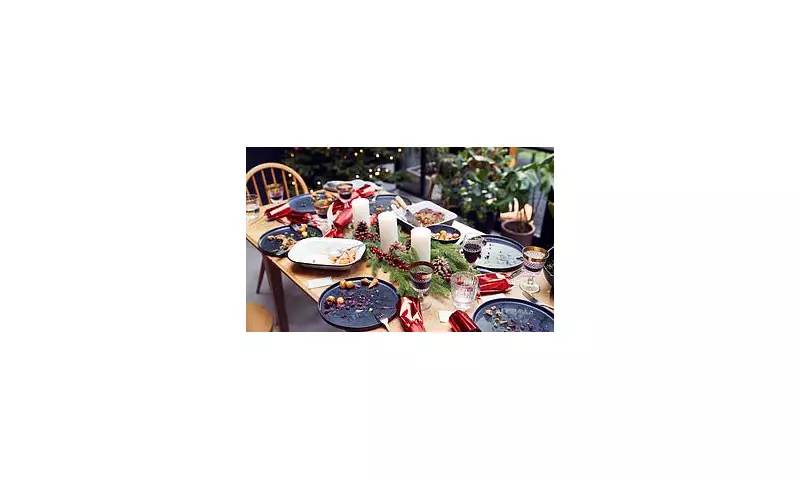
Food safety experts have issued a stark warning that enjoying Christmas leftovers days after the celebrations could lead to severe illness. The Food Standards Agency (FSA) has updated its festive guidance, highlighting a dozen common kitchen errors that may 'ruin Christmas' for millions.
The Hidden Dangers on Your Christmas Plate
According to the FSA, Britons are a 'nation of festive food gamblers', often taking risky shortcuts that could leave themselves, family, and friends seriously unwell over the holidays. The agency stresses that for vulnerable groups—including pregnant women, older people, and those with weakened immune systems—the risks are significantly greater.
A key mistake involves mishandling leftovers. Instead of leaving them to sit out for hours, cooked food should be allowed to cool at room temperature before being placed straight into the fridge or freezer. Putting hot food directly into the fridge or leaving it unchilled raises the likelihood of spoilage, encouraging harmful bacteria like salmonella and campylobacter to multiply rapidly. These pathogens can trigger diarrhoea, nausea, and vomiting.

Turkey Troubles and Other Festive Fails
The FSA's list of 'festive food fails' is extensive. A major concern is improper turkey handling. A typical large frozen turkey, weighing around seven kilograms, can take up to four days to fully defrost in a fridge at 5°C, and requires at least three hours to cook. Yet, nearly two-thirds of people admit to defrosting poultry on the kitchen worktop at room temperature, which can cause uneven cooking and prevent the meat from reaching safe temperatures throughout.
Other widespread errors include:
- The Dairy Date Gamble: Eating dairy products like cream and cheese past their use-by dates because they appear fine (51% of people).
- The Buffet Blunder: Leaving buffet food out at room temperature for four hours or more (36%).
- The Allergy Amnesia: Not asking guests about allergies or dietary requirements before the big day (30%).
- The Unwashed Utensil: Reusing knives or utensils for raw meat and other foods without thorough cleaning.
Staying Safe: Practical Steps for a Healthy Holiday
The FSA provides clear guidance to mitigate these risks. Fridge temperature is critical; it should remain below 5°C to inhibit bacterial growth, which thrives between 8°C and 63°C. Cooked turkey can be frozen for up to six months, but once defrosted, it must be eaten within 24 hours and never re-frozen.
Cooked fish and meat can be safely kept in the fridge for three to four days, while cheese lasts longer than cream or custard. The agency also emphasises the severe danger of allergic reactions, urging hosts to check with guests in advance. Anaphylaxis, the most severe reaction, can make breathing impossible and cause cardiac arrest.
Official statistics suggest around 70,000 people in England and Wales seek medical advice for food poisoning over Christmas. However, the FSA believes the true figure could be as high as 2.4 million, as many cases go unreported. By following simple food safety rules, families can ensure their festive season is remembered for joy, not illness.