Menopause awareness has increased thanks to celebrities like Davina McCall and Patsy Kensit, but many women still struggle with symptoms. A recent study commissioned by Kalms found that 83 per cent of menopausal women experienced stress and anxiety in the past year, with a quarter suffering daily. Over six in ten find it hard to manage worry or fear, and more than a third have avoided work promotions due to anxiety.
Dr Rosie Khan, a GP specialising in menopause and lifestyle medicine, notes that many women do not connect anxiety with menopause, focusing instead on physical symptoms such as hot flushes and sleep disturbances. She explains that declining oestrogen and progesterone levels affect serotonin, a key mood-regulating neurotransmitter, contributing to increased anxiety. While medication can help, lifestyle changes and natural approaches are also effective.
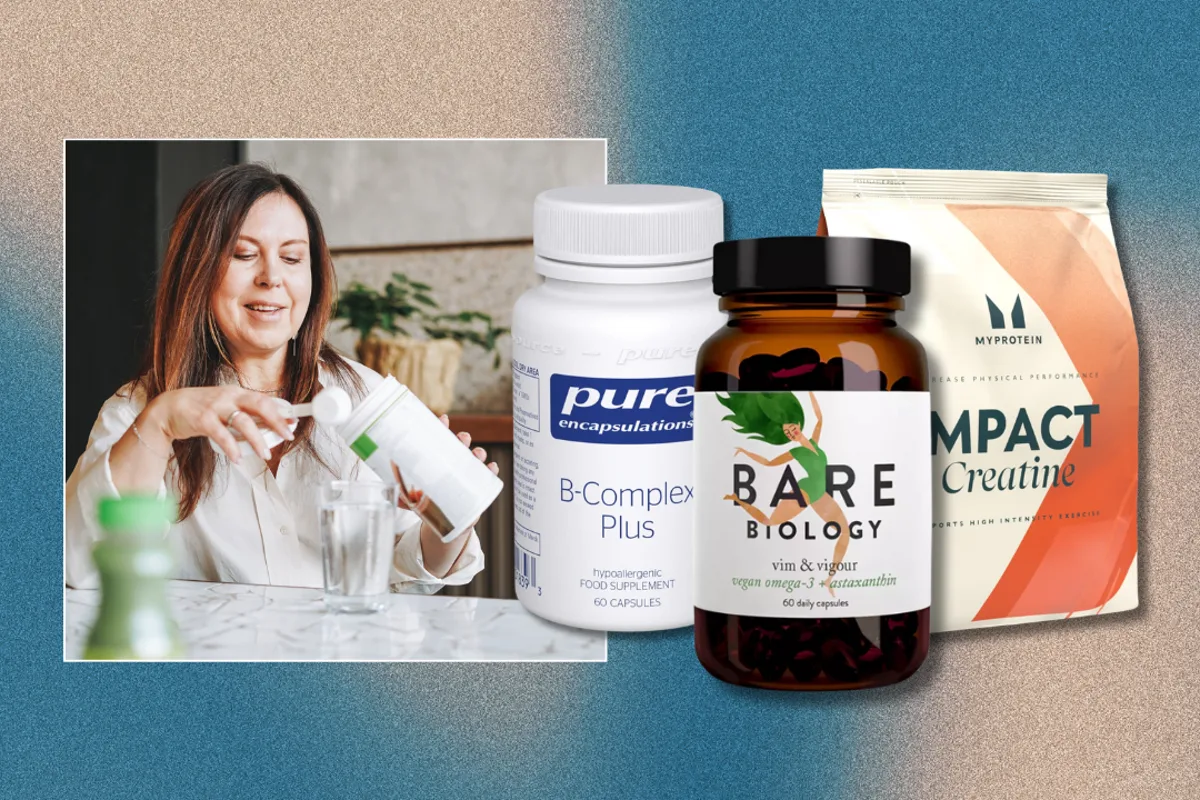
Emma Bardwell, a specialist menopause nutritionist, emphasises the importance of diet, particularly adequate protein, calcium and fibre. When it comes to supplements, she warns that many products marketed for menopause may contain poor-quality ingredients or interact with hormone replacement therapy (HRT). The term 'meno-washing' has emerged as a concern, where products claim unsubstantiated benefits.
Emilie Lavinia, fitness and wellbeing editor at The Independent, consulted Bardwell and Dr Khan for this guide. They evaluated supplements based on quality, dosage and suitability for menopausal symptoms, aiming to help readers navigate the market and avoid misleading products.