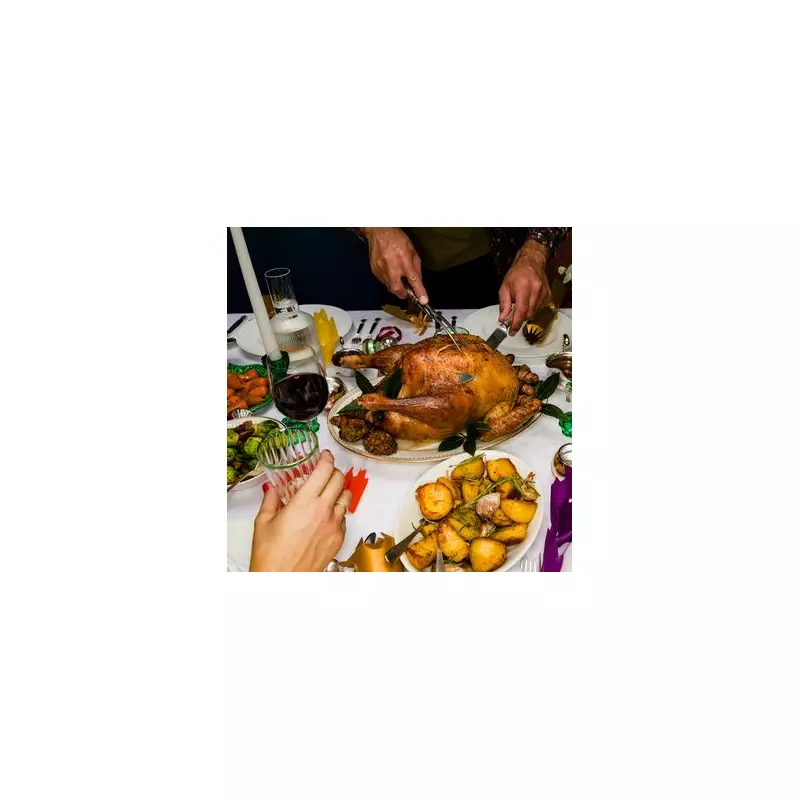
As Christmas Day approaches, households across the UK are finalising plans for the centrepiece of the celebrations: the festive feast. A familiar scene will follow in living rooms nationwide – the post-lunch slump, with at least one relative dozing on the sofa. For generations, the blame for this 'food coma' has been laid squarely at the door of the roast turkey, but is this festive favourite truly a sedative in disguise? Two leading medical professionals have now delivered their definitive verdicts.
The Truth About Turkey and Tryptophan
The long-held belief stems from turkey containing the amino acid tryptophan, which is involved in the production of the sleep-regulating hormone melatonin. However, experts confirm that the amount present in your Christmas plate is unlikely to be the culprit.
Dr Crystal Wyllie, clinical lead at the online medical practice Zava, states that while turkey does contain tryptophan, it is not particularly rich in it compared to other meats. "You’d have to eat a large amount to have a ‘sleepy’ or ‘sedated’ effect," she explains. "That post-dinner drowsiness is likely down to overeating, carbohydrate load, alcohol or blood flow shifts to digestion."

This view is echoed by Dr Federica Amati, head nutritionist at the science and nutrition firm Zoe. She acknowledges the presence of tryptophan but clarifies its impact: "There is a lot of tryptophan in turkey... but actually there's not enough tryptophan in turkey to induce sleepiness. So it's more to do with how much you ate than the turkey and its chemical properties."
The Sleep Foundation supports this, noting that while tryptophan consumption can aid sleep quality over time, it "isn’t likely to cause a person to need an immediate nap, despite the lore."
Debunking Other Common Christmas Health Myths
Dr Wyllie also addressed several other pervasive health myths that circulate during the festive season, providing science-backed clarifications.
Cold weather makes you sick: Dr Wyllie confirms that cold temperatures themselves cannot cause viral infections. Winter illness spikes occur because viruses survive longer in the cold and people gather indoors more, facilitating spread.
You should detox in January: "There is little to no scientific evidence that a detox diet will flush out the ‘December toxins’ or ‘reset’ your body," says Dr Wyllie. She emphasises that your liver, kidneys, and gut perform this function naturally, and such diets can risk nutrient deficiencies or disordered eating.
Late-night dinners cause weight gain: Weight management is about overall calorie intake, not meal timing. "If what and how you eat stays within your energy balance, the timing of your meals shouldn’t cause or ‘guarantee’ weight gain, in the short term," she advises.
Alcohol warms you up: This is a dangerous misconception. Alcohol causes blood vessels to dilate, creating a fleeting sensation of warmth but actually accelerating heat loss and reducing core body temperature, thereby increasing the risk of hypothermia.
Sugar makes children hyperactive: "Clinical trials have [found] no significant association between sugar intake and hyperactivity," Dr Wyllie states. Excitement, sleep disruption, and overstimulation are far more likely causes of energetic behaviour.
Cranberry sauce can cure UTIs: While cranberry products may help reduce bacterial adhesion in the urinary tract, they cannot treat an active infection, which requires prescribed antibiotics.
Christmas leftovers are unsafe after Boxing Day: Safety depends on proper storage, not a fixed timeline. "Christmas leftovers are typically safe to eat for up to three to four days," Dr Wyllie confirms, warning that bacterial growth accelerates if food is cooled slowly or stored at incorrect temperatures.

The Real Cause of the Festive Snooze
In conclusion, the iconic Christmas turkey has been unfairly accused for decades. The real reasons for the post-dinner lethargy are far more straightforward: consuming a large, carbohydrate-heavy meal, often accompanied by alcohol, in a warm, relaxed setting. The body's natural redirection of blood flow to aid digestion also plays a key role. So, when someone nods off during the Queen's speech this year, you can confidently absolve the turkey – it's simply a case of festive indulgence taking its natural course.