As festive menus are planned across the country, a GP has issued timely advice for the millions of Britons managing a common digestive condition. With an estimated one in five people in the UK suffering from Irritable Bowel Syndrome (IBS), the traditional Christmas feast can be a minefield of potential triggers.
Navigating the Festive Food Trap
Dr Claire Merrifield, a GP at Selph, highlights the seasonal challenges. "Fatty foods and alcohol are common triggers of IBS, which can make Christmas a very difficult time for those that suffer with it," she explains. The period is often laden with high-FODMAP foods—fermentable carbohydrates that can cause gas and bloating—such as onions, garlic, and certain sweeteners.
Dr Merrifield specifically points to rich indulgences. "Fatty foods like cheese and chocolate, which are hard to avoid over the festive period, might increase symptoms of IBS, in particular abdominal pain related to eating."

The Great Sprout Swap
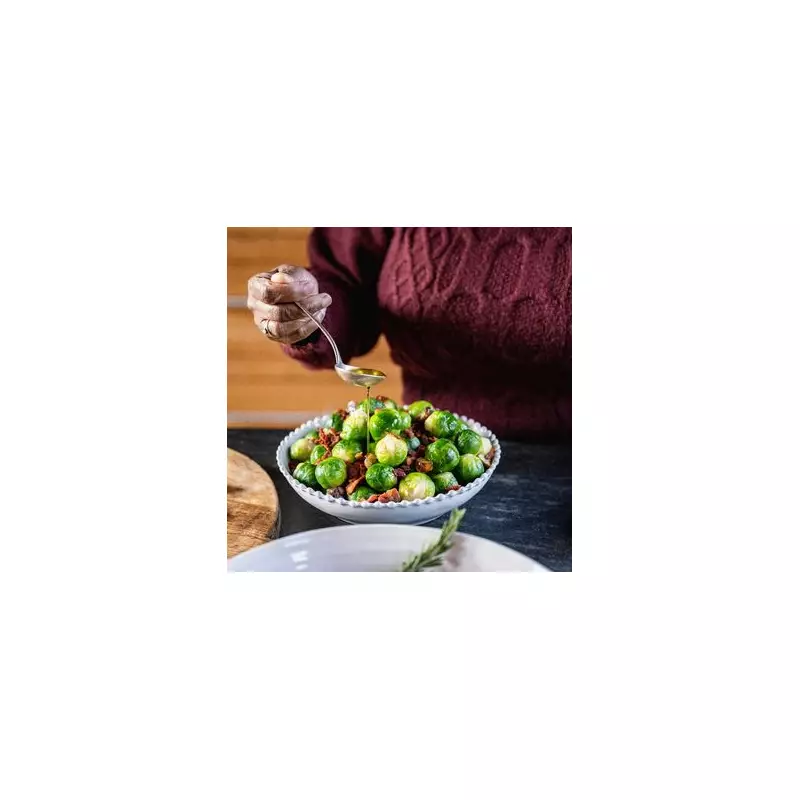
The advice takes aim at a Christmas dinner staple: the Brussels sprout. Despite being low in FODMAPs, these brassica vegetables are notorious for causing wind due to their high fibre content. "Although they're high in vitamins and antioxidants, they contain a lot of fibre which is fermented by bacteria in our colon, leading to the production of gas," Dr Merrifield states.
Her simple recommendation is to swap them out. "Try swapping out Brussels sprouts for a less gassy alternative, like carrots or green beans. The rest of the dinner table might even be jealous!"
Mindful Choices for a Comfortable Celebration
Beyond the vegetable dish, Dr Merrifield suggests a multi-pronged approach to managing IBS during the holidays:
Reduce Fatty Foods: Opt for lighter dessert and snacking options where possible, and practice mindfulness with treats. "Do you really want that whole chocolate orange right now? Or can you just have a small segment and really enjoy it?"
Cut Down on Booze and Caffeine: Alcohol, tea, and coffee can all provoke symptoms. Stocking up on non-alcoholic or decaffeinated alternatives is wise. She recommends fruit-infused water for hydration and notes that peppermint tea can help with abdominal pain.
Wear Loose-Fitting Clothing: Prioritise comfort over fashion. Tight waistbands can hinder digestion and lead to painful trapped wind after a large meal.
Manage Stress: Acknowledging that Christmas can be stressful, Dr Merrifield advises weaving in brief mindful pauses. She suggests the "3-4-5" breathing technique: breathe in for three seconds, hold for four, and exhale for five. "The more you can ground yourself in the present moment, the less feelings of anxiety and worry you'll tend to experience."
With these practical adjustments, the estimated millions dealing with IBS in the UK can focus more on enjoyment and less on discomfort this festive season.