A dietician has highlighted four types of food that are best for people with high blood pressure, drawing on the DASH diet (Dietary Approaches to Stop Hypertension). Victoria Taylor, Senior Dietitian at the British Heart Foundation (BHF), outlined the food groups shown to be beneficial for managing the condition.
Understanding High Blood Pressure
High blood pressure, also known as hypertension, is very common, particularly in older adults, and "can lead to serious problems like heart attacks or strokes", the NHS website explains. "There are usually no symptoms, so you may not realise you have it," it adds. It is often referred to as a "silent killer" as people often do not know they have it until it leads to other serious health problems.
Research by the University of Oxford, released in September, suggested that only around half of people being treated by their GP for the condition have it under control. The study, which involved 1.4 million adults, also found that most people in England living with high blood pressure are not aware they have it, which puts them at increased risk of suffering strokes, heart attacks, and premature death.
The Four Food Types
The first food type is fruit and vegetables. Ms Taylor noted that research has suggested beetroot juice may help lower blood pressure due to being rich in nitrates. When consumed, nitrates are converted into nitric oxide, which acts as a natural "vasodilator", the name given to substances or medicines that help dilate your blood vessels. However, other options like celery, kale, strawberries and bananas also contain nitrates, she explained.
Additionally, fruit and veg are a source of potassium too, which is also good for addressing hypertension, and is best ingested as food "rather than supplements", she said. Ms Taylor notes that having too much potassium in your diet can be harmful, particularly for those with kidney problems and taking certain water tablet medication, so supplements should only be taken if prescribed by your doctor. She recommends trying to get at least five portions of them a day in line with NHS guidance.
The DASH diet also includes lean protein, which can make you feel full whilst being "lower in calories than fattier source", which can help with weight management—itself helpful for lowering blood pressure. She recommends avoiding red and processed meats and instead going for things like turkey, chicken, fish, eggs, and beans.
Wholegrains and Low-Fat Dairy
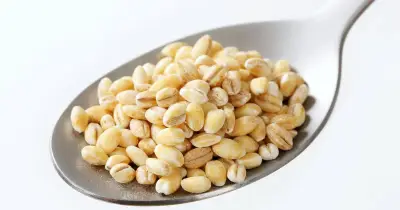
Wholegrains are another pillar of the diet. Ms Taylor suggested steering clear of refined starchy carbs and going for things like brown rice, wholemeal bread and oats. They are richer in nutrients and fibre, which is known to have heart health benefits. Having fibre in your diet can also be beneficial for weight loss.
Finally, the diet includes low-fat dairy, which could help lower blood pressure if consumed as part of a balanced diet. She explained that these products "contain a complex combination of nutrients, including calcium which has been linked to blood pressure reduction".
Obviously, make sure any additions to your diet are not going to cause an allergic reaction, and seek medical advice about what approaches for addressing high blood pressure will be suitable for you.