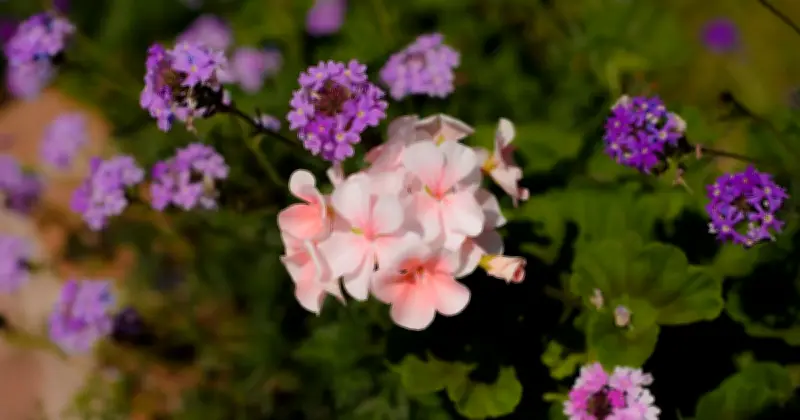
As temperatures begin to drop, gardeners should check their pots and borders for tender plants that could be damaged by the first frosts. The Royal Horticultural Society (RHS) advised that vulnerable varieties may need to be moved to a frost-free spot or lifted for winter storage.
While the weather can remain mild in parts of the UK well into November, bringing the right plants under cover before temperatures plummet can help to protect them from the cold. Doing so can give them a better chance of returning next spring.
Pelargoniums and tender fuchsias
Pelargoniums, often sold as tender geraniums, are popular summer bedding plants, known for their colourful flower clusters and long-flowering season. However, despite their ability to cope with dry conditions, they are not frost-hardy and can be damaged or killed if left outside when temperatures fall below freezing.
The RHS recommended bringing these plants indoors or into a light, frost-free space for winter, making them one of the first varieties to check on before November. Before bringing them inside, remove dead flowers and damaged leaves, and check the compost for excessive moisture.
Fuchsias are a favourite for summer containers and hanging baskets, producing distinctive, dangling flowers in shades of pink, purple, red and white. However, tender varieties need protection from freezing temperatures if they are to survive until the next growing season.
According to the RHS, tender fuchsias should be overwintered in a frost-free place, such as a greenhouse, conservatory or suitable indoor growing area.
Citrus trees and tender begonias
Lemon, lime and orange trees can bring a Mediterranean feel to patios and gardens, but many container-grown citrus plants are vulnerable to cold weather. A sudden drop in temperature can damage foliage and compromise the plant, particularly if it is young or already stressed.
The RHS advised that citrus plants are overwintered in a cool conservatory where temperatures remain even. A bright, cool space is generally preferable.
Begonias can provide vibrant colour in summer beds, pots and hanging baskets, but tender varieties are at risk when autumn temperatures fall. Tuberous begonias, in particular, can be saved from year to year by lifting and storing their underground tubers.
The RHS recommended lifting tender tuberous plants for winter storage rather than leaving them exposed to freezing conditions.
Tropical hibiscus care
Tropical hibiscus is loved for its large, colourful flowers and glossy foliage, making it a striking addition to any garden. However, it is a tender plant and can often not survive the UK weather.
The RHS listed this plant among those suited to a conservatory where temperatures are kept at around 10°C. Before moving the plant inside, check the leaves and stems for pests, remove any dead growth and make sure the pot drains freely.
Hibiscus may drop leaves as it adjusts to a change in conditions, but this does not mean the plant is dying. Keep conditions as stable as possible and monitor them.