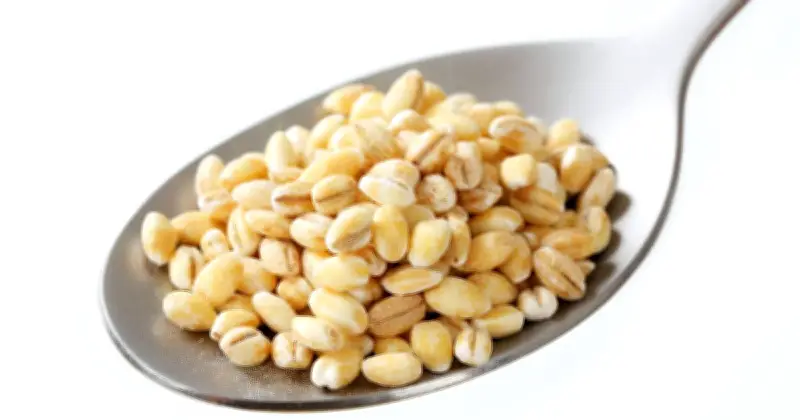
Pearl barley, a budget-friendly kitchen staple costing just 12p per serving, can help lower 'bad' LDL cholesterol levels, according to preventive cardiologist Dr Francesco Lo Monaco.
Nearly half of all UK adults—roughly 45% to 50%—are currently living with high cholesterol, according to figures from HEART UK and the British Heart Foundation. High cholesterol significantly increases the risk of heart attack or stroke due to its impact on blood vessels.
How Pearl Barley Works
Pearl barley is rich in beta-glucan, a soluble fibre that reduces cholesterol absorption in the digestive system. During digestion, this fibre forms a gel-like consistency that binds to cholesterol and bile acids, preventing them from entering the bloodstream. The liver then extracts additional cholesterol from the blood to compensate, lowering total and LDL cholesterol levels.
A 500g bag of pearl barley costs £1.20 at Sainsbury's, meaning a 50g dry serving costs just 12p. The bag offers approximately 10 servings, making it a cost-effective way to bulk out meals while boosting fibre intake.
Expert Recommendation
Dr Lo Monaco, founder of The National Heart Clinic, said: "People often think looking after their heart means buying expensive supplements or completely overhauling their diet. But some of the most practical changes start with ordinary foods you can pick up for very little money."
He added: "Pearl barley is a brilliant example of an overlooked food that offers real nutritional value without costing a fortune. It is affordable, filling and easy to add to soups, stews and casseroles. Swapping it for some of the rice or pasta you would normally eat is a simple way to introduce more fibre into your diet."
Consuming 3 grams of beta-glucan daily is officially recognised by health authorities as delivering cardiovascular benefits. Pearl barley is endorsed by bodies including the Food and Drug Administration (FDA) and HEART UK for lowering cardiovascular risk.
Can It Postpone Medication?
Incorporating pearl barley may help reduce LDL cholesterol before medication such as statins becomes necessary, but its effectiveness depends on existing cholesterol levels and overall cardiovascular risk. If cholesterol is slightly elevated with no history of cardiac issues, dietary modifications and lifestyle improvements are typically recommended first. However, if cholesterol is predominantly hereditary or risk is significant, dietary changes alone may be insufficient, and GPs will likely prescribe statins alongside nutritious foods.
Dr Lo Monaco emphasised: "Changing what you eat can help, but it is not a substitute for medication when medication is needed. If you have been told your cholesterol is high, speak to your healthcare professional about your overall risk and the best way to manage it."
Other Cholesterol-Lowering Foods
Other affordable foods that can help reduce cholesterol include beans and lentils, which are low in saturated fat and high in fibre; ground linseed, which provides fibre and plant-based omega-3; carrots, which contain soluble fibre; and apples, which contain pectin, a soluble fibre that can help lower cholesterol.
To lower cholesterol naturally, experts advocate a combined approach such as the Portfolio Diet, which can decrease LDL cholesterol by 13% to 30% within 2 to 12 weeks. This involves consuming 10 to 20 grams of soluble fibre daily, taking 1.5 to 3 grams of plant sterols, eating a handful of tree nuts, and replacing animal proteins with soy and other plant-based alternatives. Cutting back on saturated fats and pairing dietary changes with at least 150 minutes of moderate aerobic activity each week can optimise the liver's ability to process fats. While pearl barley can help reduce LDL cholesterol, it remains a moderate dietary step rather than a complete substitute for statins if facing high cardiovascular risk.