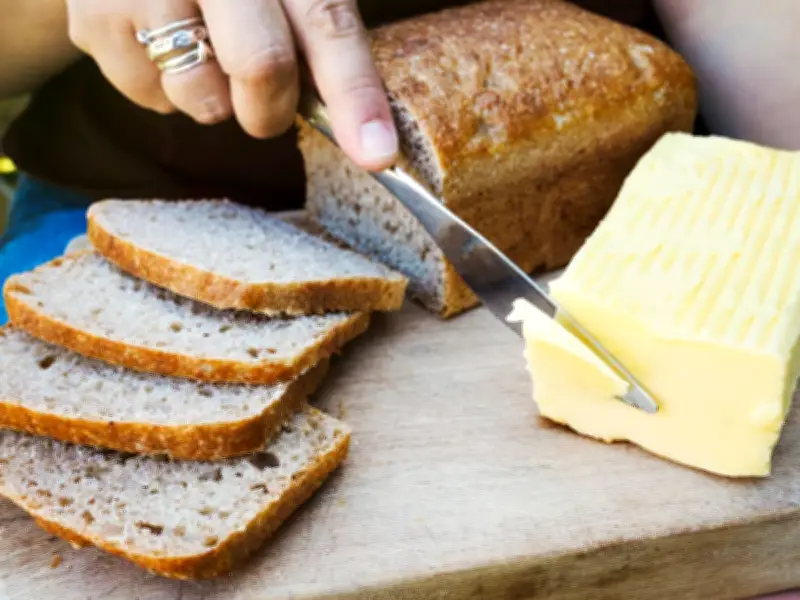
When faced with the choice between butter and margarine in the supermarket aisle, many consumers often question which option is healthier, more flavourful, and superior for culinary purposes. The discussion surrounding which product shoppers ought to select has persisted for decades.
While they may appear alike and can be challenging to distinguish on the shelves, they are produced from different components and possess unique nutritional characteristics.
Both are fats that can be used as spreads on bread and contain comparable amounts of fat. However, there are notable distinctions.
Understanding these differences can help Britons make well-informed decisions about baking, spreading, and daily cooking.
What is butter?
Butter is a natural dairy product created by churning cream or milk until the fat separates from the liquid. It has been utilised in cooking and baking for centuries and is prized for its rich flavour and creamy texture.
It contains milk fat, small amounts of water, and often trace amounts of milk proteins. Block butter isn't always easy to spread, and easily spreadable butters often contain other ingredients, such as oils. Because it is derived from animal products, butter contains saturated fat and cholesterol.
You can even make your own butter at home using just double cream if you wish to give it a try.
What is margarine?
Margarine was initially developed as a more affordable substitute for butter. It is manufactured primarily from vegetable oils such as sunflower, rapeseed, soybean or palm oil.
Common components include vegetable oils, water, emulsifiers, vitamins, salt and flavourings. Numerous brands are additionally enriched with vitamins A and D to replicate those naturally present in butter.
Which is healthier?
According to the British Heart Foundation, both products are classed as processed foods, while margarine is regarded as an ultra-processed food. They said: "Numerous studies have linked ultra-processed foods with poor health, including obesity, type 2 diabetes and heart disease. However, the research remains undetailed. We need to avoid all ultra-processed foods."
Margarine boasts a more favourable fat composition than butter, containing higher levels of unsaturated fat and lower levels of saturated fat, which may help reduce blood cholesterol levels.
The question of which option is healthier ultimately depends on your individual dietary requirements. For those seeking to adopt a vegan lifestyle or cut down on animal-derived products, margarine is often the preferred option.
When it comes to baking, butter is frequently the go-to ingredient, as it delivers a richer taste and plays a significant role in determining the texture of cakes, biscuits and cookies.