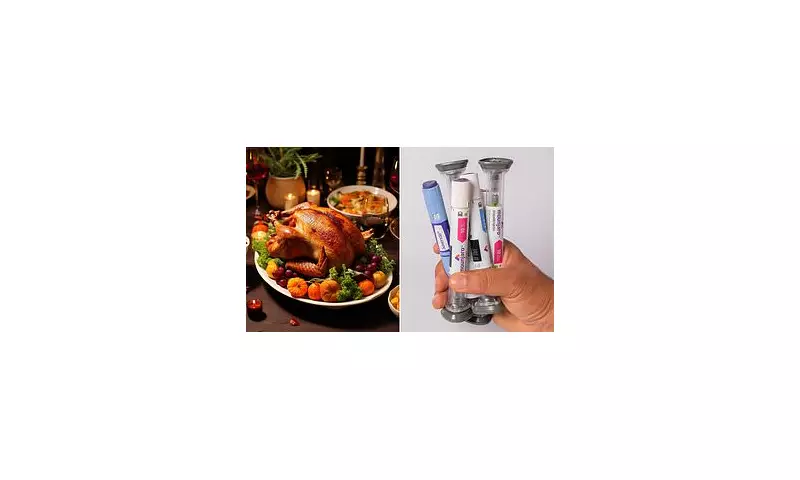
A leading NHS doctor has issued a crucial Christmas warning for the hundreds of thousands of Britons using popular weight-loss injections. Dr Crystal Wyllie, a GP who also works with the private online healthcare provider Zava, has identified six classic festive foods that could lead to severe digestive discomfort for those on medications like Ozempic, Wegovy, and Mounjaro.
Why Festive Feasts Pose a Higher Risk
Dr Wyllie explains that the mechanism of these GLP-1 agonist drugs, which work by slowing down stomach emptying, makes rich, fatty, or sugary foods particularly problematic. "When the digestive system is already moving more slowly, heavy festive foods can sit in the stomach for longer than usual," she stated. This delayed digestion commonly results in a host of unpleasant side effects including bloating, reflux, wind, sulphur burps, nausea, diarrhoea, and occasionally vomiting.
The risk is amplified during the Christmas period when indulgence is common. However, Dr Wyllie offers a pragmatic approach: complete avoidance isn't always necessary. "Smaller servings are gentler on a slowed digestion," she advises, recommending eating slowly, stopping at the first sign of fullness, and spacing out richer foods throughout the day.

The Six Foods to Approach with Caution
Dr Wyllie's list targets traditional Christmas favourites that are high in fat, sugar, or dense protein. Here are the six items she suggests limiting or consuming in much smaller portions.
1. Pigs in Blankets: This staple is a double threat due to the high-fat combination of sausage and bacon. "They are high in fat and salt, which sit heavily in the stomach," Dr Wyllie said. This can worsen nausea and vomiting. Her alternative is to opt for lean turkey sausages or have a single small portion alongside plenty of vegetables.
2. Roast Potatoes Cooked in Goose Fat: The extreme richness of goose fat can cause an uncomfortable 'food sitting' feeling and sudden queasiness. She recommends roasting potatoes in olive oil instead, or balancing the meal with a mix of roasted and steamed potatoes.
3. Large Portions of Meat: Dense proteins like roast meats require significant digestive effort. Large servings can overwhelm the slowed system, leading to stomach cramps, bloating, and nausea. Dr Wyllie advises choosing smaller servings of lean turkey breast or slow-cooked meats and spreading protein intake across the day.
4. Soft Cheeses: High-fat cheeses like brie and camembert are difficult to digest, especially after a big meal. Their richness and creaminess can linger, commonly triggering nausea and reflux. Consider a small amount of hard cheese or fruit as a safer alternative.
5. Brandy Butter: A traditional pudding topping, brandy butter is a potent mix of fat and sugar—the two biggest triggers for digestive upset on these medications. "The richness can overwhelm the stomach quickly, even in small amounts," warned Dr Wyllie. Lighter custard or a yoghurt-based topping is a gentler choice.
6. Yule Log: This dessert is dense, chocolate-heavy, and often filled with rich cream. The combination of slow digestion and a quick sugar spike can cause discomfort, bloating, and a subsequent energy crash, even from a small slice.
Navigating the Season Comfortably
The core message from Dr Crystal Wyllie is one of moderation and mindful eating. For users of GLP-1 weight-loss injections, the festive season doesn't have to be a minefield of discomfort. By understanding how these medications interact with rich foods, individuals can make informed choices. Prioritising smaller portions, leaner alternatives, and listening to the body's signals of fullness are the keys to a comfortable and enjoyable Christmas celebration without the unpleasant side effects.