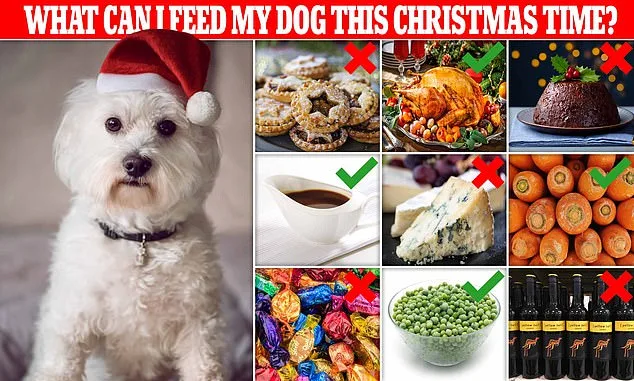
As the festive season arrives, our homes fill with tempting treats and indulgent meals. However, many of these seasonal delights pose a serious, even fatal, threat to our canine companions. Pet owners must be extra vigilant to prevent accidental poisoning during the celebrations.
Common Festive Foods That Are Highly Toxic
Chocolate is a well-known danger, but its risk escalates at Christmas. It contains theobromine, which dogs process very slowly. This leads to a toxic build-up that can cause vomiting, diarrhoea, dangerous seizures, and death. Dark chocolate and baking chocolate are the most hazardous.
Grapes and all dried fruits, including raisins, sultanas, and currants, are extremely toxic. They are found in many Christmas staples like mince pies, Christmas pudding, and fruit cake. Even a small amount can trigger acute kidney failure in dogs, which is often fatal.
Beyond the dried fruit, mince pies themselves are a dual threat. Their high fat and sugar content can cause severe pancreatitis and stomach upset. If your dog consumes any amount, contact your vet immediately, even if no symptoms are present.
Hidden Dangers in Holiday Ingredients
One of the most critical threats is Xylitol. This artificial sweetener is common in sugar-free baked goods, sweets, and some peanut butters. It is highly toxic to dogs, causing a rapid, life-threatening drop in blood sugar (hypoglycemia) and can lead to liver failure.
Blue cheese and other mould-ripened varieties are hazardous due to a fungus that produces roquefortine C, a neurotoxin. Ingestion can lead to vomiting, diarrhoea, tremors, and seizures, particularly in sensitive animals.
While trendy, avocado is dangerous for dogs. All parts contain persin, a fungicidal toxin that causes vomiting and diarrhoea. The high fat content risks pancreatitis, and the large pit is a major choking or intestinal blockage hazard.
Everyday Cooking Ingredients to Watch
Members of the Allium family—including onions, garlic, leeks, and chives—are toxic whether raw, cooked, or powdered. They are often found in holiday stuffing, gravy, and leftovers. These ingredients damage a dog's red blood cells, leading to symptoms like weakness, vomiting, and lethargy, and can cause life-threatening anaemia days later.
Vigilance is the key to a safe and happy Christmas for the whole family, including your four-legged members. Always keep dangerous foods out of reach and be prepared to contact your vet without delay if you suspect your dog has eaten something harmful.




