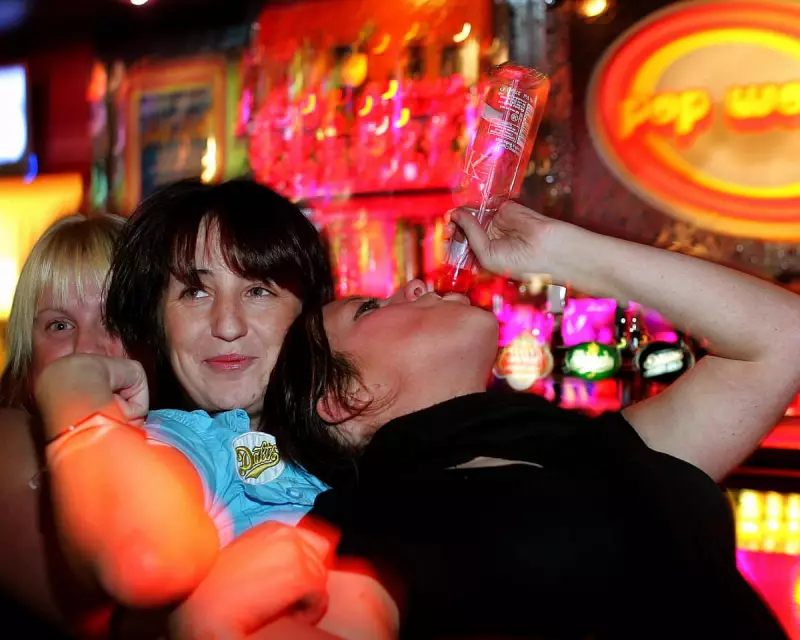
In a striking cultural shift, young Britons are increasingly turning away from alcohol, raising profound questions about the future of Saturday nights and social traditions in the United Kingdom. Recent official data from the NHS confirms what many have observed anecdotally: a nation once defined by its pub culture is sobering up.
The Sobering Statistics
A comprehensive NHS survey of 10,000 individuals has revealed that nearly a quarter (24%) of adults in England abstained from alcohol entirely in 2024. This marks a notable increase from just under one-fifth (19%) in 2022. The most dramatic change is visible among younger generations, with Generation Z showing the lowest proportion of frequent drinkers at just 10%. This contrasts sharply with 34% of 55 to 64-year-olds and 37% of those aged 65 to 74 who report regular consumption.
Cultural Transformation
The decline in drinking is not merely a statistical blip but represents a fundamental cultural transformation. For many young people, being "wasted" is no longer considered cool or desirable. While cost-of-living pressures play a role, the primary driver appears to be changing social attitudes and health consciousness.

This shift presents both challenges and opportunities. On one hand, reduced alcohol consumption promises significant public health benefits, potentially easing the £4.9 billion annual burden that alcohol-related illnesses place on the NHS. On the other, it forces a reimagining of British social life that has been intertwined with drinking for generations.
Generational Divide
The contrast between generations is particularly striking. Many Generation X individuals, now deep into middle age, have significantly reduced their alcohol intake, often citing health concerns and changing metabolisms. However, the younger generations are taking this trend much further, embracing near-total abstinence as a lifestyle choice rather than a necessity.
Women are slightly less likely to drink than men according to the survey, but the most significant demographic divide remains age-based. The data suggests we are witnessing not just a temporary trend but a permanent cultural realignment.
Redefining Nightlife
As alcohol recedes from its central position in British social life, questions naturally arise about what will replace it. What will Saturday nights look like without the traditional trajectory from pub to club to sofa? Where will young people find their "war stories" and shared experiences if not through alcohol-fuelled misadventures?
Some point to the rise of alternative social activities like saunas, wellness pursuits, and sophisticated non-alcoholic beverage options. Others wonder whether digital connections will replace physical ones, or whether new forms of communal experience will emerge to fill the void left by declining pub culture.
Health Implications and Public Policy
While the reduction in drinking is undoubtedly positive for public health, experts caution against complacency. Even with these encouraging numbers, alcohol-related illnesses continue to place substantial strain on healthcare services. The challenge for policymakers will be to support this cultural shift while addressing the needs of those who still struggle with alcohol dependency.
The NHS survey provides valuable data for shaping future public health initiatives, suggesting that targeted interventions for older demographics might yield significant benefits while younger generations continue their voluntary reduction.
Personal Reflections on a Changing Culture
For many Britons, the decline in drinking prompts personal reflection on changing social norms. Parents wonder what their children's social lives will look like without the rituals that defined their own youth. There's nostalgia for certain aspects of drinking culture, even while acknowledging its dangers and costs.
As one observer noted, the image of young people "lying half off the sofa crying to Elaine Paige" might become a historical curiosity rather than a common experience. The challenge for future generations will be creating new traditions and shared experiences that don't rely on alcohol as their foundation.

This cultural shift represents more than just changing drinking habits; it signals a broader transformation in how Britons socialise, connect, and define themselves. As the nation navigates this transition, the fundamental question remains: what will replace alcohol as the social lubricant that has defined British culture for centuries?