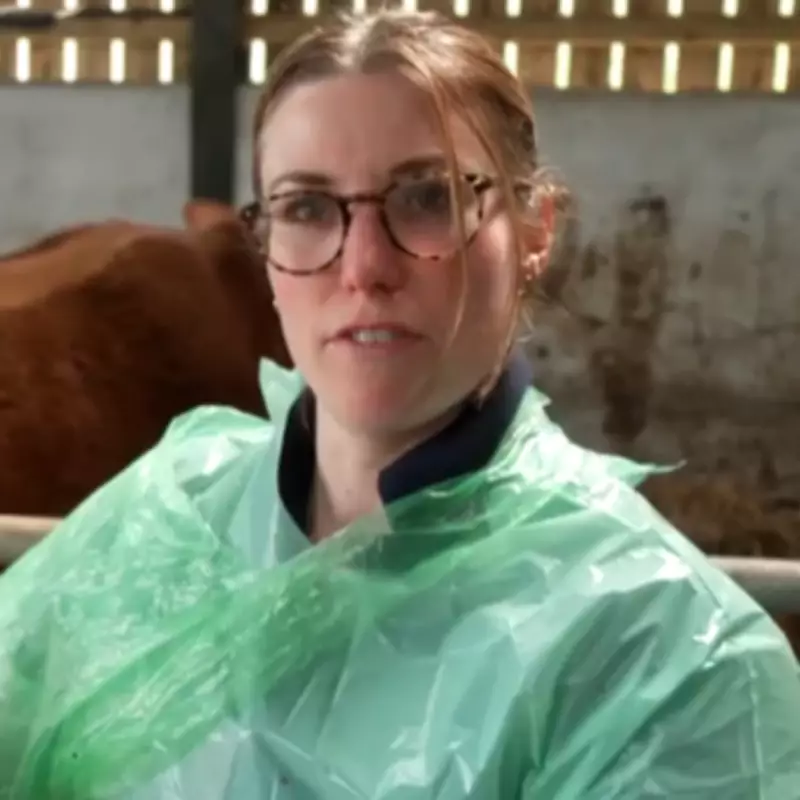
In a dramatic and life-saving intervention, Yorkshire Vet star Shona Searson was called to an urgent farm emergency during Tuesday's episode of the hit Channel 5 show. The incident, which aired on February 24, saw Searson racing against time to rescue a suffocating calf from a complicated breech birth, showcasing the critical moments that define veterinary care.
Emergency Call from a Worried Farmer
The episode began with Searson receiving a distress call from Huddersfield farmer Chris, who was deeply concerned about one of his cows, a first-time mother struggling to give birth. Chris explained that upon examination, he suspected a breech presentation, where the calf was positioned backwards, and the cow lacked the natural pushing sensation needed for a safe delivery. This set the stage for a high-stakes rescue mission.
Assessing the Situation and Immediate Action
Searson swiftly arrived at the farm from her Huddersfield practice and conducted a rapid assessment of the cow. She noted that the animal had limited pelvic space, complicating the birth further. To safely extract the calf, Searson attached a rope to its legs from inside the womb, allowing for careful manoeuvring. She remarked, "I don't think the calf's the problem with this one, I think it's her," highlighting the mother's physical constraints.

The Dangers of a Breech Birth Explained
During the episode, Searson detailed the inherent risks of breech births, which are more challenging than forward presentations. She explained, "They don't come out quite as easily backwards as they do forwards. Their ribs can be a bit wider because they're coming out the wrong way, so when they come out backwards, sometimes they can get a bit stuck on the rib." This anatomical issue increases the likelihood of the calf becoming trapped.
More critically, Searson emphasised the time-sensitive nature of such deliveries. Once the umbilical cord is compressed or severed, the calf loses its oxygen supply from the mother. In a breech birth, where the head emerges last, the calf cannot breathe until fully delivered. Searson warned, "You've only got about two minutes, otherwise you'd lose the calf," underscoring the urgency of the situation.
The Rescue Operation and Use of a Calving Jack
With the clock ticking, Searson and farmer Chris employed a calving jack to assist in the delivery, applying gentle force to guide the calf out safely. This tool proved essential in navigating the tight pelvic space and preventing further complications. As the newborn emerged, Searson noted that calves in breech births often inhale fluid, requiring immediate post-delivery care to ensure proper breathing.
She described the aftermath, saying, "Sometimes when they come out this way, they inhale a little bit of fluid, so we try and get them sat up like this, so we can inflate both sides of the chest. And you can hear her coughing it out." This quick thinking helped the calf clear its airways, leading to a successful resuscitation.
Post-Delivery Checks and a Happy Outcome
After ensuring the calf was breathing normally, Searson conducted a follow-up examination of the cow, discovering a small tear in the birthing passage caused by the difficult delivery. Despite this minor injury, the overall outcome was positive. Farmer Chris expressed his relief and joy, stating, "It's a great sign that she's gone straight to [the calf]. She's accepted it straightaway. She knows it's hers and she's doing exactly what we want her to do now, so we'll leave her be, I think, and let nature do the rest. I feel like a dad again."
Searson echoed his sentiments, adding, "That's gone really well. I was quite worried that we'd have to do a caesarean with that one... It's a nice, happy feeling, now that we've got it out." The episode concluded with a reminder that the 22nd season of The Yorkshire Vet premiered on Channel 5 at 8pm on Tuesday, February 24, offering viewers more insights into the demanding world of veterinary medicine.
This incident not only highlighted the expertise and composure of veterinary professionals like Shona Searson but also shed light on the everyday emergencies faced in rural farming communities. The successful rescue serves as a testament to the importance of timely intervention and specialized knowledge in animal care.