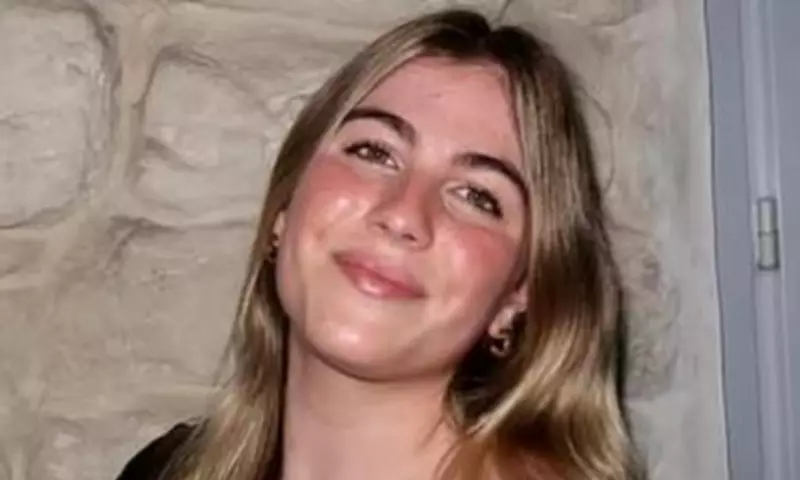
Olivia Ferro, a 26-year-old woman originally from Chicago, United States, faced a harrowing ten-year journey before medical professionals finally diagnosed her with polycystic ovary syndrome, a common hormonal disorder affecting approximately one in ten women of childbearing age. Her ordeal began at the tender age of 14 when she started experiencing severe abdominal cramps and irregular periods, symptoms that were initially dismissed as mere hormonal fluctuations.
A Painful Path to Diagnosis
At 15, a cyst on her ovary ruptured, leading to inflammation of her appendix and necessitating an emergency appendectomy. Following this traumatic event, doctors prescribed the contraceptive pill, which reduced the frequency of ovarian cysts but failed to alleviate her ongoing symptoms, including painful and irregular menstrual cycles, persistent bloating, and inflammation. Despite these clear indicators, it would take nearly a decade for a formal PCOS diagnosis to be made.
The Debilitating Symptoms of PCOS
Polycystic ovary syndrome is characterized by three primary features: irregular ovulation, elevated testosterone levels, and the formation of small fluid-filled sacs on the ovaries. This condition manifests in a range of distressing symptoms such as irregular periods, unexplained weight gain, excessive hair growth, and significant fertility challenges. On average, diagnosis can take between six months and two years, yet millions of women remain unaware they have the disorder, often due to overlooked or minimized complaints.

Ms. Ferro described the profound impact on her daily life, stating, "I couldn't fit into any of my clothes, so that was really hard. You're going out with your friends and you want to look cute. I was never a really big girl but when you're having an inflammatory attack and you can't wear the pair of jeans that you look best in, it definitely affects how you feel for the night and affects your life." She also highlighted the severe pain that forced her to miss school classes and the toll on her mental health, adding, "It affects your mental health a lot too – my body's failing me, and I can't participate in school."
Escalating Health Crises and Misdiagnoses
By age 17, Ms. Ferro's condition worsened, with episodes of severe nausea and vomiting, and her body inexplicably entering septic shock. Her white blood cell count spiked, and she endured chronic stomach pain and fatigue. Despite extensive medical investigations, doctors could not pinpoint the source of the septic infection and instead prescribed medication for irritable bowel syndrome, a common misdiagnosis in such cases.
At 18, after a series of blood tests and cardiac assessments, medical professionals suggested a potential gluten allergy. However, Ms. Ferro continued to struggle with irregular periods, inflammatory attacks, and an inability to lose weight. Standing at 5 feet 4 inches, she maintained a daily exercise regimen, competed as a high school athlete, and adhered to a healthy diet, yet her weight remained stubbornly at around 11 stone 8 pounds (73.4 kilograms).
A Turning Point in London
In 2018, Ms. Ferro pursued university studies in nutrition, communication, and occupational science, but despite her academic focus on health and continued physical activity, her weight persisted unchanged. After relocating from the United States to London in 2024, she co-founded SheMed, a women's health company with her sister Chloe, specializing in GLP-1 medications. Concurrently, her menstrual cycles became even more erratic, bleeding for two weeks at a time with irregular intervals.
Seeking answers, Ms. Ferro underwent private hormone testing and an ultrasound in the UK, presenting the results to her general practitioner. This led to her long-awaited PCOS diagnosis at age 24. Her doctor advised her to discontinue birth control to regulate her hormones and recommended a private prescription for GLP-1 medication.

Life After Diagnosis and Treatment
Since starting GLP-1 treatment in 2025, Ms. Ferro has lost 2 stone 2 pounds (13.6 kilograms), reducing her weight from 11 stone 8 pounds (73.4 kilograms) to 9 stone 6 pounds (59.8 kilograms). She reports that her testosterone levels have normalized, her fertility prospects have improved, and her periods have become more regular. She now aims to maintain her weight and has no plans to cease the medication.
Reflecting on her journey, Ms. Ferro emphasized the importance of patient advocacy, saying, "I think asking questions is important, and push for your own health. In women's health in general, there isn't always a textbook answer to what is wrong – I think people need to start looking at the whole picture."
Medical Insights and NHS Perspective
PCOS often drives weight gain through mechanisms such as insulin resistance, which increases fat storage, disrupts hunger hormones, slows metabolism, and can affect mood, thereby influencing eating and activity patterns. While the NHS does not have specific guidelines for using GLP-1 medications to treat PCOS, it acknowledges that weight loss in overweight women can significantly alleviate symptoms and reduce long-term health risks associated with the condition.
Dr. Sue Mann, NHS national clinical director for women's health, stated, "The NHS offers a range of support for women with polycystic ovary syndrome, including mental health support, weight management and fertility services, and dedicated women's health hubs across the country providing specialist support in communities. We know that for some women with PCOS weight loss and eating a healthy balanced diet can improve symptoms but if you are concerned or have questions, please contact your GP."
This case underscores critical gaps in women's healthcare, where symptoms are often minimized, leading to prolonged suffering and delayed diagnoses. Ms. Ferro's story serves as a powerful reminder of the need for comprehensive, patient-centered approaches in medical practice.