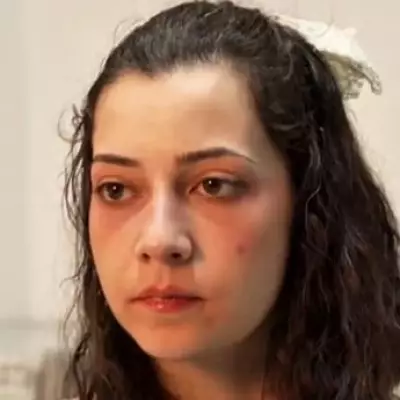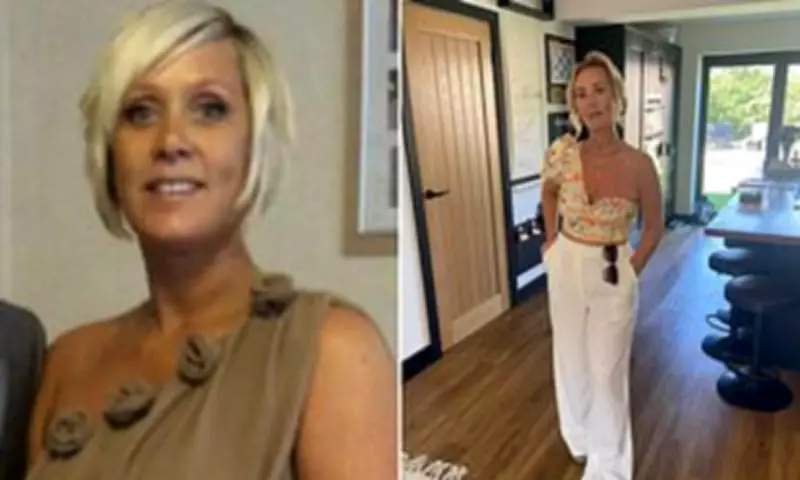
A woman who narrowly escaped death after unknowingly injecting herself with counterfeit Ozempic has come forward to share the alarming warning signs she overlooked in her desperate search for a weight loss solution.
A Desperate Search for a Quick Fix
Michelle Sword, a 47-year-old mother of two from Oxfordshire, first turned to weight loss injections in 2020 after gaining two stone following the breakdown of her two-decade marriage. Initially, she achieved remarkable success with legitimate Ozempic containing semaglutide, purchased from a regulated online pharmacy, shedding two stone within just three months and returning to her regular weight of eight stone.
However, after discontinuing the treatment, Michelle found herself slipping back into unhealthy eating patterns, which she attributed to menopausal changes, and began enjoying a glass of wine with every meal. Alarmed by regaining two and a half stone and feeling she no longer recognised herself, she desperately sought the same medication that had worked before.

The Social Media Trap
Faced with increasing shortages of Ozempic making it difficult to obtain through conventional channels, Michelle turned to Facebook where she discovered a company advertising identical-looking pens at the same price she had previously paid. "I panicked and wanted a quick fix," she admitted, explaining that seeing the injections advertised directly in her Facebook feed made the decision seem straightforward.
She purchased what appeared to be an authentic Ozempic pen for £150 through PayPal, receiving it just two days later. Tragically, within twenty minutes of administering the injection, Michelle lost consciousness.
A Brush with Death
"I remember becoming really unwell and sweaty before everything went black," Michelle recalled of the terrifying experience. Fortunately, her fifteen-year-old daughter was home at the time and immediately contacted Michelle's close friend Vicky, who called emergency services.
Paramedics arrived after a tense twelve-minute wait and rushed Michelle to hospital, where medical professionals battled for over thirty minutes to save her life. Tests revealed her blood sugar had plummeted to a life-threatening 0.2 level, with doctors determining the pen contained not semaglutide but fast-acting insulin typically used to treat diabetes.
"I was virtually on the brink of death," Michelle remembered. "I was essentially in a diabetic coma and could have died." She remained hospitalised overnight until her blood sugar stabilised, vowing never to touch such injections again following her harrowing ordeal.
Warning Others About Counterfeit Dangers
Now determined to prevent others from falling victim to similar scams, Michelle is speaking out about the risks of purchasing medications online from unverified sources. "It's absolutely disgusting there are people out there who prey on people's insecurities," she stated, criticising social media platforms for enabling such dangerous practices through targeted advertisements and links to dubious websites.
She emphasised that legitimate weight loss medications always require proper prescriptions and medical consultations, urging anyone considering such treatments to consult healthcare professionals rather than seeking shortcuts online. "Being skinny isn't worth dying for," she warned poignantly.
Recognising the Red Flags
Reflecting on her experience, Michelle identified several clear indicators that should have alerted her to the counterfeit nature of the medication:
- No eligibility or health checks were required before purchase, which should always raise immediate concerns.
- Payment was requested through unofficial channels like direct bank transfers rather than secure, regulated payment systems.
- The suspiciously low price compared to legitimate sources should have signalled that the offer was too good to be true.
- The packaging contained spelling errors and instructions in different languages, clear markers of counterfeit products.
Michelle admitted feeling "stupid" and "fooled" by the experience, noting that purchasing medication should never be as simple as shopping on mainstream e-commerce platforms.

A Growing Public Health Concern
This alarming incident coincides with concerning data from the Medicines and Healthcare products Regulatory Agency (MHRA), which seized over 6,500 counterfeit pens in the UK during a recent two-year period. Ahsan Bhatti, pharmacist and owner of UK online pharmacy Quick Meds, expressed deep concern about these figures, warning that falsified injections pose serious health risks.
"These non-compliant injectables are a genuine risk to patient safety," Bhatti explained, highlighting the impossibility of verifying their manufacturing standards, storage conditions, or even correct dosage. He stressed that the only safe way to obtain GLP-1 medications like Ozempic is through registered, regulated pharmacy providers, strongly advising against purchasing from social media platforms, messaging apps, or unverified websites.
Bhatti urged anyone suspecting counterfeit medication sales to report them immediately through the MHRA's Yellow Card scheme, emphasising that the potential consequences of injecting unidentified substances into the body simply aren't worth any perceived benefits.