Health Secretary Wes Streeting has launched a comprehensive new 10-year national cancer plan for England, aiming to transform the detection and treatment of the disease across the country. The strategy, unveiled by Mr Streeting, who is a cancer survivor himself, sets out ambitious goals to improve outcomes for patients and reduce the burden of cancer on the NHS.
Early Detection Through Innovative Testing
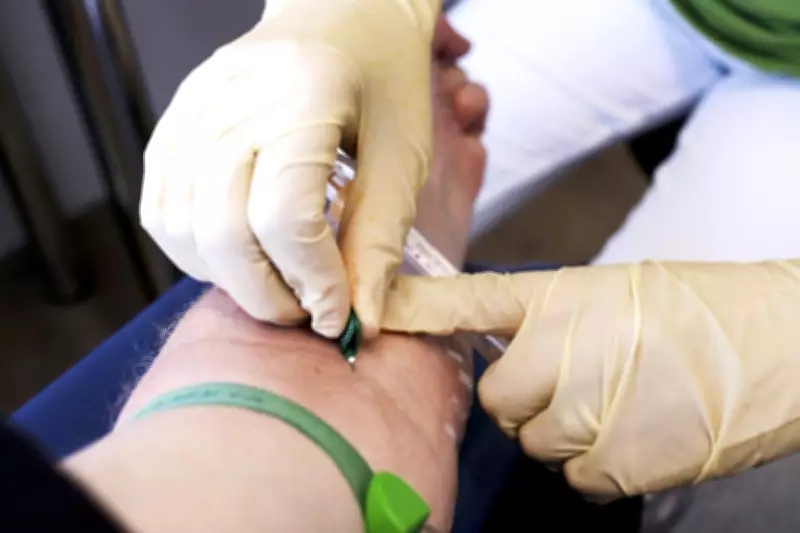
The plan proposes the widespread implementation of blood, urine, and saliva tests designed to detect over 50 different types of cancer before symptoms even begin to appear. These tests could potentially become integrated into national screening programmes within the next decade, offering a proactive approach to cancer care that could save countless lives through early intervention.
Meeting Waiting Time Targets
A key commitment of the strategy is to ensure that all cancer waiting time targets are met by March 2029. This includes a specific aim for 80 per cent of patients to receive either a diagnosis or an all-clear within 28 days of an urgent referral from their GP, addressing current delays and improving patient experience and outcomes.

Personalised Treatments and Cancer Vaccines
The plan also focuses on advancing personalised cancer treatments, accelerating the development and deployment of cancer vaccines, and providing every patient with a bespoke personal cancer plan tailored to their individual needs. This personalised approach aims to enhance treatment efficacy and patient satisfaction.
Emphasis on Prevention and Digital Management
In addition to detection and treatment, the strategy places a strong emphasis on cancer prevention initiatives. It plans to leverage the NHS app for better management of cancer care, allowing patients to monitor their health and appointments digitally. The plan also aims to improve hospital performance in delivering cancer services, ensuring consistent and high-quality care nationwide.
Mr Streeting, who lost a friend to cancer, highlighted the personal significance of this plan, stating that it represents a critical step forward in the fight against the disease. The government's commitment to this long-term strategy underscores a dedicated effort to reduce cancer mortality and improve the overall health landscape in England.