
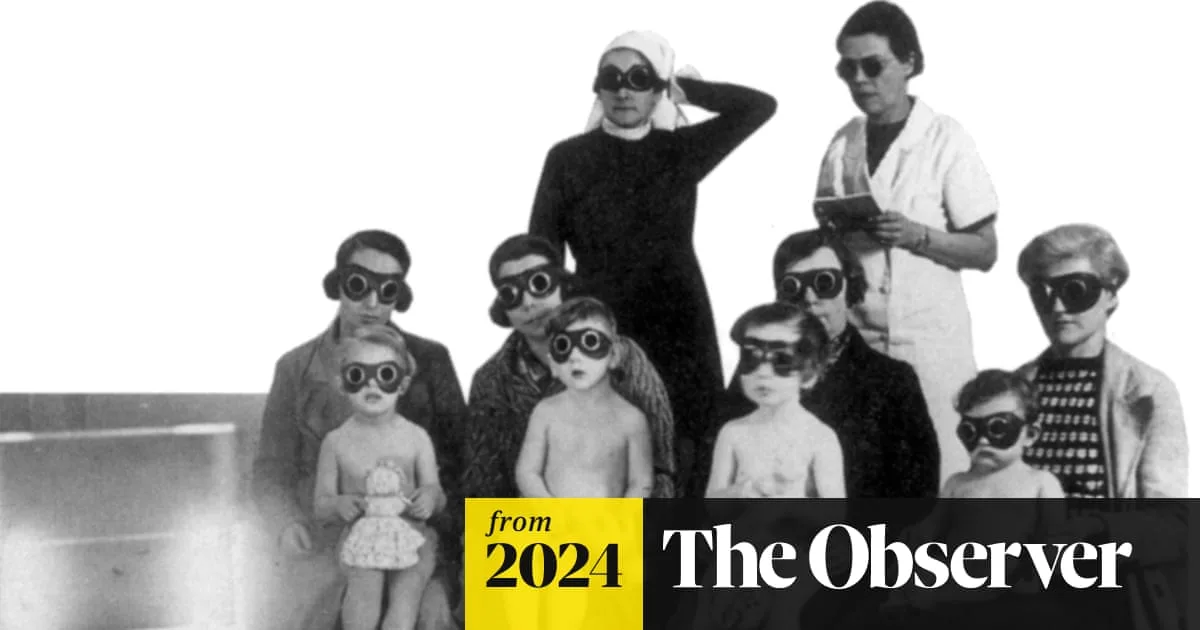
Cases of Victorian-era diseases such as scabies, rickets, and scurvy are rising sharply in the UK, alarming health experts who link the resurgence to poverty and public health cuts. Scabies, a parasitic skin infection, is now at three cases per 100,000 people in England, double the five-year average, with rates reaching six per 100,000 in the worst-affected northern regions. Dr Farzana Hussain, a GP in east London, reports that entire families are now presenting with the condition, which causes intense itching.
Hospital admissions for rickets—caused by vitamin D deficiency—reached 423 in 2022, while scurvy, linked to vitamin C deficiency, affected 188 patients. Both conditions are seen as markers of malnutrition, with hospital admissions for malnutrition now at 10,000 per year, four times the level of 12 years ago. Dr Clare Gerada, former president of the Royal College of GPs, warns the UK is 'going back to the Victorian era'.
Sir Michael Marmot, director of the Institute of Health Equity at University College London, attributes the rise to the cost-of-living crisis and decade-long cuts to social services and public health. According to the Joseph Rowntree Foundation, 14.4 million Britons—one in five—were living in poverty in 2021-22, with 6 million in 'very deep' poverty. Children in deprived areas are twice as likely to die from infections as those in affluent areas, and excess deaths in the most deprived areas were nearly 11,000 higher in 2020.
Measles cases have also surged, with 1,603 suspected cases in 2023, more than four times the 2021 figure. Sexually transmitted diseases are rising too: gonorrhoea cases hit 82,592 in 2022, the highest since records began in 1918, and syphilis reached 8,692, the highest since 1948. While increased testing during the pandemic may account for some of the rise, experts say the scale suggests more infections in the community.
The Local Government Association reports that sexual health clinics conducted 4.5 million consultations in 2022, a third more than in 2013, but frontline services have faced cuts. The UK Health Security Agency warns that without action, these trends could worsen, highlighting the urgent need to address poverty and restore public health funding.




