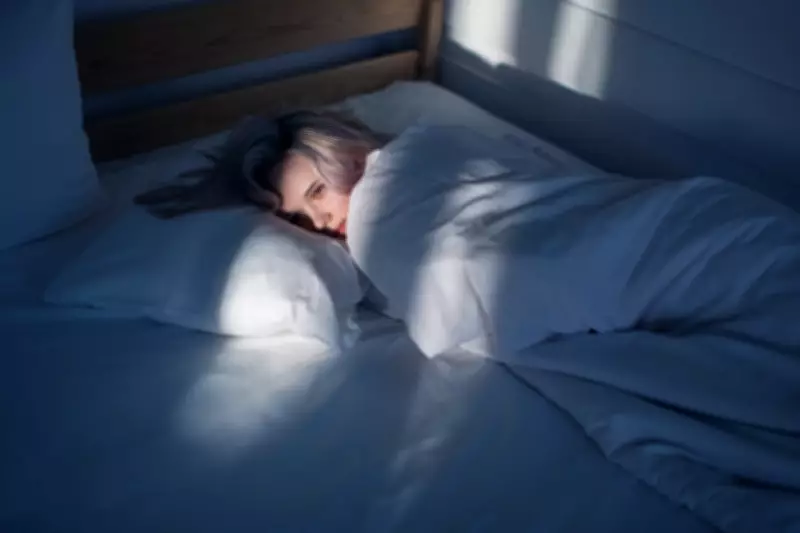
A recent study from the University of Minnesota School of Public Health reveals that teenagers in the United States are sleeping less than ever before, with record-low sleep levels reported across all age groups.
Declining Sleep Trends
The findings, published in the journal Pediatrics, show a consistent decline in sleep duration over the past decades. According to the latest data, only 22% of older adolescents reported sleeping at least seven hours per night.
Rachel Widome, lead author of the study and a professor at the University of Minnesota School of Public Health, noted that some barriers to sleep have persisted across generations, such as increased homework, extracurricular demands, social pressures, and jobs. However, new challenges have emerged in recent years, including ever-present screens, social media, and societal stressors like the pandemic, social unrest, and militarized policing.

Growing Disparities
The study also highlights widening gaps in sleep outcomes. Black and Latino teens, as well as adolescents whose parents have lower levels of education, are increasingly less likely to get adequate sleep compared to their peers. The impact is most pronounced among older adolescents, as sleep time steadily declines with age, and both sleep duration and feelings of sufficient rest drop significantly from early to late adolescence.
Researchers analyzed data from Monitoring the Future, a national survey representing over 400,000 US students in grades eight, ten, and twelve from 1991 to 2023. Participants answered questions about how often they slept at least seven hours per night and how often they felt they got enough rest.
Consequences of Sleep Deprivation
Insufficient sleep contributes to daily exhaustion and impaired functioning, and is linked to long-term issues such as mental health problems, academic difficulties, and chronic illnesses in adulthood. While increased screen time may seem like an obvious cause, the root issue may be deeper feelings of social isolation and burnout.
Recent research from Aim Ideas Lab, led by high school students, found that roughly two-thirds of California teens reported experiencing burnout and anxiety. The same study suggested that about a quarter of students believe they have only enough time to meet basic needs—such as sleep, eating, and hygiene—two days a week or less.
Jolie Delja, executive director of Aim Youth Mental Health, stated that respondents linked this to relentless academic pressure. "They asked for time to slow down, and the chance to learn and practice coping skills like breathing and mindfulness during calm moments, not just crisis ones," Delja said. "Schools and communities do not need to invent entirely new solutions. They need to give students more time and space for the people, activities, and coping tools that already help them manage stress, including getting more sleep."
Benefits of Adequate Sleep
Studies have shown that teens who go to bed earlier and sleep longer than their peers tend to have sharper mental skills and perform better on cognitive tests. Despite the challenges, researchers emphasize that a nation of sleep-deprived adolescents is not inevitable.
Widome and her colleagues suggest broader structural approaches, such as delaying high school start times to 8:30 a.m. or later. "Earlier starts are in direct conflict with preset rhythms of adolescent circadian biology," Widome said. "We should embrace a culture of sleep, where sleep is actually valued and where we commit to enacting policies and other interventions that promote healthy sleep for everyone."