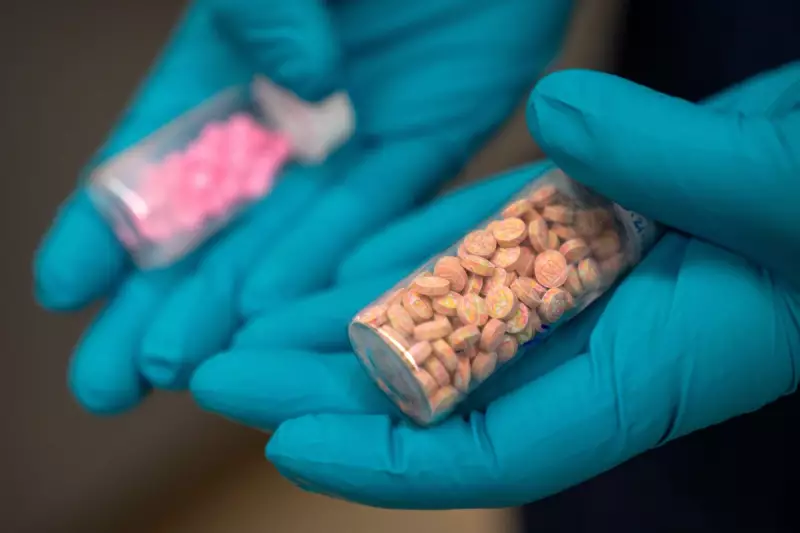
New federal data indicates a significant and sustained improvement in the United States' long-running overdose epidemic, with deaths falling for more than two years in the longest decline recorded in decades.
A Historic Downturn in a Decades-Long Crisis
Figures released by the US Centers for Disease Control and Prevention (CDC) show an estimated 73,000 people died from drug overdoses in the 12 months leading to August 2025. This represents a substantial 21% decrease from the 92,000 deaths recorded in the previous 12-month period. The decline follows a peak of nearly 110,000 fatalities in 2022.
Brandon Marshall, a researcher at Brown University who studies overdose trends, described the data as "encouraging," noting declines were seen in 45 states. The only states not showing a drop were Arizona, Hawaii, Kansas, New Mexico, and North Dakota, though officials cautioned that reporting delays could affect these counts.

This continuing trend marks the most prolonged period of improvement since the epidemic began its relentless climb in the 1990s, initially driven by prescription opioid painkillers, then heroin, and more recently, illicit synthetic fentanyl.
Unravelling the Reasons Behind the Drop
Researchers cannot yet pinpoint a single cause for the encouraging figures, but several compelling theories have emerged. Experts point to the wider availability of the overdose-reversal drug naloxone, expanded addiction treatment services, and the growing impact of billions of dollars from opioid lawsuit settlements.
Some also suggest the pool of people at risk is shrinking, as fewer teenagers initiate drug use and many long-term users have succumbed to earlier overdoses.
Two recent academic studies propose additional, interconnected explanations. A paper in the journal Science from the University of Maryland points to potential regulatory changes in China around 2023 that may have restricted the supply of precursor chemicals used to manufacture fentanyl. This could have made the drug harder to produce and less potent, a theory supported by US Drug Enforcement Administration data showing a drop in fentanyl purity after 2022.
The Stimulus Theory and Future Uncertainties
Separate research from the University of Pittsburgh, published in the International Journal of Drug Policy, suggests a link between COVID-19 pandemic stimulus payments and overdose trends. The researchers tracked surges in deaths following the three rounds of direct payments to US households in 2020 and 2021. They argue the end of this financial support may help explain why overdoses stabilised in 2022 and then began to fall.
Dr. Daniel Ciccarone, a drug policy expert at the University of California, San Francisco, acknowledged both theories have merit but cautioned the reality is likely more complex, with multiple factors layering on top of one another.
Looking ahead, researchers have raised questions about whether policies under the Trump administration could affect this positive momentum. They speculate that strained US-China relations might lead China to ease its policing of fentanyl precursors. Furthermore, promises of new direct payments to Americans could, according to Pittsburgh's Dr. Donald Burke, risk some drug users splurging and overdosing, urging careful consideration of how such funds are disbursed.
While the monthly death toll remains higher than pre-pandemic levels, the consecutive annual declines offer a rare note of hope in a public health crisis that has claimed hundreds of thousands of lives over decades.