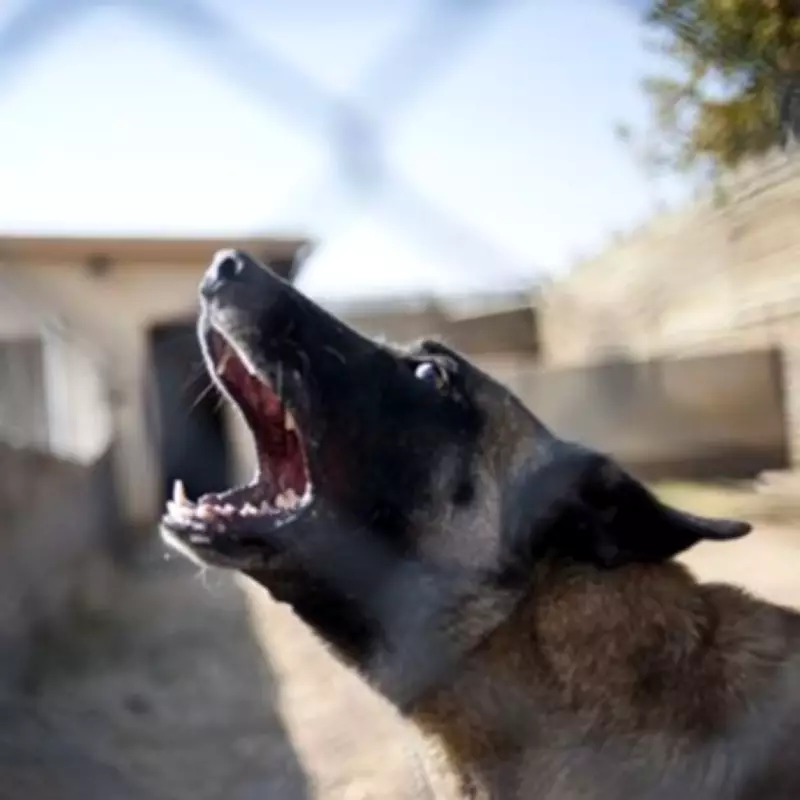
A comprehensive new study has identified the dog breeds considered the most dangerous in Britain, evaluating key characteristics such as physical strength, power, and protective instincts. Specialists at Puppies.co.uk have emphasised that a dog's environment, training, and socialisation are fundamental factors that significantly influence its behaviour and temperament.
Understanding the Factors Behind Dangerous Dogs
The experts stated: "When it comes to identifying dangerous dogs, there are numerous factors that come into play, including how the dog was raised and trained, their living conditions, and past experiences. When selecting a breed to welcome into your home and family, it is crucial to consider the breed's original purpose and the natural temperament of the breed as a whole, as well as the temperament of the parent dogs."
Top 10 Most Dangerous Dog Breeds in the UK
Below are the top 10 breeds featured in the rankings, along with the reasons they are deemed higher risk. Notably, the XL Bully does not appear on this list, highlighting that other breeds pose greater concerns based on the criteria assessed.


- American Pit Bull Terriers: With proper socialisation and training, Pit Bulls are known for their loving nature and affectionate behaviour. However, they were originally bred for dogfighting, making aggression a key trait. Weighing 15–30 kg, they have muscular builds and powerful jaws, with a lethal bite style where they hold and shake, refusing to let go. Due to unprovoked attacks, Pit Bulls have been banned in the UK since 1991.
- Argentinian Mastiff: Extremely powerful dogs with white coats and athletic builds, weighing 35-45 kg. Bred to hunt big game, they are naturally fearless and protective, leading to bans in several countries, including the UK, due to their aggressive nature.
- Akita: Weighing around 30 kg, Akitas are strong-willed and independent, often showing aggression toward strangers and unfamiliar dogs. With large heads and powerful jaws, they can be protective, requiring proper training and an experienced owner to manage their dominant nature.
- Caucasian Shepherd: Massive dogs weighing up to 100 kg, bred to protect livestock. They are courageous but can become ferocious and unmanageable if not trained correctly, defending their home and family from strangers without hesitation.
- German Shepherd: Praised for high intelligence and loyalty, German Shepherds have well-muscled builds and can weigh up to 40 kg. They can exhibit behaviour mistaken for aggression and become extremely protective of loved ones, necessitating focus on training and socialisation.
- Rottweiler: Originally bred as working and guard dogs, Rottweilers are naturally protective of their families and wary of strangers. Their temperament ranges from affectionate to reserved, and they may bark in unfamiliar situations, requiring careful handling.
- Siberian Husky: Working dogs with wolf-like appearances, strength, and high energy levels. While usually friendly, they can be aggressive if not properly socialised and trained, with a high prey drive that makes them dangerous to smaller animals.
- Doberman: Popular for loyalty and intelligence, Dobermans were bred as guard dogs and are often trained by police and armed forces. Weighing up to 45 kg, they require professional training to ensure they are manageable and do not perceive unfamiliar people as threats.
- Chow Chow: Large, bear-like dogs with thick coats, originally from China. Typically aloof, strong-willed, and independent, Chow Chows have been known to turn on their owners and dislike strangers. They need consistent, assertive leadership to prevent aggression.
- Boxer: Considered upbeat and friendly, Boxers were originally bred as guard dogs, making them fiercely loyal and protective. Weighing up to 32 kg with high energy levels, they have powerful bites and require early socialisation and training to channel their playful nature appropriately.
Key Takeaways for Dog Owners
The rankings underscore that while breed traits play a role, factors like training, socialisation, and responsible ownership are critical in mitigating risks. Experts advise prospective owners to thoroughly research breeds, consider their lifestyle, and commit to ongoing education and care to ensure safe and harmonious relationships with their pets.